32 hr
Wahiba Sands & Wadi Bani Khalid Desert Adventure
- Expert local guide
- Small group
- Skip-the-line access
- Free cancellation
Desert Safari Oman — Wahiba Sands Dune Tours & Desert Camps
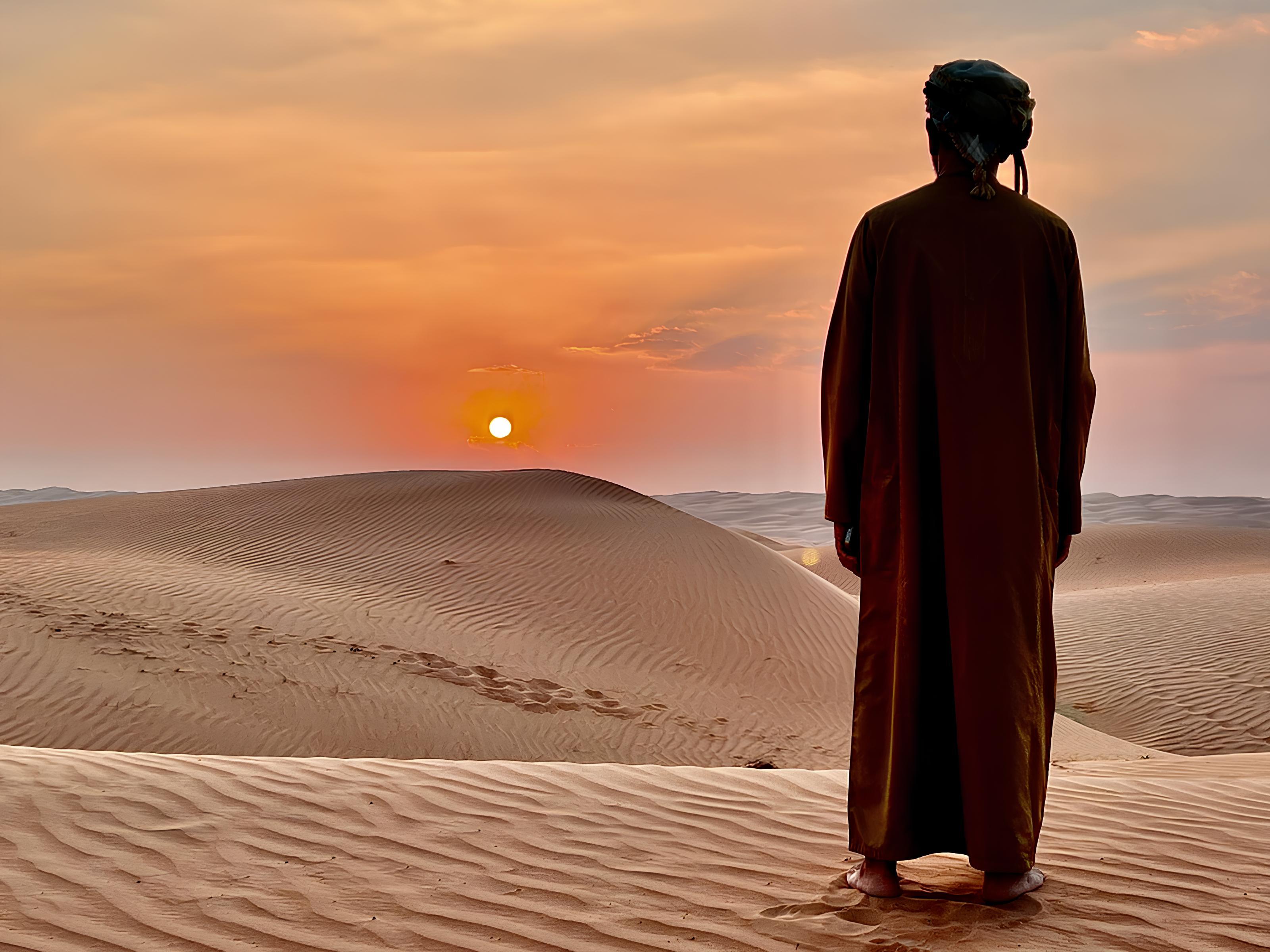
Where ochre ridges meet endless horizons, Bedouin routes trace the Sharqiya.
Compare fares, pick the fit — all bookings are mobile-voucher and eligible for free cancellation where shown.
32 hr
3 hr
10 hr
| Experience | Duration | Rating | Transfers | Pickup | Small group | Free cancel. | Price | |
|---|---|---|---|---|---|---|---|---|
|
Guided Experience
Most popular
Wahiba Sands & Wadi Bani Khalid Desert Adventure
|
32 hr | ★ 4.8 | ✓ | ✓ | ✓ | ✓ | €114 | Book → |
|
Standard Entry
Wadi Shab Canyon & Bimmah Sinkhole Adventure from Muscat
|
3 hr | ★ 4.8 | ✓ | — | ✓ | ✓ | $40 | Book → |
|
Guided Experience
Wahiba Sands Desert & Wadi Bani Khalid Oasis Adventure
|
10 hr | ★ 4.8 | — | ✓ | ✓ | ✓ | $130 | Book → |
Wahiba Sands provides an accessible, immersive experience, whereas the Empty Quarter offers unmatched, remote desert isolation for those seeking a true expedition. Choosing the right desert safari oman tour depends on whether you prioritize convenience or raw, expansive wilderness.
|
Top pick Wahiba Sands |
Empty Quarter | |
|---|---|---|
| Accessibility from Muscat | 3–4 hours by road | 10–12 hours by road |
| Typical trip duration | 1–2 days | 3–5 days |
| Landscape variety | Diverse dunes and flora | Vast, uniform sand mountains |
| Required vehicle type | 4x4 essential | Advanced 4x4 convoy required |
| Infrastructure density | Multiple camps and lodges | Almost none; remote camping only |
| See tickets & prices |
Verdict: Opt for these desert safari oman tours if you seek cultural engagement and ease, but reserve the Empty Quarter for when you require complete seclusion amidst the dunes.
Hand-picked experiences loved by thousands of travelers
9 hours
Free Cancellation
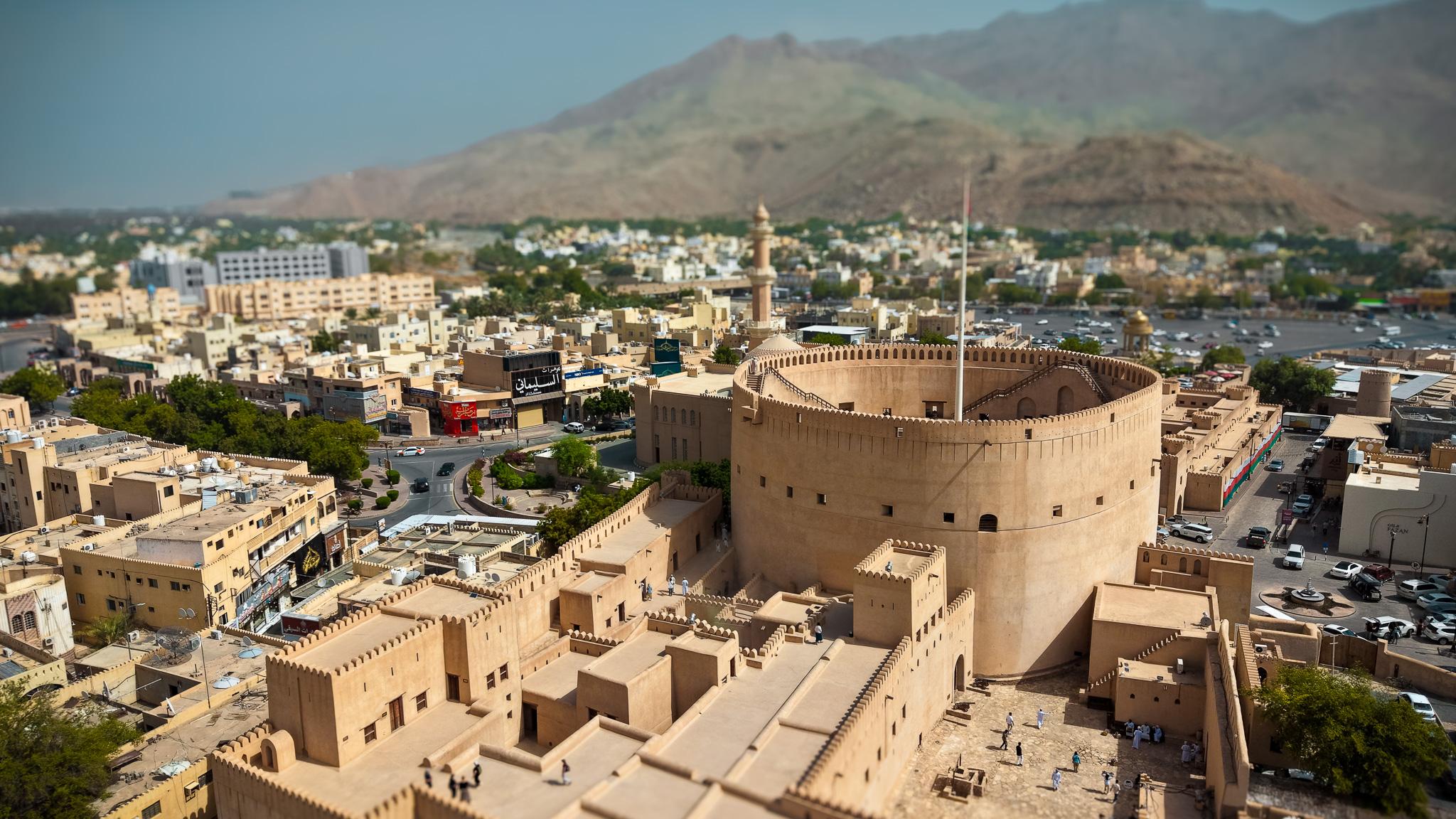
Journey through Oman's mountains to explore historic forts, vibrant souqs, terraced gardens, and ancient villages
10 hours
Free Cancellation
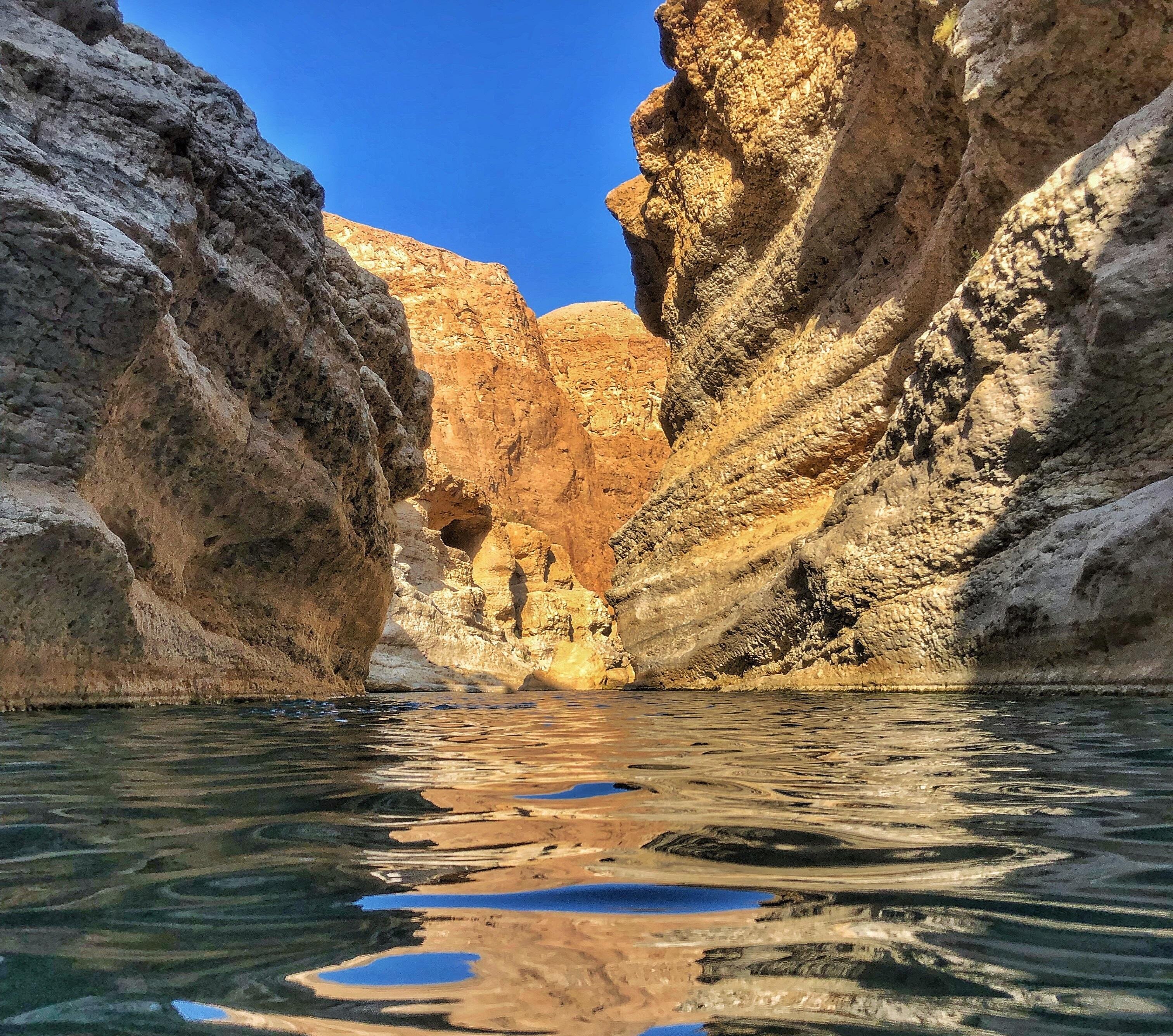
Drive golden dunes, swim in turquoise pools, and explore ancient Omani villages on this full-day 4WD journey
3 hours
Free Cancellation
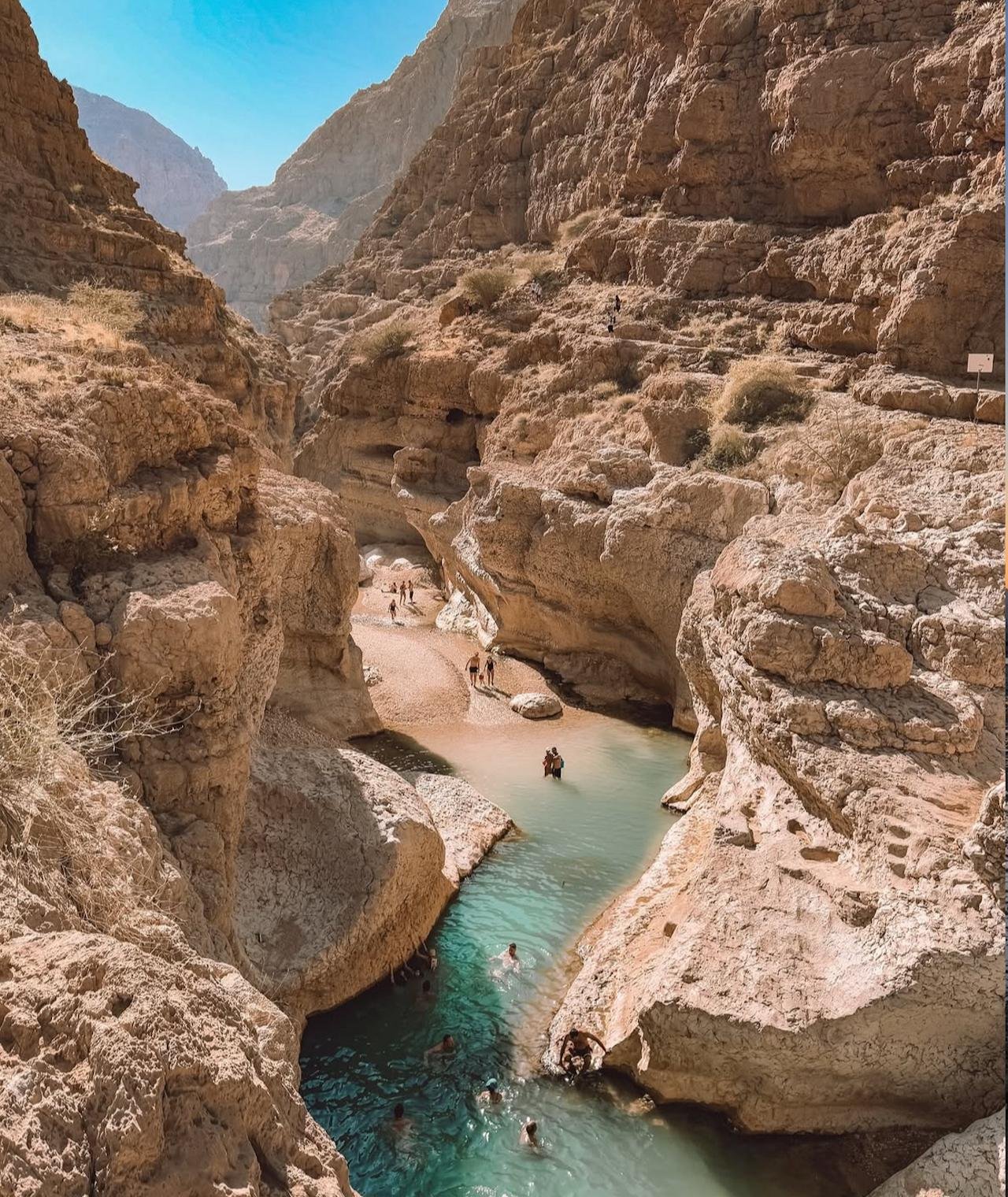
Hike dramatic canyon trails, swim to secret waterfall caves, and explore a turquoise sinkhole
1 hour
Free Cancellation
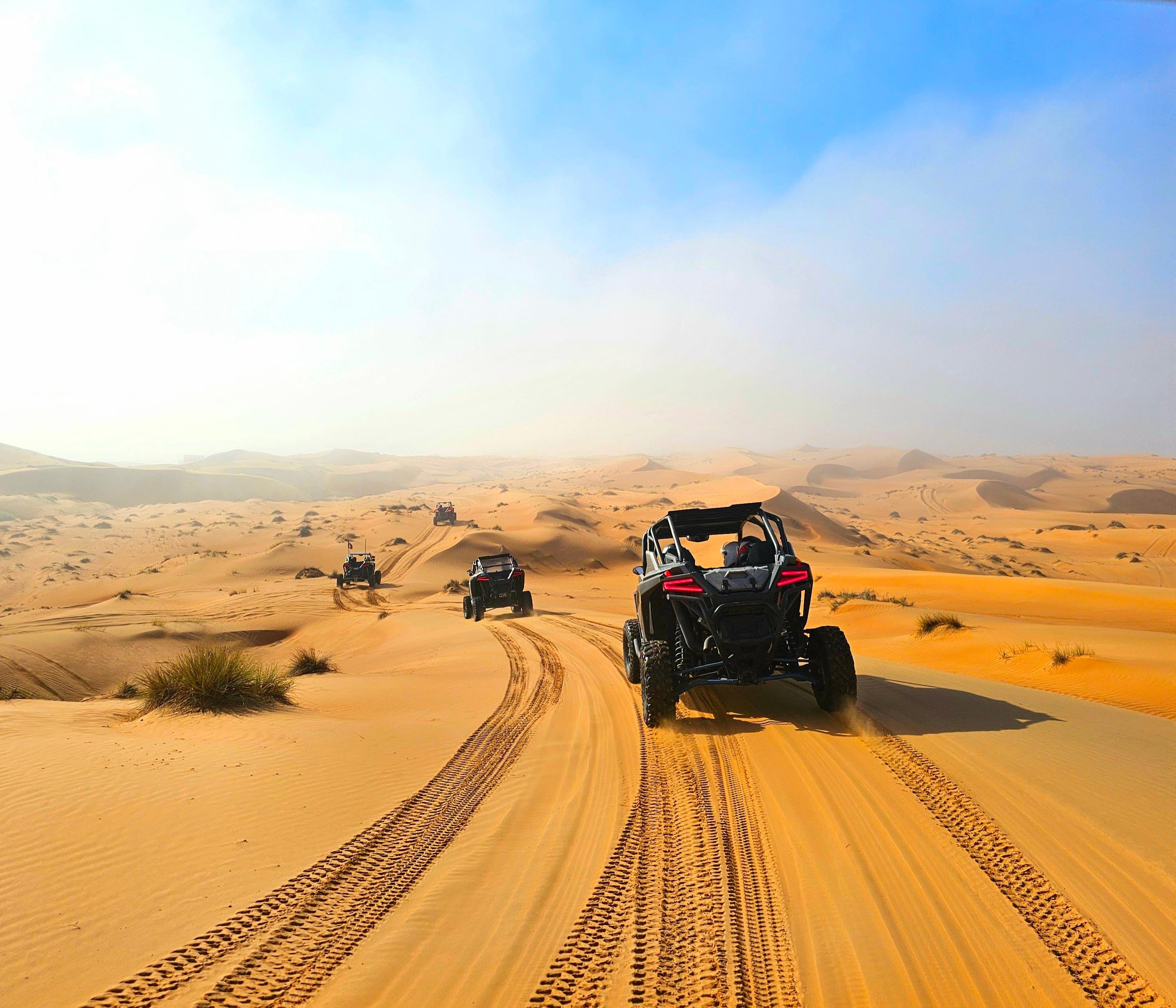
Take the wheel of a premium buggy and carve your own path across Oman's legendary desert dunes
8 hours
Free Cancellation
Explore Oman's iconic desert with dune activities, Bedouin hospitality, and a breathtaking sunset view
10 hours
Free Cancellation
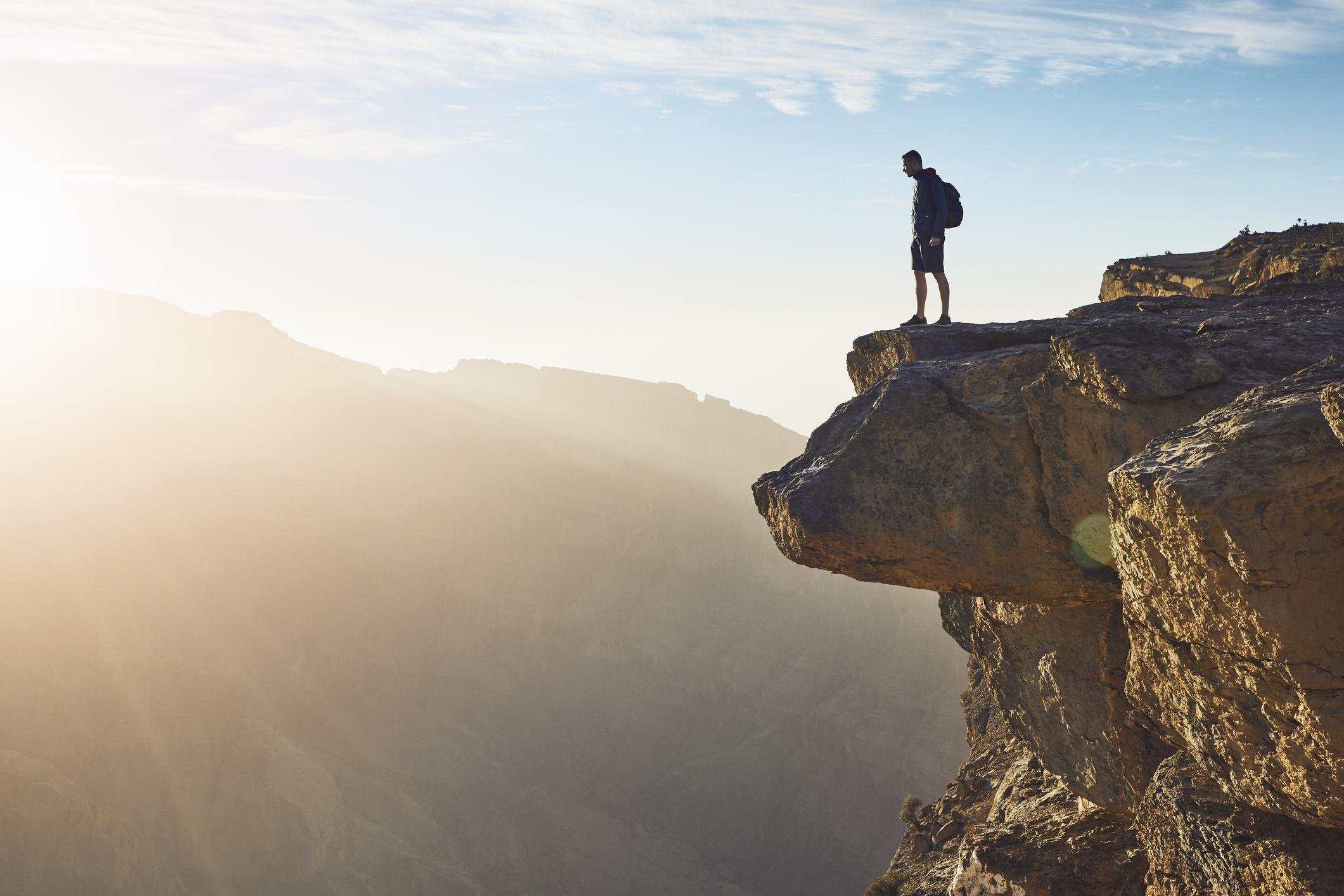
Journey to Oman's historic heart and its dramatic canyon rim on a full-day 4x4 expedition
8 hours
Free Cancellation
Experience golden dunes at sunset, visit exotic wildlife, and savor dinner beneath desert stars
9 hours
Free Cancellation
Experience thrilling dune bashing and swim in turquoise oasis pools on this full-day Omani adventure
You leave the Muscat–Sur highway at Ibra, trading asphalt for graded dirt as the Hajar foothills recede behind you. Forty minutes later, the first dune rises—a 90-metre ridge blocking the southern horizon.
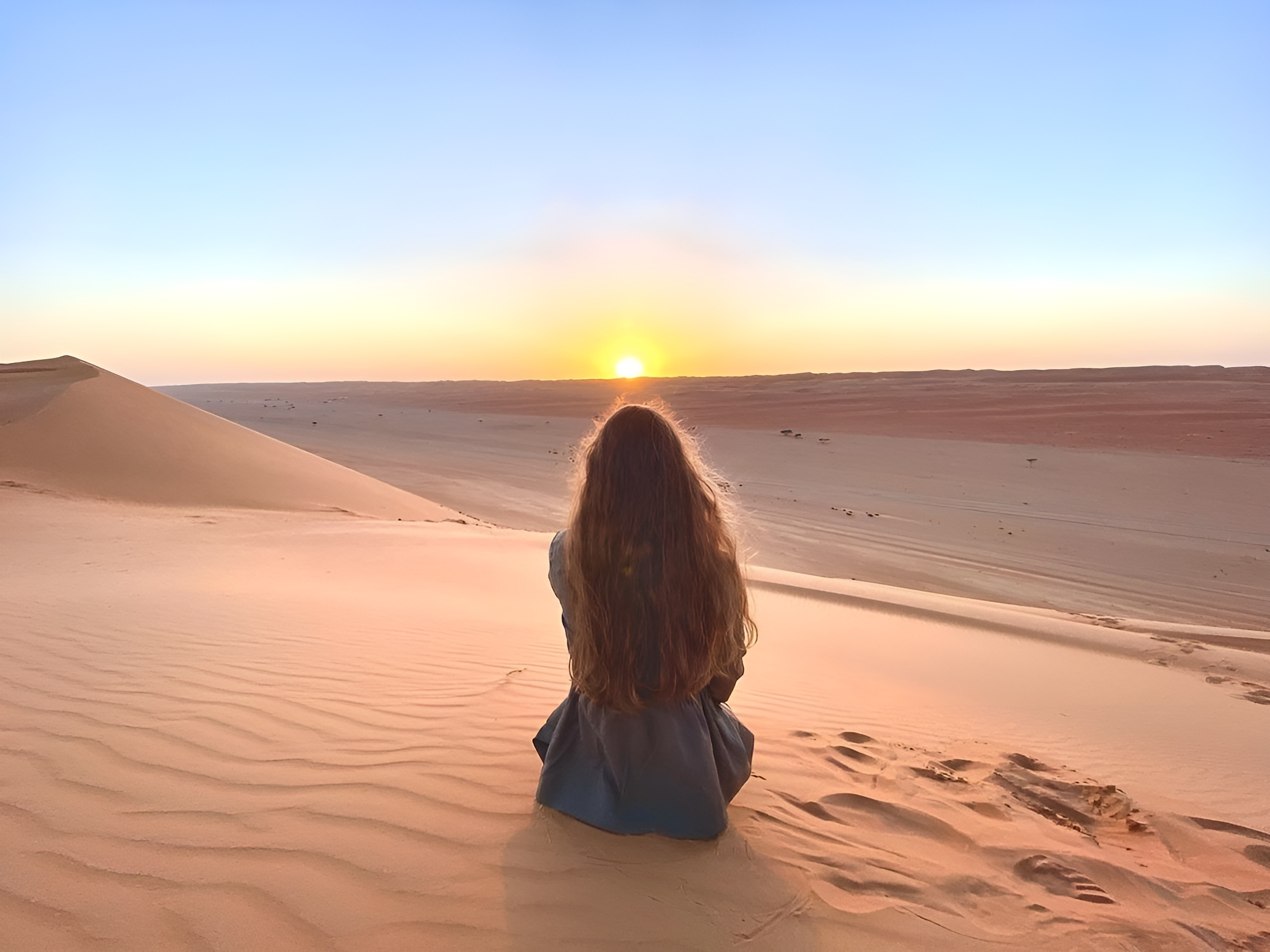
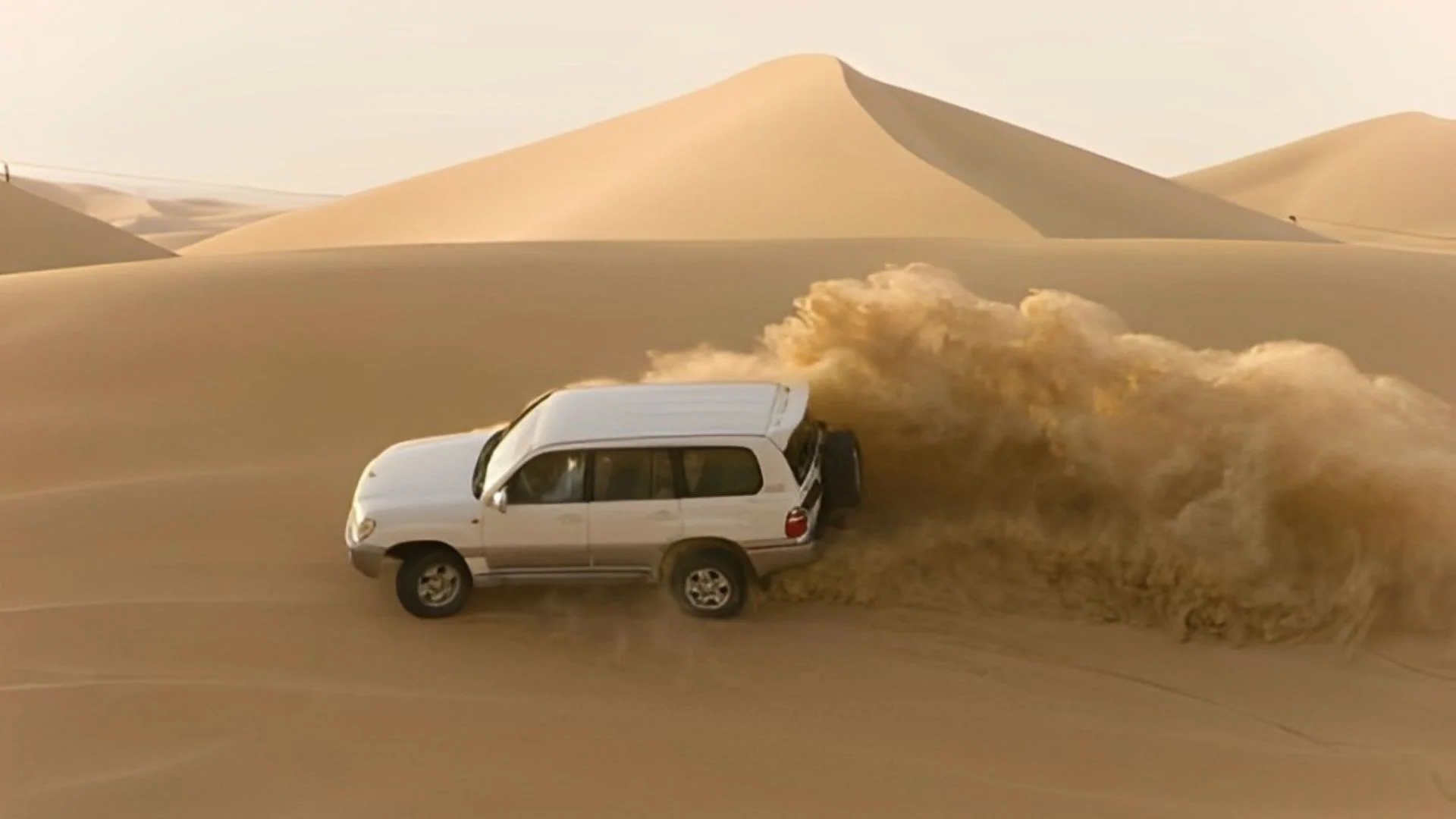
Your driver deflates the tyres to 12 psi, and the four-wheel-drive climbs the western face in second gear, sand hissing beneath the chassis. At the crest, the Sharqiya unfolds: parallel ridges marching east, their flanks carved into scalloped patterns by yesterday's wind.
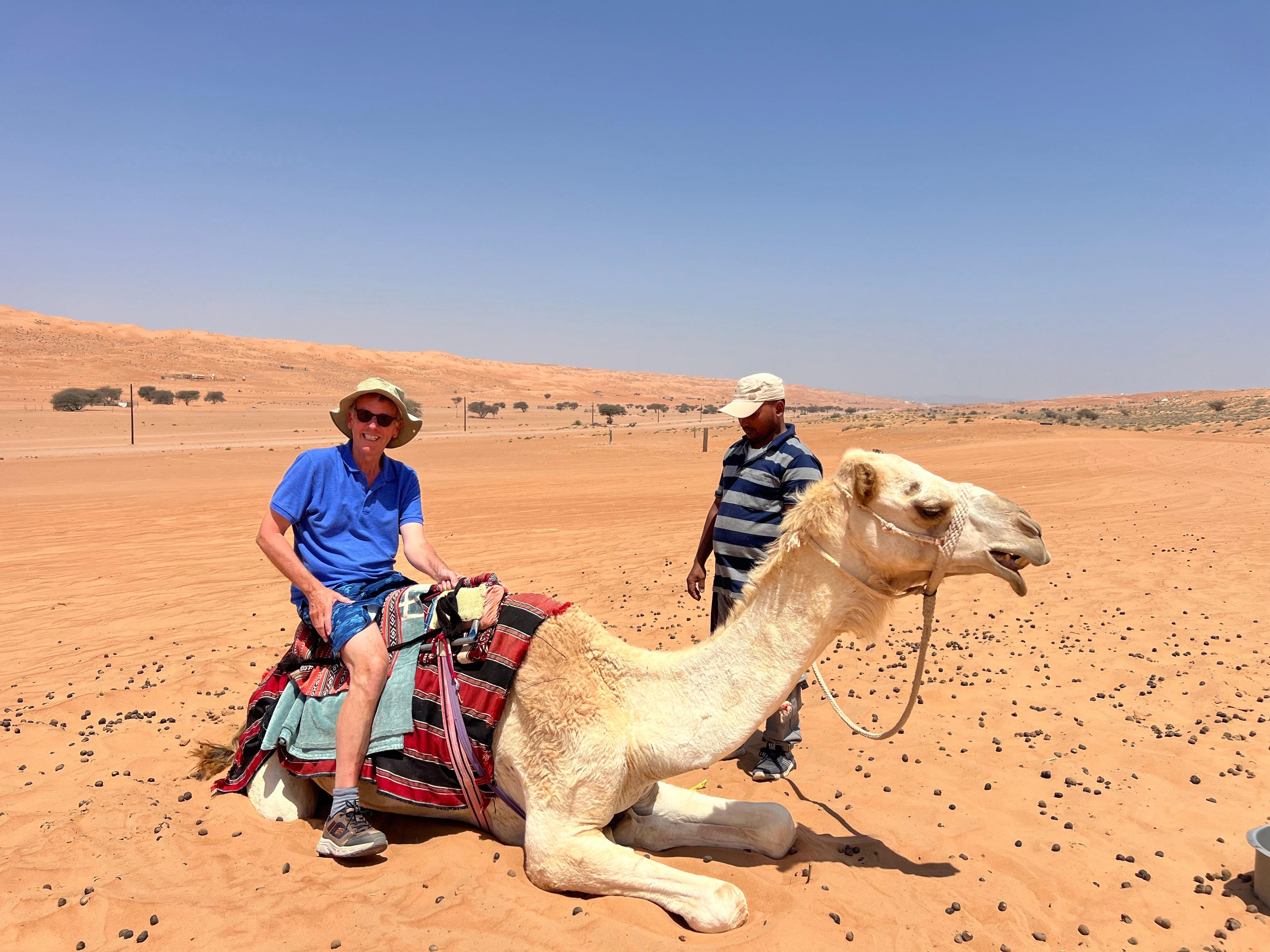
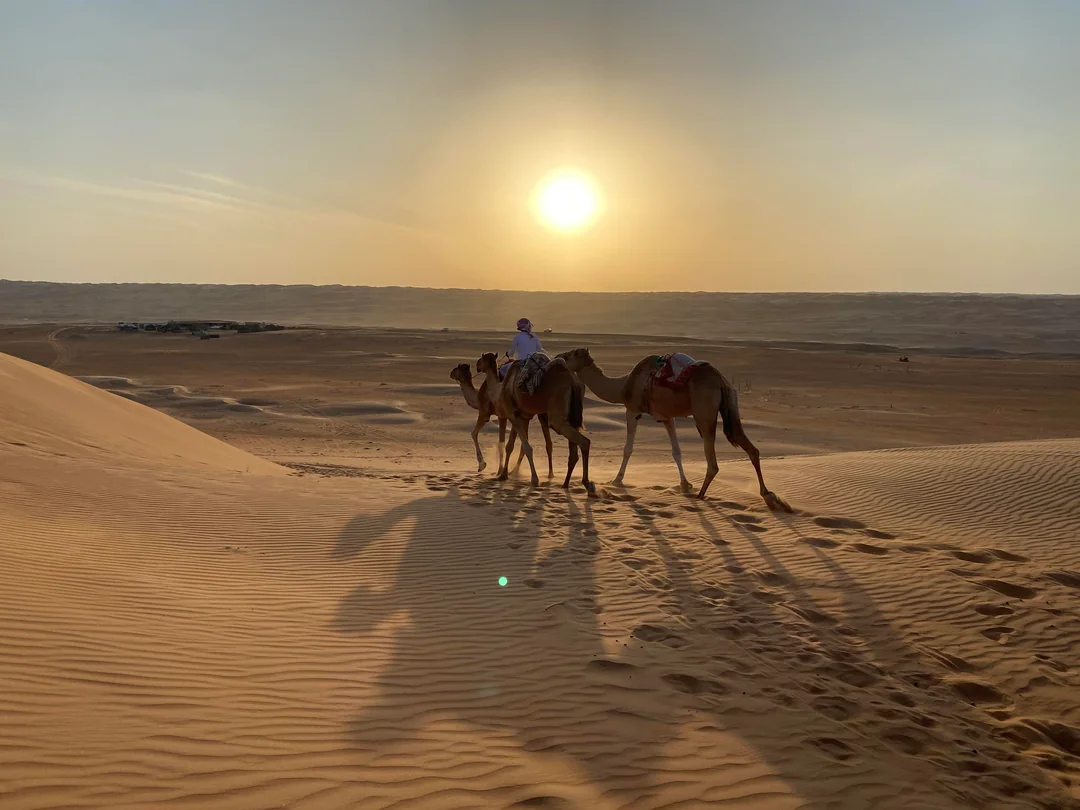
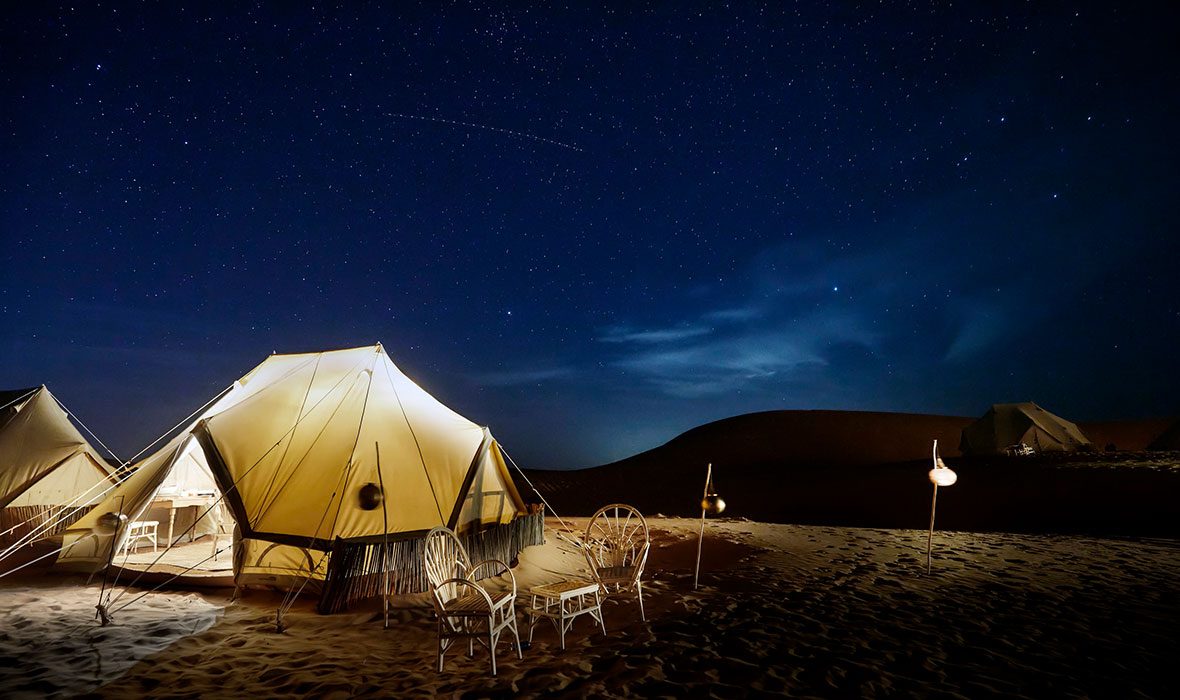
You descend into a trough, the engine note dropping as the vehicle ploughs through loose sand. Mid-afternoon light renders the dunes monochrome; wait until 5 p.m., and the ochre deepens to burnt umber. If you've opted for a camel safari Oman add-on, the animals wait near a fixed camp—white canvas tents staked in a bowl sheltered from crosswinds. The Bedouin guide offers cardamom coffee, then leads you up a slip face on foot. At the summit, 120 metres above the camp, the only sound is sand grains cascading downslope, a soft static that continues until dark.
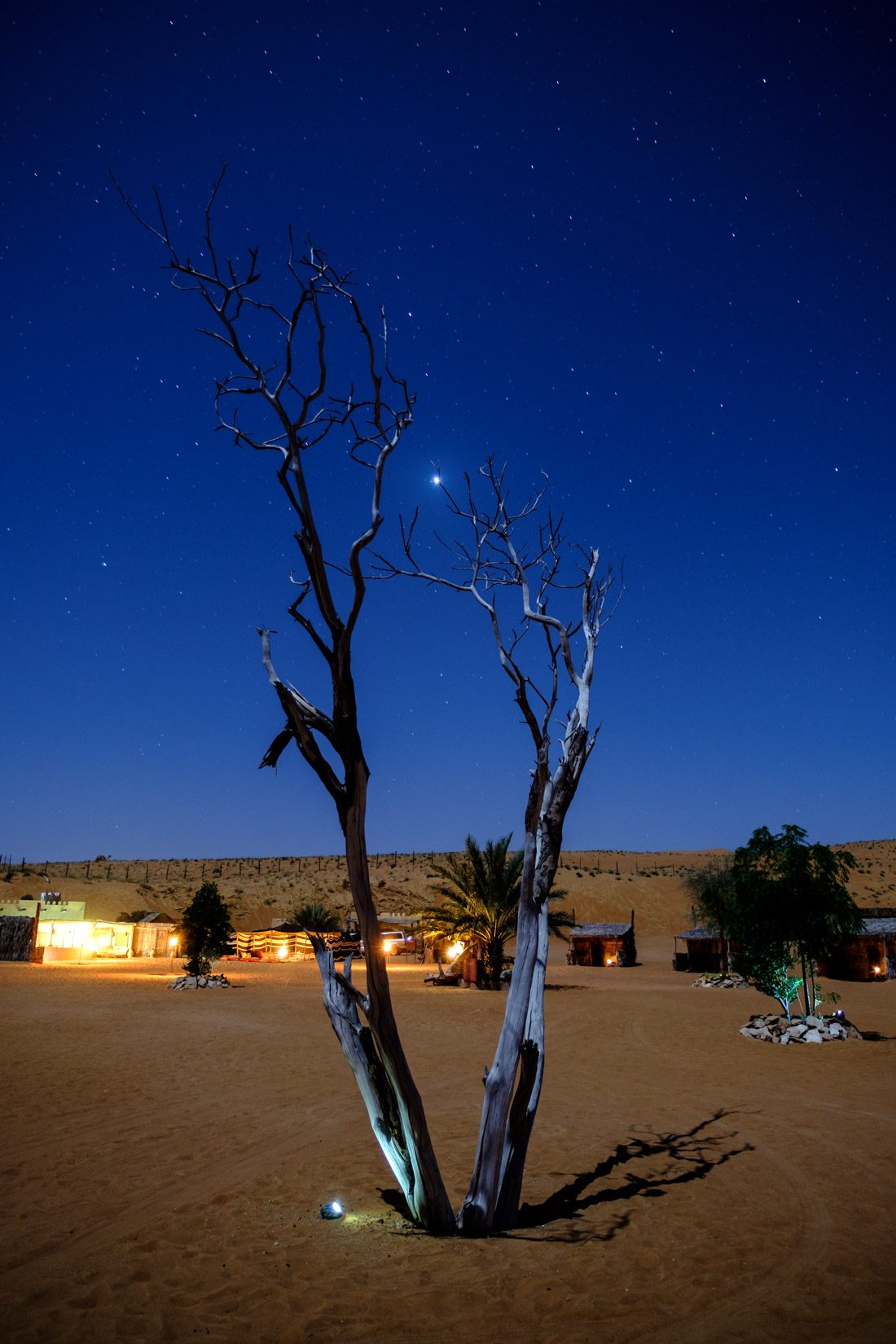
After sunset, the temperature drops ten degrees in an hour. You return to find a fire pit lit, dinner grilling over acacia coals. The Milky Way emerges stripe by stripe, brighter than any city sky you remember.
All the details about your upcoming adventure in one place
A desert safari oman experience takes you into the vast dunes of Wahiba Sands, where Bedouin culture meets striking arid landscapes. These Omani desert excursions combine 4x4 dune bashing, camel encounters, and visits to traditional camps, offering insight into life among the rolling sand formations. Desert safari oman tours operate year-round, with cooler months providing the most comfortable conditions for exploring this iconic wilderness.
Wahiba Sands spans 12,500 square kilometres of unbroken dune systems, rising to 150 metres along ridgelines that shift five to ten metres annually under seasonal winds.
The Sharqiya basin, known locally as Ramlat al-Wahiba, owes its name to the Bani Wahiba tribe, semi-nomadic herders who have navigated these corridors for seven centuries. By the late 1980s, scientific expeditions catalogued 16,000 invertebrate species, 200 plant varieties adapted to hyper-aridity, and migratory bird routes linking the Empty Quarter to the Hajar foothills. Today, a desert safari Oman itinerary through Wahiba Sands offers regulated access to this ecological zone, balancing Bedouin land-use traditions with low-impact tourism protocols introduced in 2009.
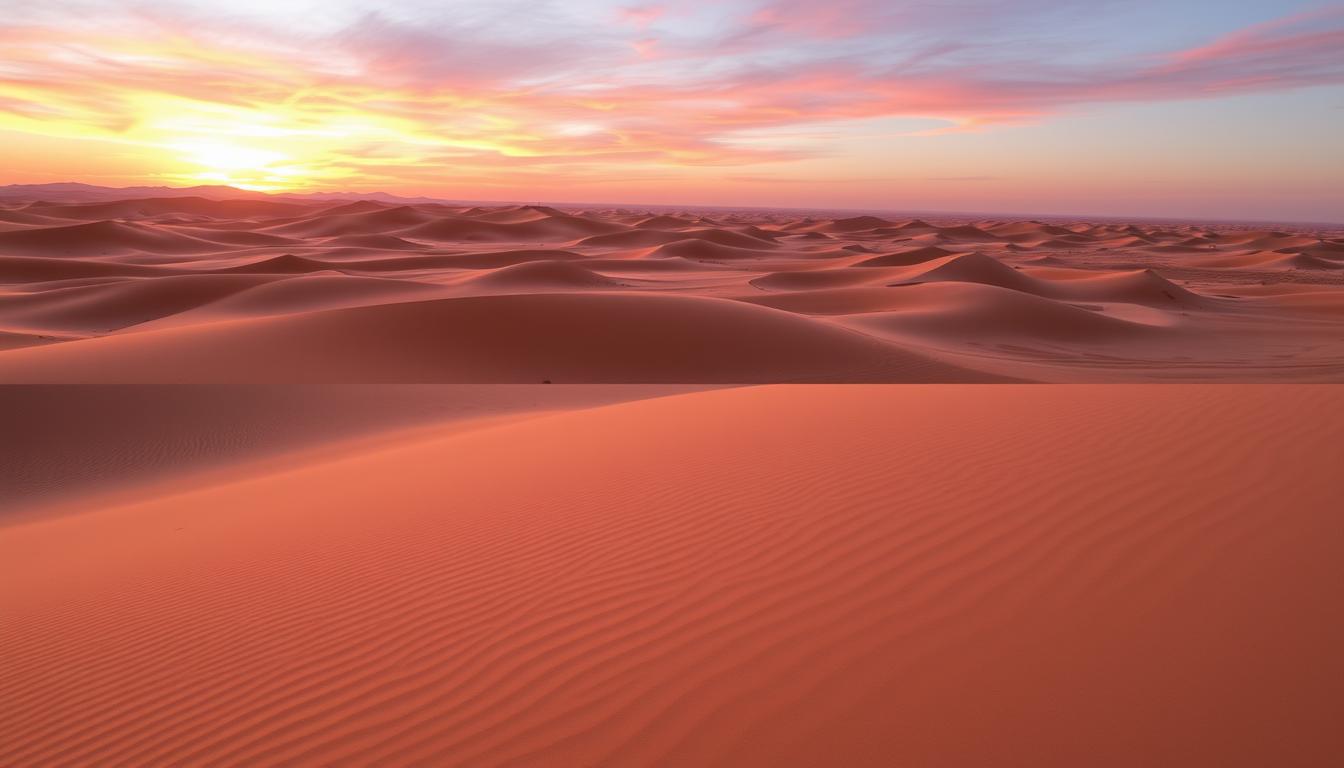
The dunes exhibit three distinct colour bands—pale gold in northern exposures, burnt sienna along central ridges, and rust-orange in southern valleys—each reflecting iron-oxide concentration and wind-polished quartz grains. This chromatic variation, most visible during the hour before sunset, has made Wahiba Sands a benchmark for aeolian geomorphology studies. Private desert camp Oman operators, licensed under the Ministry of Heritage and Tourism since 2015, maintain fixed-site camps at the eastern edge of the sand sea, minimising ecological footprint while offering overnight stays in traditional goat-hair tents. Most desert safari Oman packages from Muscat follow the Ibra–Mintrib route, a 160-kilometre drive that transitions from limestone plateaus to open dune fields within two hours.
Unlike the Empty Quarter's remote vastness, Wahiba Sands remains accessible year-round, with summer temperatures reaching 48°C and winter nights dropping to 12°C. The ecosystem supports Arabian oryx reintroduction sites, monitored since 1982, and seasonal grazing by Bedouin herds trailing falaj-fed water sources along the western fringe. For visitors seeking sensory immersion rather than manufactured adventure, desert tour Oman itineraries here prioritise silence, star visibility, and the slow mathematics of dune migration. The sand is free to enter; the experience, when curated with care, costs only attention.
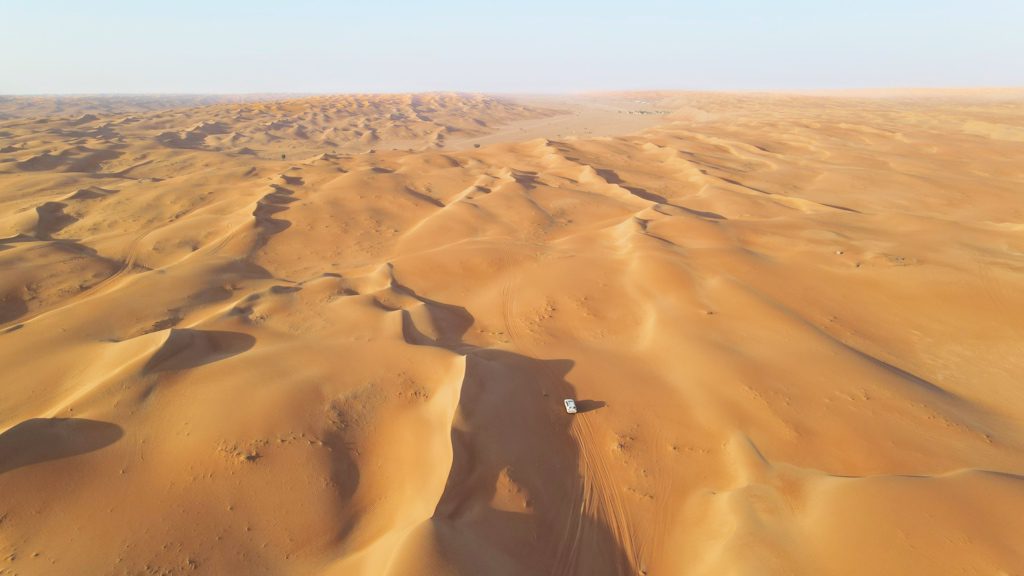
The dunes shift five to ten metres annually under seasonal winds, rewriting the landscape with patient mathematics.
Dress for comfort and weather. No specific dress code applies.
Bags are subject to security screening. Large suitcases and oversized backpacks are typically not permitted.
Personal photography is permitted. Flash, tripods, drones, and professional equipment require permission.
Family-friendly. Strollers are welcome in most experiences; baby carriers recommended for busy sites.
Step-free access is available at most experiences. Check individual tickets for specific accessibility notes.
On-site food and beverage options are typically available. Outside food is usually not permitted indoors.
Duration
4-6 hours
Opening hours
09:30 – 18:00
Getting there
City-center access via metro and bus
Accessibility
Most experiences are wheelchair-friendly — check individual tours
What to bring
Comfortable shoes, water, phone for mobile voucher
Cancellation terms vary by ticket type and partner. Each ticket option lists its specific cancellation window and refund policy.
Recommended time
4-6 hours for day visits, 24 hours for overnight stays
Visitors planning a desert safari oman should aim to arrive between 15:00–17:00 to escape the intense heat while ensuring soft light for dune exploration. Most travelers find that a half-day duration is sufficient for a 4x4 excursion, whereas those seeking a deeper experience with desert safari oman tours often book overnight camps to witness the stargazing conditions. While there are no entrance fees at Wahiba Sands, Ash Sharqiyah Region, Oman, you can easily secure desert safari oman tickets for private excursions to navigate the shifting sands safely.
Crowd levels through the day
The Wahiba Sands, known locally as Sharqiya Sands, have served as the ancestral homeland of the Bedouin tribes for over a millennium. The Al Wahiba tribe, from which the region derives its name, established seasonal migration routes across these dunes as early as the ninth century, moving livestock between grazing areas and relying on scattered wells fed by underground aquifers. These nomadic communities developed intricate knowledge of wind patterns, star navigation, and desert ecology that allowed them to thrive in one of Arabia's harshest environments. Their traditional black goat-hair tents and date palm groves at oasis settlements remain visible throughout the sand sea today. Scientific interest in the region intensified in 1986 when the Royal Geographical Society launched a comprehensive expedition to document the desert's unique geological and biological features. The eighteen-month study catalogued over 150 plant species, 200 invertebrate species, and sixteen distinct mammal populations, including the Arabian oryx and sand cat. Researchers discovered that the sand sea's north-south orientation creates microclimates supporting unexpected biodiversity. The expedition's findings established Wahiba Sands as a critical ecological zone and prompted conservation discussions that continue to shape land management policies. The transformation into a destination for desert safari Oman tours began gradually in the early 1990s, when Bedouin families started offering guided camel treks to visiting researchers and adventurous travellers. By 2003, the Ministry of Tourism formally recognized the area's potential, designating it a protected zone while permitting sustainable tourism development. Traditional camps evolved into hospitality ventures, with families like the Bedu of Ibra pioneering the model of cultural immersion experiences. Today, desert safari Oman operations balance commercial activity with ecological stewardship, employing GPS-guided routes to minimize dune degradation and partnering with conservation groups monitoring the fragile desert ecosystem.
Al Wahiba tribe establishes seasonal migration patterns across the sand sea.
Royal Geographical Society conducts eighteen-month ecological and geological survey.
Bedouin families begin offering guided camel treks to researchers and visitors.
Ministry of Tourism designates Wahiba Sands a protected zone permitting sustainable tourism.
Traditional camps transition into hospitality ventures offering cultural immersion programs.
Desert safari oman tickets support conservation partnerships monitoring ecosystem health.
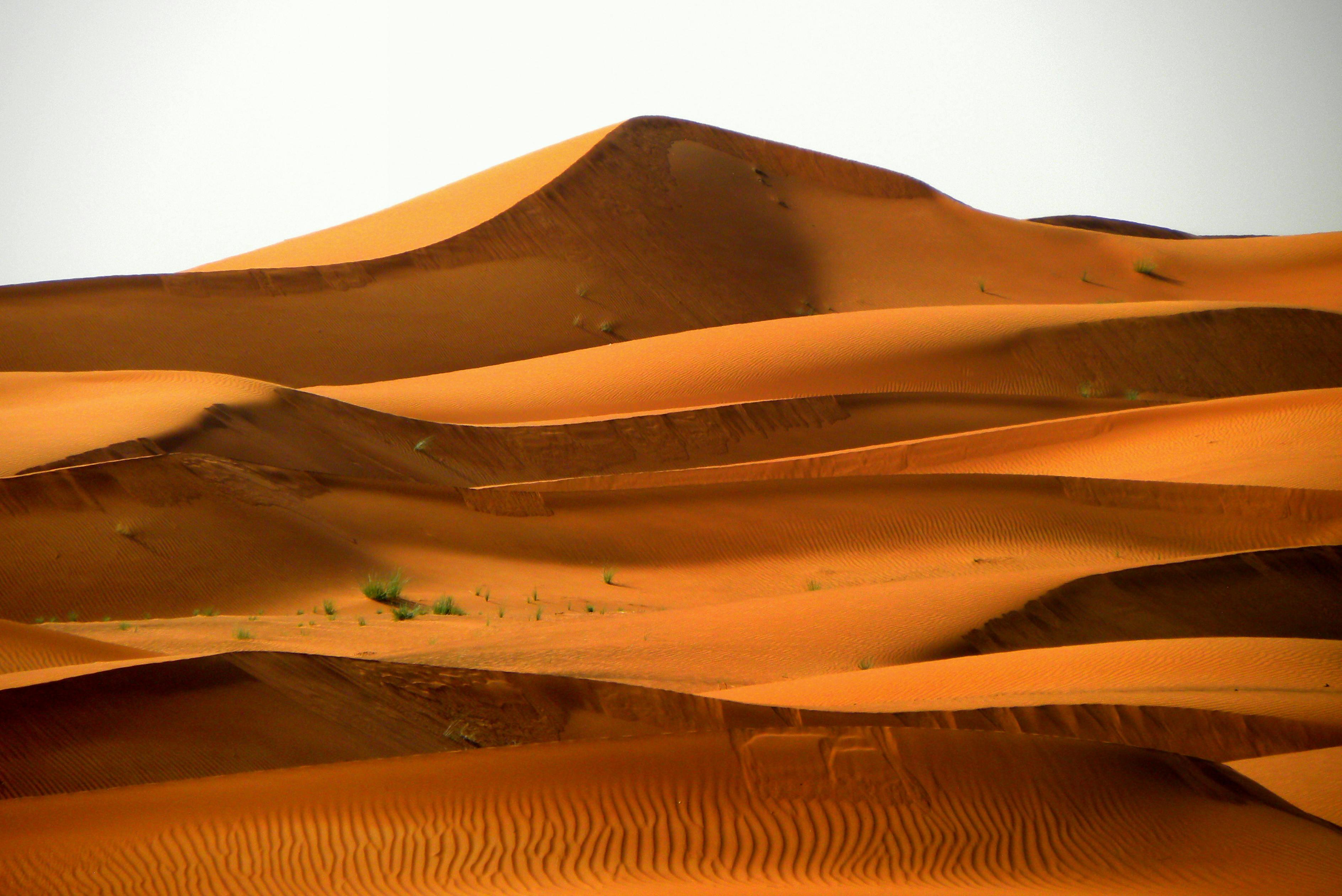
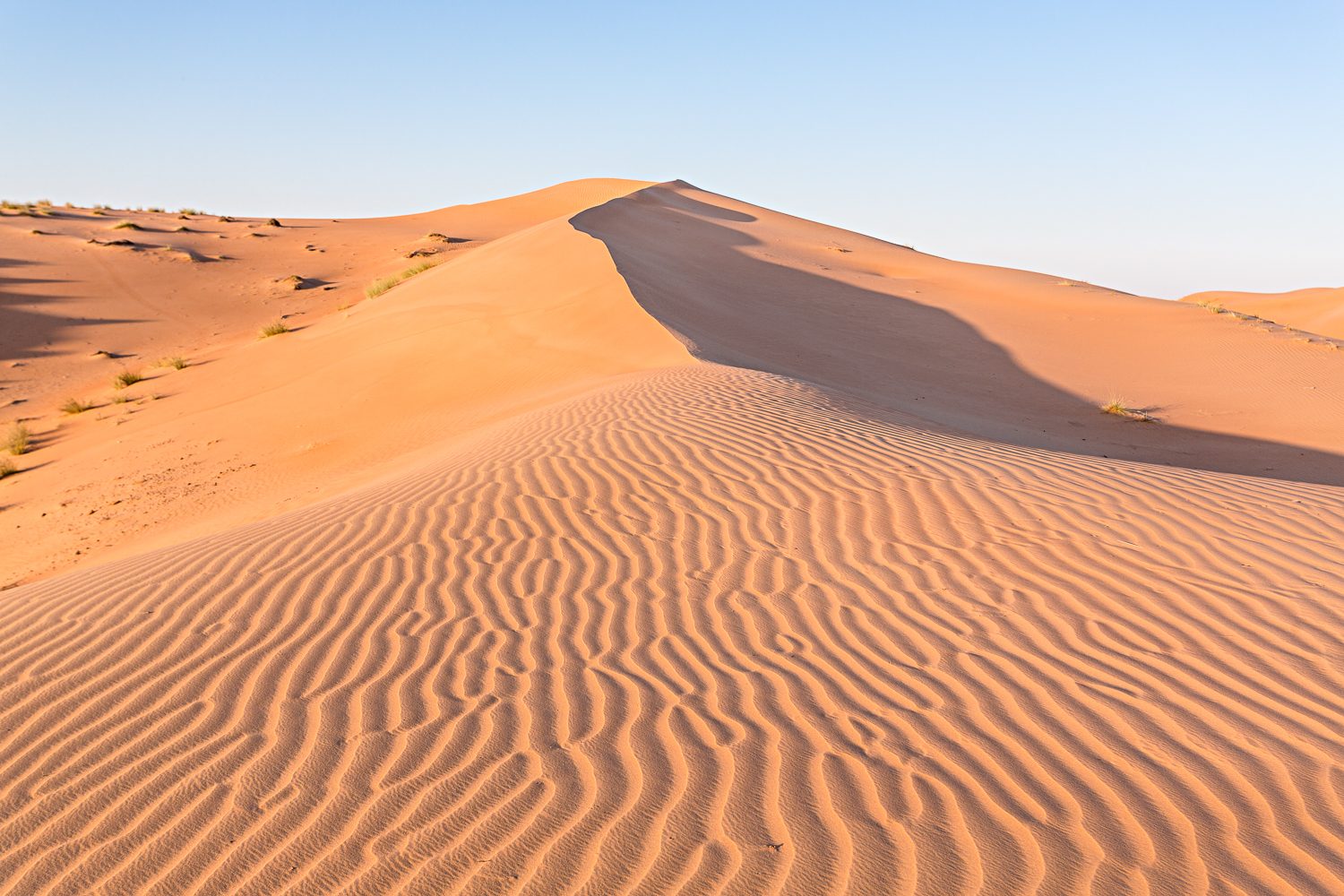
Stand on the crest of the tallest sand formations to capture the sweeping golden undulations of the landscape. This vantage point provides a clear view for a desert safari oman composition where shadows emphasize the texture of the orange sand.
Position your camera low near the traditional fire pit to contrast the warm glow of the embers against the dark, vast horizon. This spot offers a unique perspective for those booking desert safari oman tours who want to capture the essence of nomadic evening life.
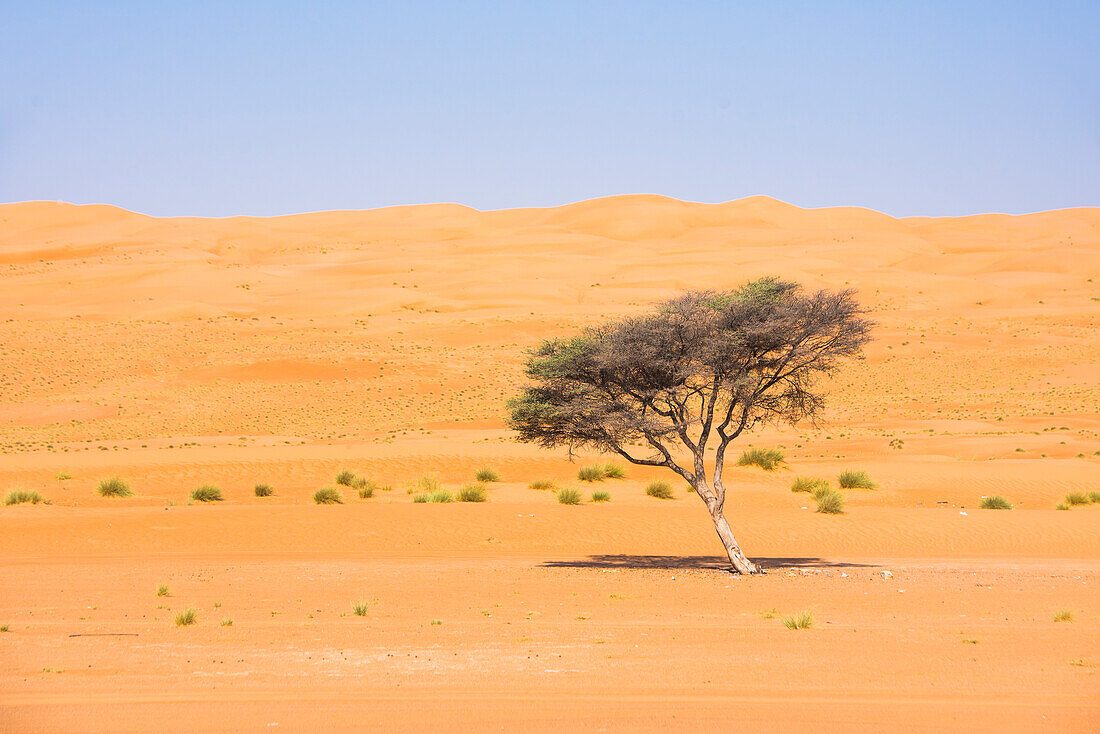
Find these solitary trees scattered amidst the dunes to create a sense of scale and natural depth in your landscape shots. Using these organic elements creates a distinct visual anchor for a desert safari oman tour participant looking for something beyond typical sand dunes.
Walk along the spine of the primary dunes to photograph the sharp contrast between the light-filled faces and deep shadow sides of the formation. This location is ideal for desert safari oman tickets holders who seek to experiment with minimalist patterns and lines.
Planning a desert safari oman excursion with children requires careful attention to the environment and gear. While the vast dunes offer space for exploration, parents must prepare for sun exposure and temperature fluctuations in this unique landscape.
Standard strollers are ineffective in deep sand, so bring a high-quality baby carrier for infants. Many desert safari oman tours can provide 4x4 vehicles, but you must ensure car seats are requested in advance if needed.
Children aged six and older typically manage the heat and vehicle travel better, making them ideal participants for a desert safari oman tour. Younger children may find the long drives and lack of shade challenging.
Most camps lack specialized baby-change facilities, so pack a portable changing mat and sufficient supplies in your day bag. You may want to book private desert safari oman tickets to secure a tent with en-suite bathrooms for easier management of family hygiene.
The best arrival window is 15:00–17:00, which allows children to avoid the harshest midday sun while still having time to play on the dunes before dusk. Keep activities brief and prioritize rest during the peak heat hours.
The arid climate requires constant hydration, so carry more water than you expect to consume. Electrolyte powders and light, long-sleeved clothing help protect children from the intense sun during these sand dune excursions.
Real experiences from real travelers
Our guide navigated the dunes expertly during the late afternoon session. The camp dinner featured grilled meats and fresh bread baked in sand. Temperature dropped quickly after sunset so bring layers.
The convoy maintained good spacing between vehicles throughout the drive. Our desert safari Oman adventure included a stop to photograph camel herds near the eastern edge of the sands. Sunset timing was ideal.
Camp staff demonstrated traditional coffee preparation and explained the significance of dates in Bedouin hospitality. The evening sky revealed constellations rarely visible from cities.
Pickup was punctual from our Muscat hotel. Dune bashing felt smoother than similar desert safari oman tours I've taken in other countries. The campsite could accommodate larger groups more comfortably.
Wahiba Sands extends much farther than I anticipated from photos. Our guide identified tracks left by desert foxes and explained how oryx adapt to extreme heat. The silence at sunset was profound.
The driving portion lasted about 90 minutes with strategic photo stops at high ridge points. Camp activities felt authentic rather than staged. Traditional henna application was offered as an optional extra.
Our desert safari oman tickets included overnight camping which added tremendous value. Sleeping under the Milky Way with only canvas between us and the stars created lasting memories. Morning light on the dunes rivals sunset.
Drivers maintained radio contact throughout the convoy and carried GPS units. The ascent up the tallest accessible dune offered 360-degree views across endless sand seas. Our 4x4 handled steep descents confidently.
Learning about falaj irrigation systems and how communities historically survived in these conditions added depth beyond the scenery. The guide's knowledge of local ecology and navigation techniques was impressive.
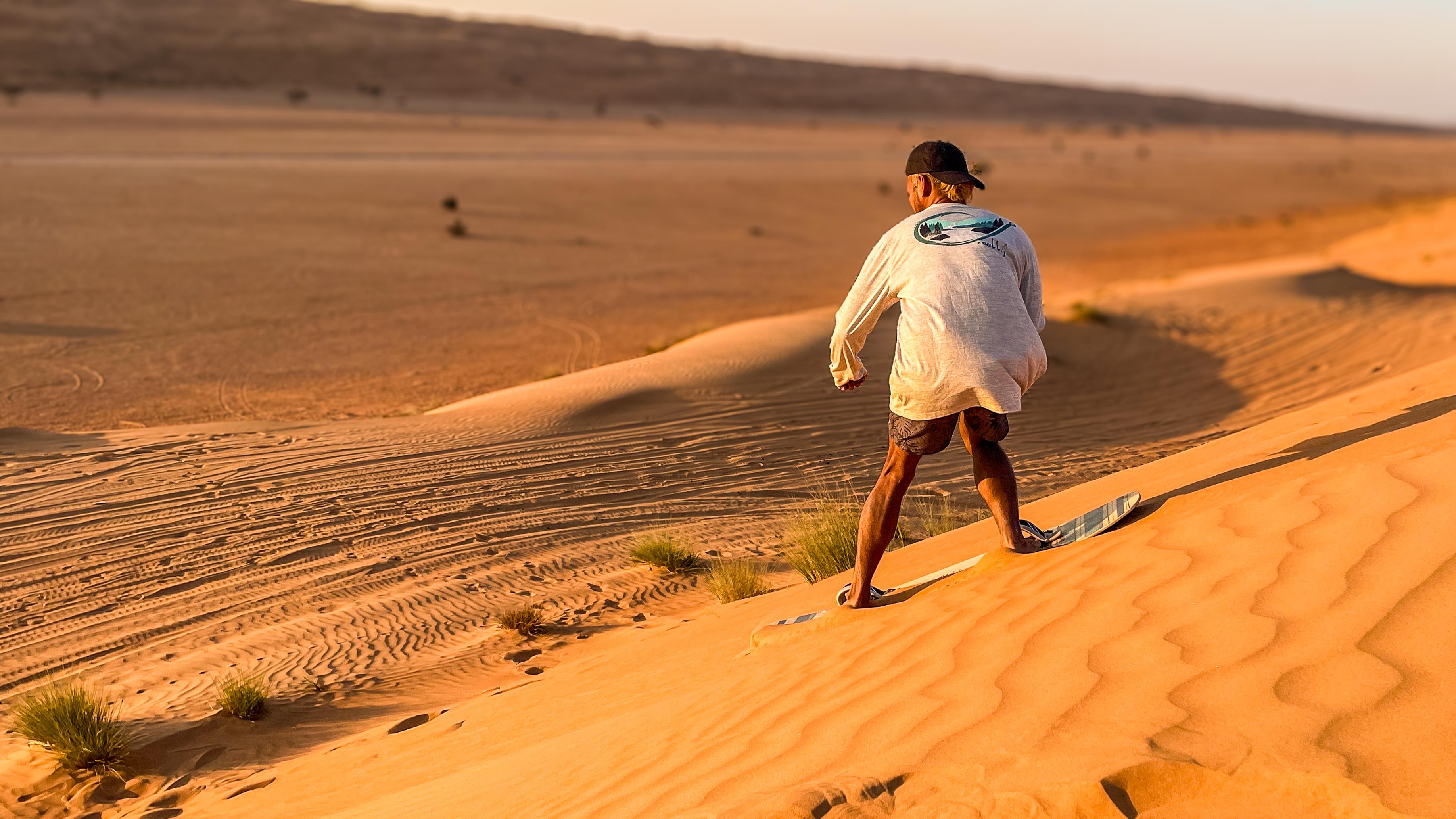
Arriving at the camp to find cushioned majlis seating already arranged felt welcoming. Stargazing session after dinner included telescope views of Saturn's rings. Morning sandboarding down smaller dunes was surprisingly fun.
Join thousands of happy travelers who have discovered this incredible experience
Book Your Experience Now