9 hr
Wadi Shab & Bimmah Sinkhole Full-Day Adventure
- Expert local guide
- Small group
- Skip-the-line access
- Free cancellation
Desert Safari Oman Muscat — Wahiba Sands & Wadi Adventures
Golden dunes meet emerald wadis, Bedouin hospitality in the Sharqiya
Compare fares, pick the fit — all bookings are mobile-voucher and eligible for free cancellation where shown.
9 hr
8 hr
10 hr
| Experience | Duration | Rating | Pickup | Skip-the-line | Guide | Small group | Price | |
|---|---|---|---|---|---|---|---|---|
|
Guided Experience
Most popular
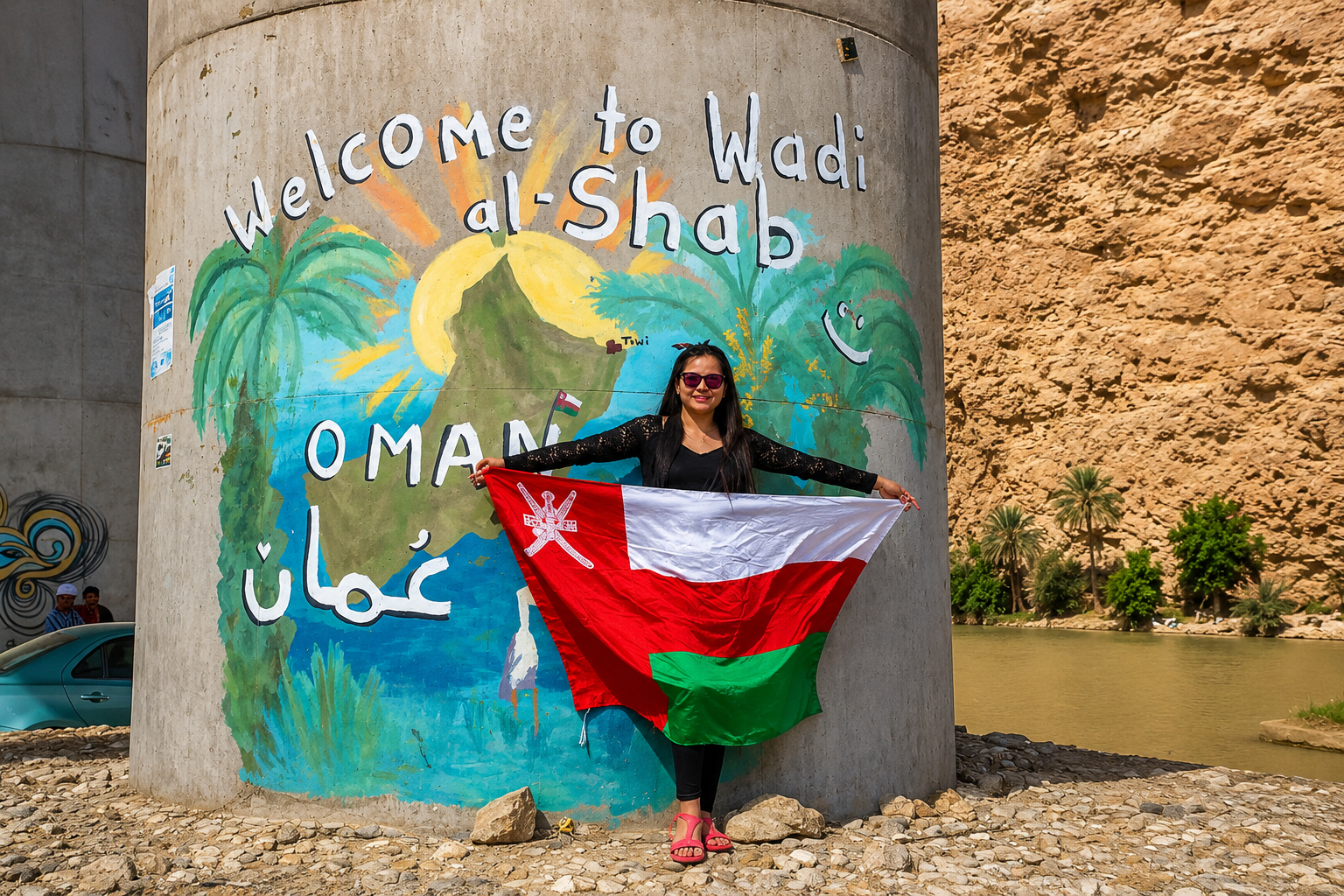
Wadi Shab & Bimmah Sinkhole Full-Day Adventure
|
9 hr | ★ 4.8 | ✓ | ✓ | ✓ | ✓ | €35 | Book → |
|
Guided Experience
Wahiba Sands and Wadi Bani Khalid Desert Adventure
|
8 hr | ★ 4.8 | ✓ | ✓ | ✓ | ✓ | $130 | Book → |
|
Guided Experience
Wahiba Sands Desert & Wadi Bani Khalid Oasis Adventure
|
10 hr | ★ 4.8 | ✓ | ✓ | ✓ | ✓ | $130 | Book → |
Worth it for adventure seekers and nature lovers
A desert safari oman muscat experience in Wahiba Sands delivers genuine Arabian desert immersion without the inflated costs of commercialized alternatives. The area is free to enter—no admission fee—and tours package the logistics: 4WD transport across towering dunes, stops at Wadi Bani Khalid's freshwater pools, and optional Bedouin camp visits. Most full-day adventures run 8–10 hours from Muscat, covering the two-hour drive each way and exploration time in both the sand sea and wadi oasis. Value depends on what you book: combo tours with Wadi Bani Khalid offer better bang than dunes-only trips, since you gain swimming in turquoise pools alongside the desert scenery. For photographers, the morning light on rust-colored dunes justifies the early pickup. Independent travelers with 4WD skills can self-drive and camp, but guided desert safari oman muscat tours handle navigation and safety in shifting sands, a worthy trade-off for most visitors.
Bottom line: The combination of towering dunes, wadi swimming, and cultural insight makes Wahiba Sands a legitimate desert experience that rewards the journey from Muscat.
They complement each other, but most visitors who do both call the deep dunes the more tranquil escape compared to the active exploration of coastal wadis. A desert safari oman muscat tour offers vast golden isolation, while the rival trip focuses on aquatic canyons.
|
Top pick Wahiba Sands |
Wadi Shab & Sinkhole | |
|---|---|---|
| Terrain Type | Sand dunes and desert landscape | Canyon, limestone pools, and beach |
| Travel Distance from Muscat | 200–250 km (3 hours) | 150 km (2 hours) |
| Primary Activity | 4x4 dune bashing and stargazing | Swimming and cave trekking |
| Required Fitness Level | Low (passive sightseeing) | Moderate (hiking and swimming) |
| Environmental Focus | Arid ecosystem and Bedouin culture | Freshwater hydrology and coastal geology |
| See tickets & prices |
Verdict: Choose Wahiba Sands if you seek remote silence and desert safari oman muscat tours, or opt for the wadi experience if you prefer active swimming in green pools using desert safari oman muscat tickets.
Hand-picked experiences loved by thousands of travelers
10 hours
Free Cancellation
Explore Oman's golden dunes, swim in turquoise pools, and discover ancient Bedouin culture on this full-day adventure.
3 - 8 hours
Free Cancellation
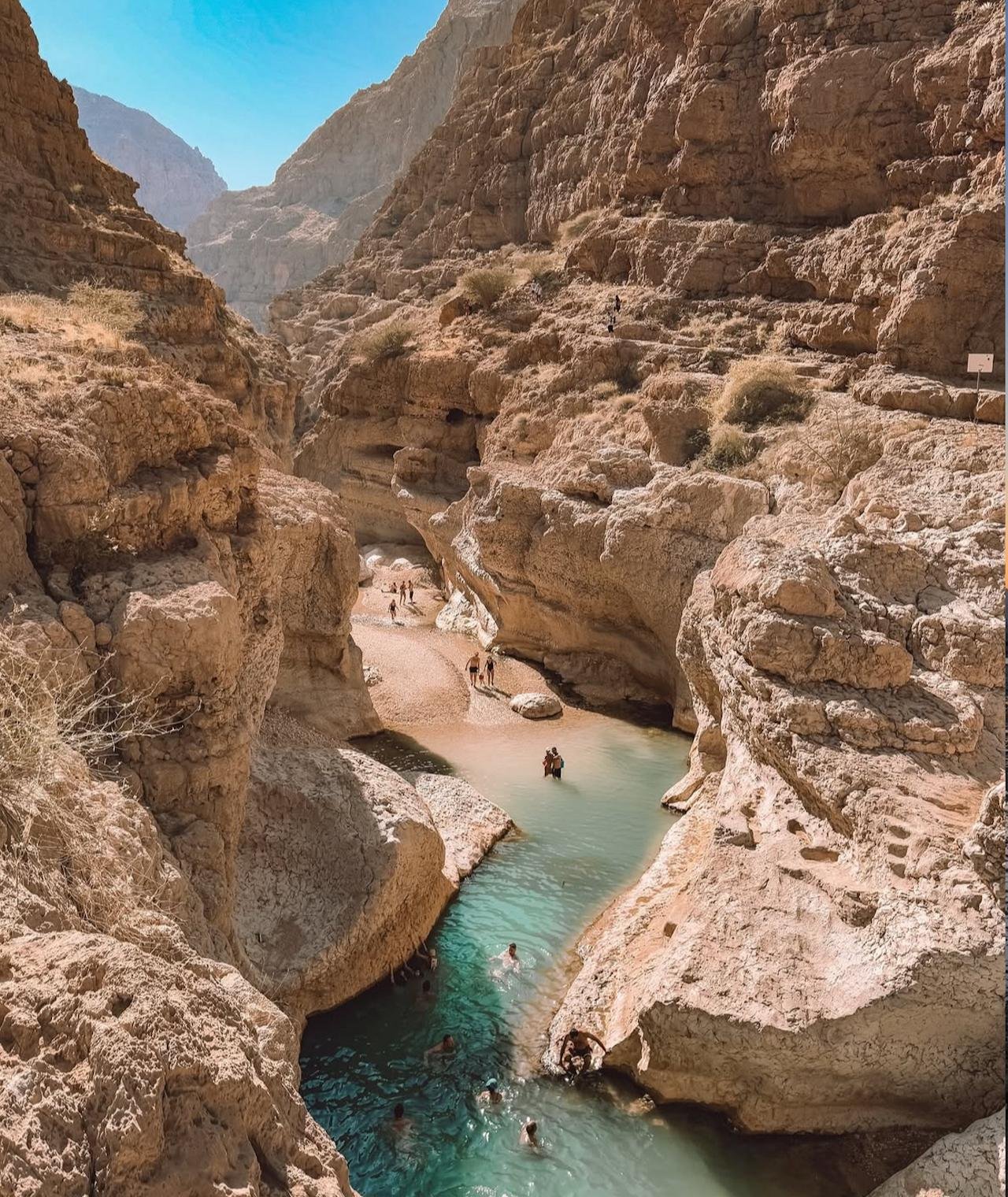
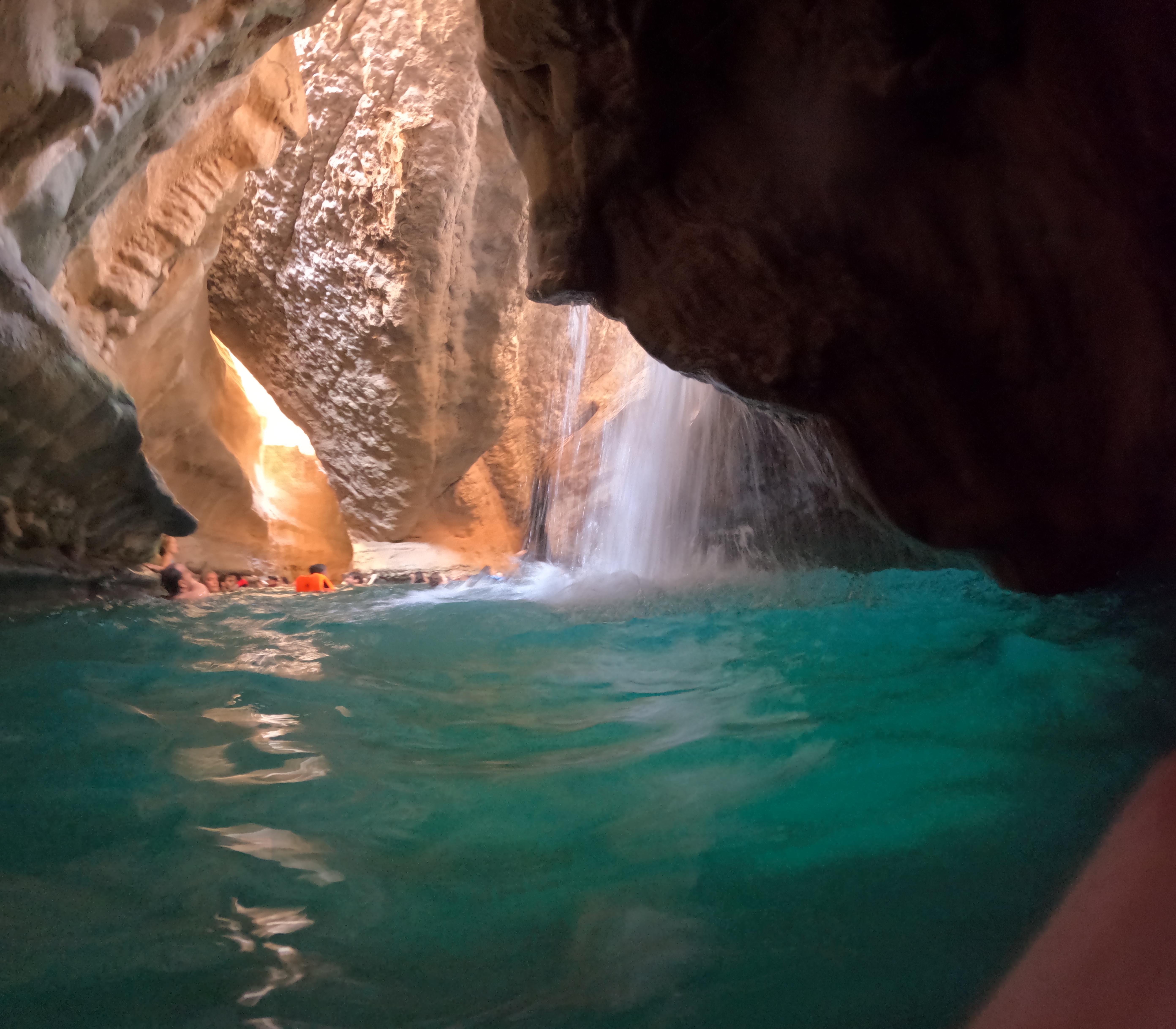
Hike through a stunning canyon, swim to a hidden waterfall cave, and dive into a turquoise sinkhole
8 hours
Free Cancellation
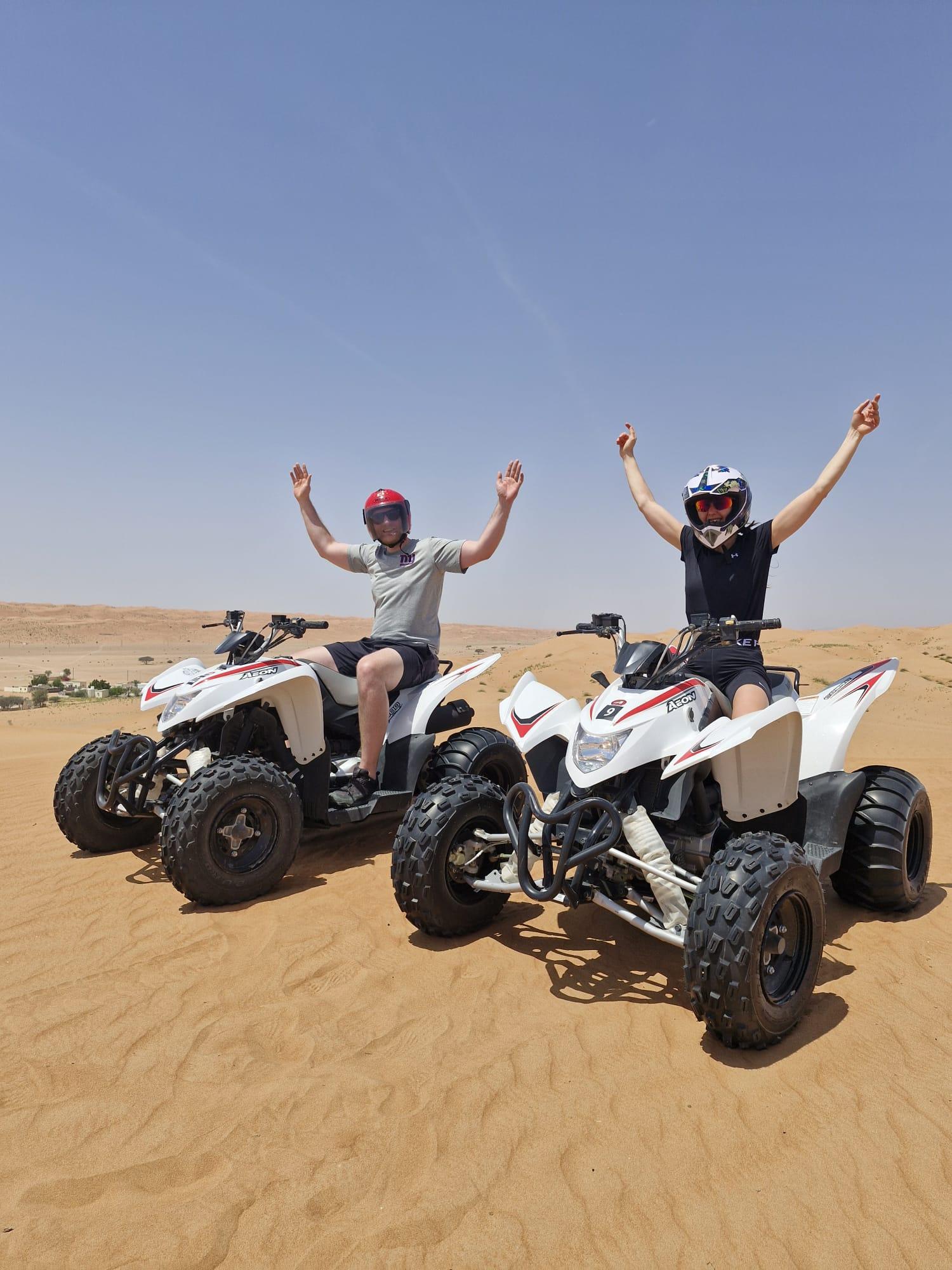
Explore Oman's iconic golden dunes with quad biking, horse rides, and traditional Bedouin hospitality
9 hours
Free Cancellation
Full-day adventure through Wahiba Sands, emerald pools, cave exploration, and authentic Bedouin culture
8 hours 30 minutes
Free Cancellation
Explore Oman's natural wonders: hike to a hidden waterfall cave, relax on a pebble beach, and visit a legendary sinkhole
8 hours 30 minutes
Free Cancellation
Discover Oman's natural wonders on this full-day journey through turquoise pools, hidden caves, and coastal beauty
8 hours
Free Cancellation
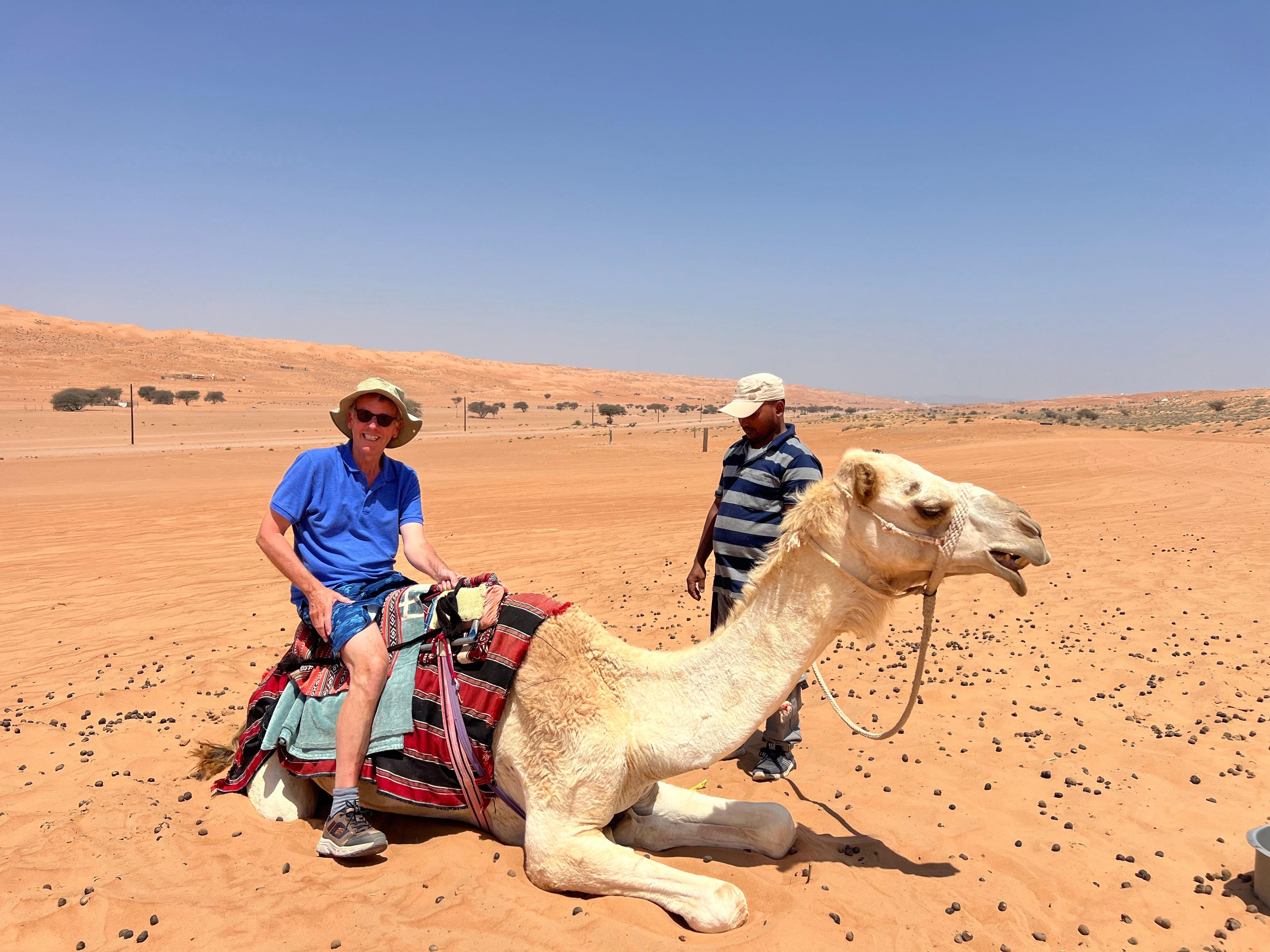
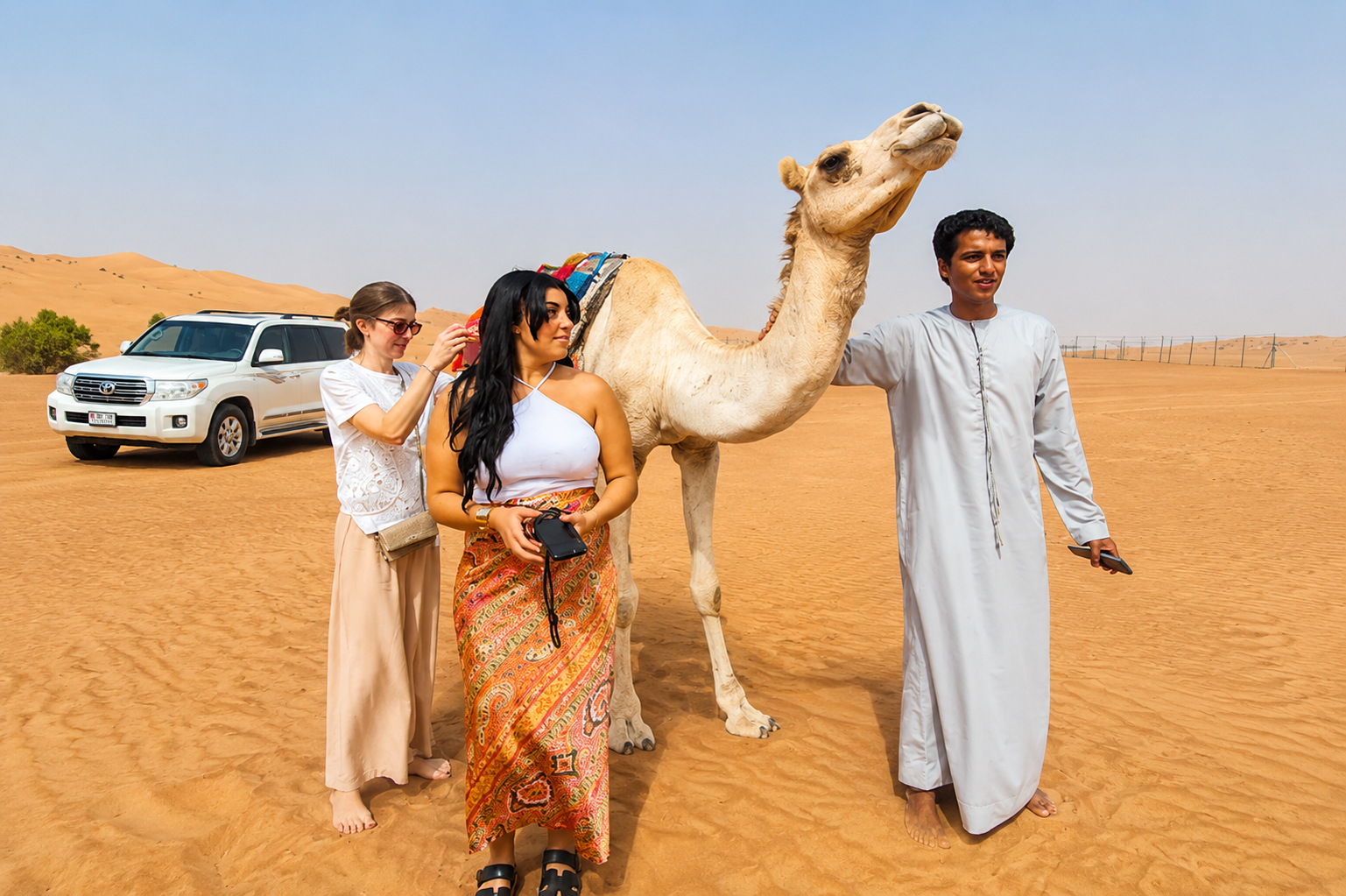
Explore Oman's golden dunes with Bedouin encounters, camel rides, and thrilling desert activities
2 days
Free Cancellation
Two-day adventure combining desert camping, Bedouin culture, and natural oasis swimming in Oman's wilderness
Reach the desert gateway at Bidiyah
Deflate 4x4 tires for sand navigation
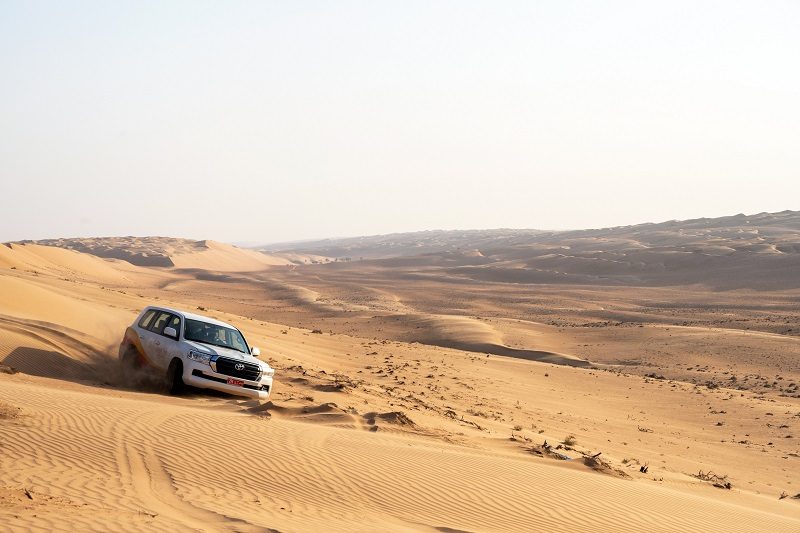
Guided dune bashing in Wahiba Sands
Experience traditional Bedouin hospitality
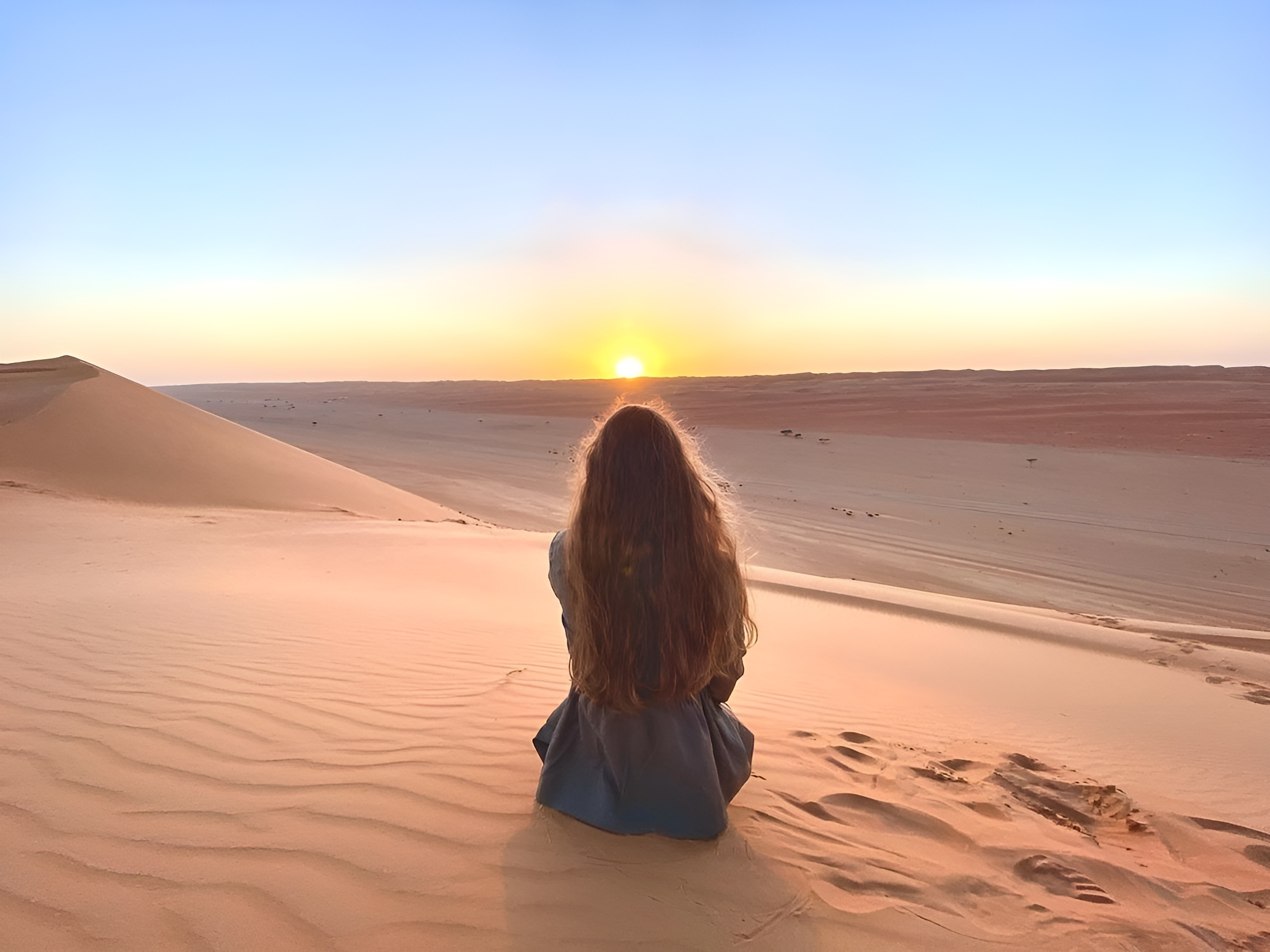
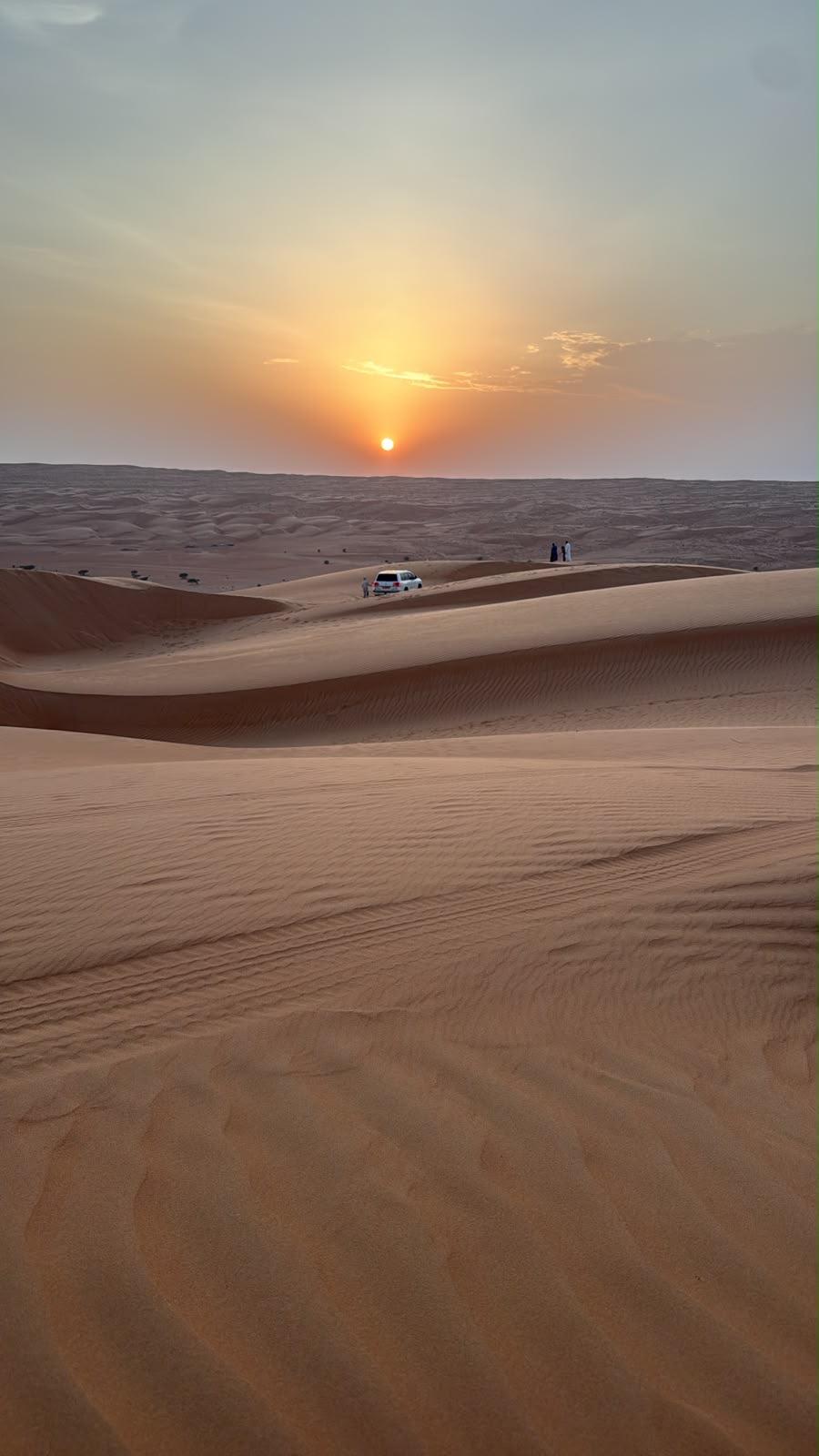
Photography session on high dunes
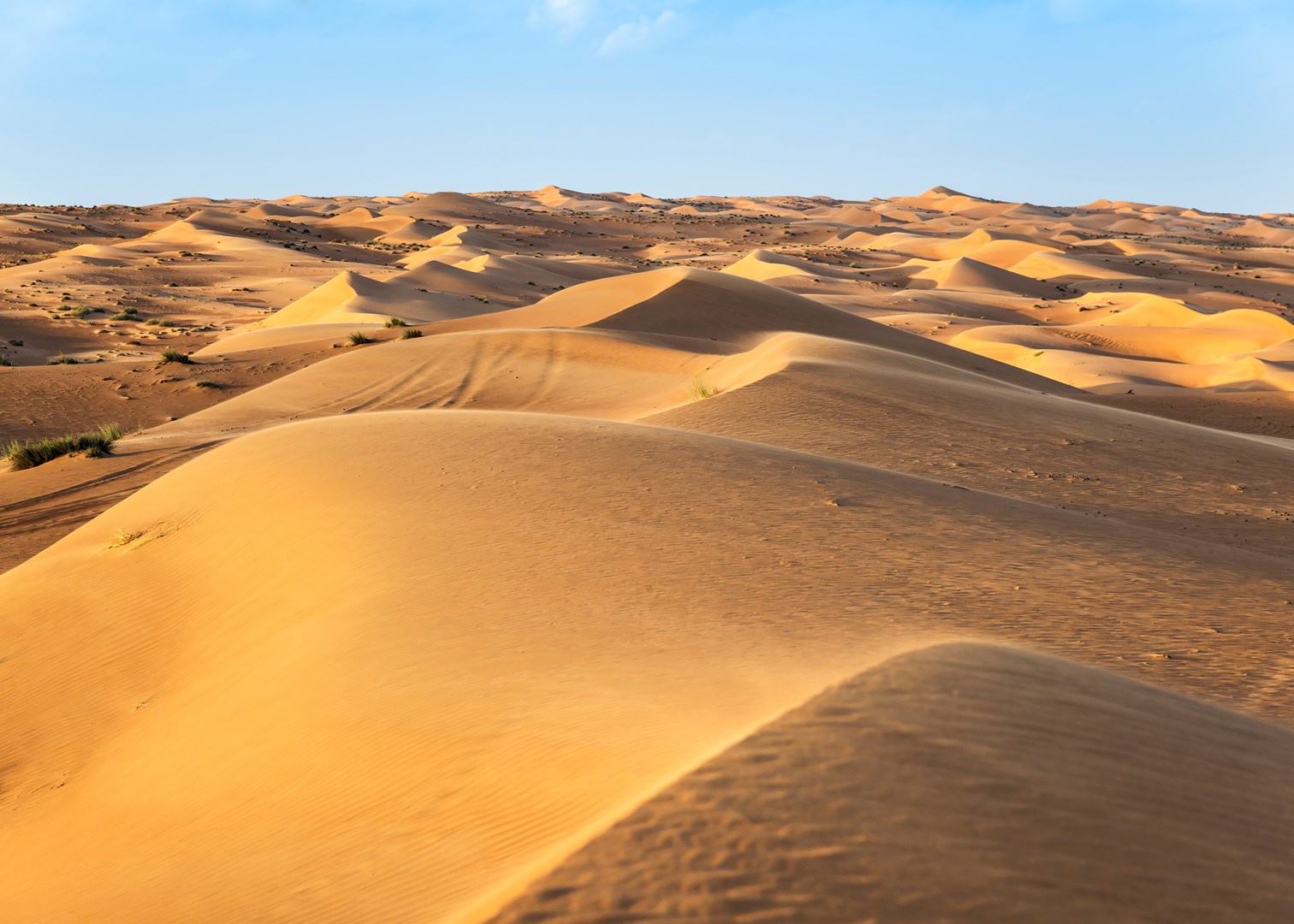
These massive sand formations reach heights of up to 100 meters and shift color throughout the day. Visitors can hike to the summit for panoramic views of the expansive desert landscape.
Experience the traditional way of life through authentic Omani coffee and dates offered by local hosts. This cultural exchange is a cornerstone of any desert safari oman muscat experience.
With minimal light pollution, the desert sky provides a clear view of constellations. Many camps offer dedicated spots to enjoy the serene night silence.
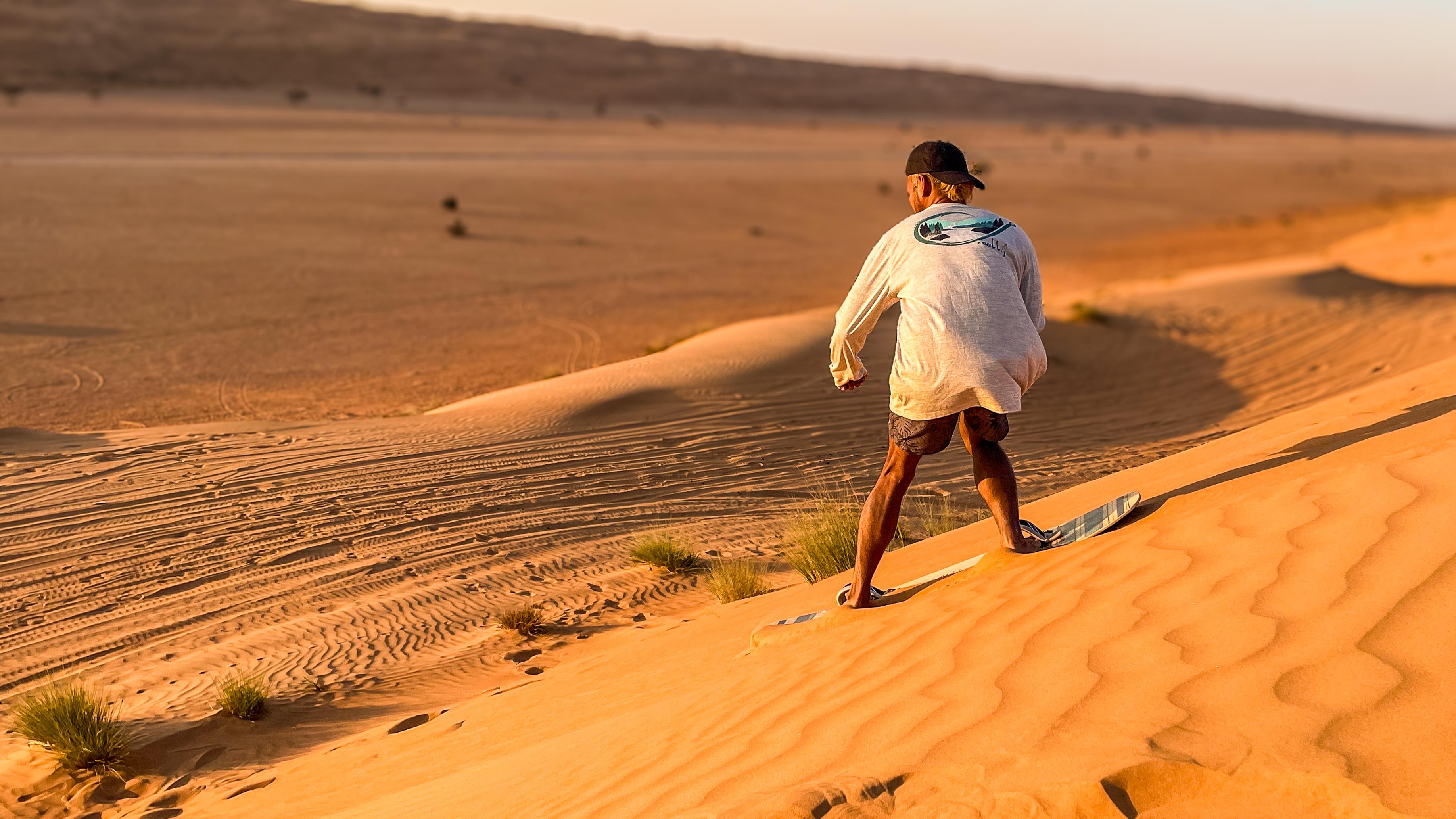
Thrill seekers can use the steep faces of the dunes to slide down on boards. This activity is available at several camps within the Wahiba Sands area.
The desert ecosystem supports resilient species like the Arabian Oryx and desert foxes. Keep a quiet presence to increase your chances of seeing local fauna.
You leave Muscat before sunrise, the highway cutting south-east through date plantations at Quriyat before the terrain opens into gravel hamada. By 09:00 you reach Bidiyah, where your guide deflates the tyres to 15 PSI and the Land Cruiser climbs the first dune face.
The ascent is steep — 35 degrees — and you crest the ridge to see an ocean of sand stretching to a haze-blurred horizon. Dune-bashing runs for 40 minutes, the vehicle plunging down slip faces and carving S-turns along ridge lines.
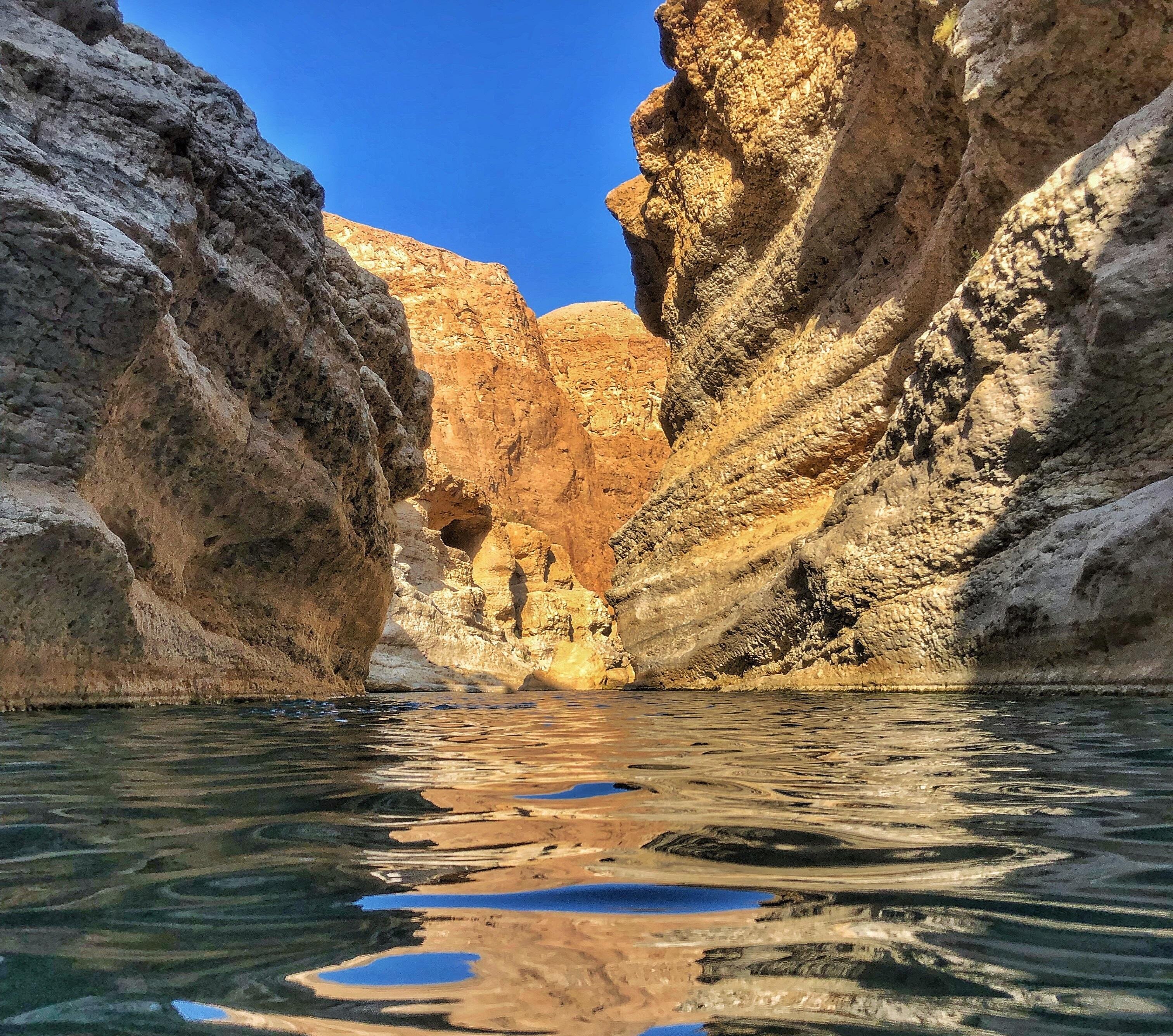
You stop at a Bedouin camp where carpets are spread under a canvas awning. Omani coffee arrives in brass dallah pots, cardamom-scented, paired with dates and honey-drizzled halwa. The guide explains how his grandfather navigated by Polaris and the seasonal position of Suhail, the star that signals rain. By midday you drive west to Wadi Bani Khalid, the landscape shifting from sand to limestone ridges. The wadi pools are jade-green, fed by springs that never dry. You swim in water so clear you see every pebble on the bed, the canyon walls 30 metres overhead. Families picnic on the shaded ledges. On the return drive, the dunes glow apricot in the late light, shadows etching each ripple. You reach Muscat after dark, the city lights a galaxy below the Al Hajar foothills.
All the details about your upcoming adventure in one place
The Wahiba Sands — officially renamed Sharqiya Sands in 2013 — stretch across 12,500 square kilometres of the Al Sharqiyah Region, their rust-and-amber ridges rising 100 metres above the gravel plains that separate Muscat from Oman's interior.
Geologists trace the dunes to Pleistocene wind patterns that sculpted Rub' al Khali sediments into longitudinal waves, a process still active today as north-easterly shamal winds reshape crests each winter. The Bedouin Bani Wahiba tribe has navigated these corridors for five centuries, reading star positions and tracking seasonal fog that sustains acacia and ghaf trees in the interdune troughs.
Modern desert safari Oman Muscat itineraries typically pair the Sharqiya dunes with Wadi Bani Khalid, a perennial river canyon 40 kilometres south-west where turquoise pools fed by aflaj irrigation channels have drawn travellers since the Yaruba dynasty. The wadi's name honours the Al Khalidi family, who historically controlled trade routes linking the coast to Nizwa. Four-wheel-drive convoys depart Muscat's Al Ghubra district at dawn, covering the 180-kilometre highway corridor to Bidiyah village in under three hours. Tour operators maintain permanent camps near Al Mintarib and Al Wasil, where canvas majlis tents and Omani coffee ceremonies offer midday respite before dune-bashing sessions across the eastern sand sea. The landscape shifts with light: iron-oxide tints peak at solar noon, while long shadows after 16:00 reveal the dunes' ripple morphology.
Wahiba's ecosystem supports 16 mammal species, including the Arabian red fox and Blanford's jerboa, both nocturnal. Botanists have catalogued 150 plant varieties adapted to hypersaline groundwater and summer temperatures exceeding 48°C. The desert's eastern edge abuts the Arabian Sea near Masirah Island, where monsoon kharif winds deposit moisture that sustains sparse vegetation along the littoral zone. Conservation efforts since 2005 have restricted off-road vehicle access to designated corridors, protecting nesting sites for the Egyptian vulture and preserving archaeological remains of Neolithic flint workshops discovered near Jalan Bani Bu Ali.
A desert safari Oman Muscat tour balances adventure with cultural immersion. Sunset viewpoints at the highest dune ridges — locally called 'uruq — offer 360-degree panoramas across wave after wave of compacted sand. Bedouin guides demonstrate traditional navigation techniques using the sun's azimuth and qibla calculations that predate GPS technology by generations. The contrast between Wahiba's aridity and Wadi Bani Khalid's freshwater pools, accessed via a 20-minute scramble down polished limestone, defines the region's geographic extremes within a single day's circuit.
Four-wheel-drive convoys depart Muscat's Al Ghubra district at dawn, covering the 180-kilometre highway corridor to Bidiyah village in under three hours.
Wear modest, lightweight clothing that covers shoulders and knees to respect local culture. Bring a jacket or warm layers, as temperatures drop significantly at night.
Carry only essential day bags for your desert safari oman muscat excursion. Ensure your 4x4 vehicle is equipped with recovery gear if self-driving.
The golden dunes of Wahiba Sands provide perfect lighting during sunrise and sunset. Protect camera equipment from fine sand and potential gusts.
The desert is suitable for families, though constant supervision is required on dunes. Ensure children stay in shaded areas during the heat of the day.
The desert terrain consists of soft, shifting dunes which are not accessible by standard wheelchairs. Visitors with mobility concerns should opt for specialized 4x4 desert safari oman muscat transport.
Carry ample water and snacks for your desert safari oman muscat visit. Local camps typically provide traditional Omani meals as part of overnight packages.
Opening hours
00:00–23:59
Address
Wahiba Sands (Sharqiya Sands), Al Sharqiyah Region, Oman
Accessibility
4x4 vehicle required for dune access
Best arrival window
06:00–10:00
Storage
Not available at desert location
Navigation
Follow marked tracks or guided tours
Car · 2.5 hours · Fuel costs only
Drive 4x4 from Muscat via Route 23 to Bidiyah
Taxi · 2.5 hours · Variable pricing
Private hire from Muscat to desert edge
Cancellations must be made according to individual tour operator terms. Entry to the public desert area is free, but guided desert safari oman muscat tours require booking in advance for secured spots.
Recommended time
Half a day to full day
Planning your desert safari oman muscat requires balancing travel time from the capital with the best arrival window of 06:00–10:00 to avoid peak heat. Most visitors find that this Muscat desert attraction tour provides enough time for dune bashing and photography before the afternoon sun intensifies. Since Wahiba Sands offers free entry, there are no desert safari oman muscat tickets required, though coordinating your transit early ensures a smoother experience away from the midday crowds. Booking professional desert safari oman muscat tours helps manage these logistical rhythms effectively.
Crowd levels through the day
Weather · crowds · average price — dots go green to amber to red as each metric rises.
Pleasant transition period with cooling daytime temperatures.
Peak season with comfortable days and cold, clear nights.
Ideal weather before the onset of extreme summer heat.
Avoid due to extreme heat and safety concerns.
Deflate your 4x4 tires to 18–25 psi for better grip on soft sand. Remember to refill at a service station after your desert safari oman muscat trip.
The vast dune field now known as Wahiba Sands—or Sharqiya Sands—remained the domain of the Bedouin Bani Wahiba tribe for centuries, their seasonal migrations following rain and grazing patterns across 12,500 square kilometers of rolling orange sand. In 1986, the Royal Geographical Society mounted a comprehensive scientific expedition to study the region's ecology, geology, and human settlement, publishing findings that placed the desert on the map for international researchers. The expedition documented 16,000 invertebrate species, 200 plant varieties, and the intricate water-management systems the Bedouin had developed around seasonal wells. By the early 1990s, a handful of desert safari Oman Muscat operators began running overnight camel treks from the capital, a four-hour drive north, introducing visitors to the undulating landscape and Bedouin hospitality. In 2013, the Omani government officially renamed the area Sharqiya Sands to reflect its location in the Al Sharqiyah governorate, though the Wahiba name persists in common usage and desert safari Oman Muscat tours. The shift coincided with infrastructure improvements: graded access roads from Ibra and Al Mintrib, mobile-network coverage along the western edge, and the establishment of permanent desert camps offering air-conditioned tents and cultural programming. Traditional livelihoods evolved as younger Bedouin opened tour companies, many training as dune-driving guides or hosting multi-day desert safari Oman Muscat tickets packages that include camel rides, sandboarding, and stargazing sessions. The 2020 pandemic paused operations for eight months, prompting a pivot toward domestic tourism and shorter itineraries departing from Muscat at dawn. Today the sands remain free to enter, with no formal gate or ticketing system—visitors navigate via GPS coordinates and local guidance. The dune sea's eastern fringe still supports semi-nomadic herding, while the western corridor hosts a growing constellation of eco-lodges and adventure outfitters, balancing tourism revenue with efforts to preserve the fragile desert ecosystem and the heritage of the Bani Wahiba.
Bani Wahiba tribe practices seasonal migration across the dune field, relying on wells and grazing routes passed down through generations.
Royal Geographical Society launches a multi-disciplinary expedition, cataloging thousands of species and documenting Bedouin water systems.
First commercial overnight camel treks from Muscat introduce international visitors to the desert landscape and nomadic culture.
Omani government officially renames the region Sharqiya Sands, though Wahiba remains the popular designation among tour operators.
Infrastructure upgrades—graded roads, mobile coverage, permanent camps—expand tourism capacity and attract adventure travelers year-round.
COVID-19 halts operations for eight months; operators shift focus to domestic guests and shorter day-trip formats.
Eco-lodges and Bedouin-led tour companies proliferate along the western edge, offering stargazing, sandboarding, and cultural immersion programs.
Exploring the golden dunes of Wahiba Sands is a memorable experience for families planning a desert safari oman muscat. Parents should prepare for an immersive outdoor environment where children can engage directly with the natural landscape.
Standard strollers are not practical on soft sand, so bring a high-quality baby carrier for infants and toddlers. Wahiba Sands requires specialized equipment for mobility across dunes
This destination is best suited for children aged six and older who can manage the desert safari oman muscat tour environment comfortably. Younger children may find the heat and terrain challenging during extended periods
There are no public baby-change facilities available in the open desert, so ensure your vehicle is stocked with all necessary supplies. Many desert safari oman muscat tickets include access to private camps that offer basic amenities
Limit your exposure to high temperatures by planning your desert safari oman muscat tours for the early morning. Follow the best arrival window of 06:00–10:00 to ensure a safer experience for younger travelers
Always keep children within sight, as the shifting sand dunes can be disorienting in this vast landscape. The area has an entrance fee of 0 OMR, allowing families to explore the open desert area at their own pace.
Dining options while embarking on a desert safari oman muscat are primarily centered within established desert camps that offer traditional Bedouin hospitality. Travelers on self-guided excursions through these Sharqiya Sands landmarks should carry sufficient provisions, as public infrastructure is limited.
Offers authentic Omani cuisine including shuwa and grilled meats for overnight guests. Service is typically buffet-style during the evening to accommodate desert safari oman muscat tours schedules.
Provides a diverse menu featuring local flavors and international dishes served under the stars. Advance booking is recommended for those arriving on a desert safari oman muscat tour without an overnight reservation.
Located on the edge of the dunes, these small venues are suitable for quick stops before heading into the deep desert. Ideal for purchasing water and light snacks if you have not secured desert safari oman muscat tickets that include full board.
Everything you need to know for your journey
The desert area at Wahiba Sands is open 24 hours a day, 00:00–23:59, though organized tours operate during specific times. You can enjoy the desert any day of the week.
Yes, a 4x4 vehicle is essential for navigating the dunes during your desert safari oman muscat. If you lack experience, book a guided tour.
The entrance fee to the open desert area of Wahiba Sands is 0 OMR. Tours and camp packages may incur separate costs.
The best arrival window is 06:00–10:00 to avoid mid-day heat. Aim for the cooler months between October and April for your desert safari oman muscat.
Yes, families are welcome, but be sure to maintain shade and hydration. Children often enjoy camel rides and dune observation during a desert safari oman muscat.
You are welcome to bring supplies, but most desert safari oman muscat packages provide traditional Omani refreshments and meals.
Wear modest, lightweight clothing. A light jacket is recommended for your desert safari oman muscat, as temperatures drop at night.
There are no formal restrictions, but always ask permission before photographing local Bedouin residents during your desert safari oman muscat.
Drive from Muscat towards Bidiyah or Al Wasil to access the dunes. Many operators offer pickup services for a desert safari oman muscat.
Cancellation policies for a desert safari oman muscat depend on the tour operator; verify these terms at the time of purchase.
Stunning turquoise pools and rocky landscapes
Historical defensive structure near the desert
High-end glamping with private tents
Authentic experience near the dunes
Traditional desert camp with mountain views
Join thousands of happy travelers who have discovered this incredible experience
Book Your Experience Now