English| EUR
Suggested for you
More currencies
Book Now
Open today · 00:00 – 23:59

Camel Safari Oman

Camel Safari Oman — Wahiba Sands Desert Expeditions

Golden dunes meet Bedouin trails, sunrise light paints ancient sands

50K+ travelers chose this
Free Cancellation
Right now: Moderate — autumn season Ensure 4x4 vehicle is prepared for sand driving conditions.
Free Cancellation
Free cancellation Instant confirmation Mobile voucher Verified partner Book now, pay later
Choose your ticket

Camel Safari Oman tickets at a glance

Compare fares, pick the fit — all bookings are mobile-voucher and eligible for free cancellation where shown.

Wahiba Sands Desert, Wadi Bani Khalid & Mudayrib Village Tour 10 hr
Guided Experience

Wahiba Sands Desert, Wadi Bani Khalid & Mudayrib Village Tour

4.7 (338)
€97
  • Expert local guide
  • Small group
  • Skip-the-line access
  • Free cancellation
Book this ticket
Wahiba Sands Desert & Wadi Bani Khalid Oasis Adventure 10 hr
Guided Experience

Wahiba Sands Desert & Wadi Bani Khalid Oasis Adventure

4.8 (465)
$130
  • Expert local guide
  • Small group
  • Skip-the-line access
  • Free cancellation
Book this ticket
Compare options

Compare Camel Safari Oman ticket options

Selecting the right camel safari oman experience allows you to immerse yourself in the vast golden dunes of the Sharqiya region at your preferred pace. These traditional desert journeys provide a unique window into local heritage, from short introductory treks to multi-day wilderness expeditions.

Short Ride Introductory Top pick
Sunset Trek Classic
Full-Day Expedition Comprehensive
Duration 30–60 minutes Full day
Access Level Dune periphery Deep desert interior
Entrance Fee 0 OMR 0 OMR
Best arrival window 06:00–10:00 06:00–10:00
Included activities Camel trek Trek and Bedouin immersion
Best for First-timers Adventure seekers

Verdict: First-time visitors should choose the Sunset Trek for the best balance of scenery and ease, while those booking camel safari oman tours with more time may prefer the full-day expedition.

Is Camel Safari Oman worth it?

Worth it for desert and culture seekers

A camel safari oman experience in Wahiba Sands delivers genuine Bedouin desert immersion without an entrance fee, making the value proposition straightforward. The bookable multi-stop tours bundle the golden dunes with Wadi Bani Khalid oasis swimming and traditional village visits, stretching your day beyond a simple camel ride. You're not paying for a quick tourist photo op—most itineraries include dune bashing, sunset camel treks, and cultural exchanges with local families. The terrain itself is spectacular: rolling sand ridges that shift color through the day, zero commercialization, and true silence. If your priority is authentic Arabian desert landscape rather than manicured resort amenities, camel safari oman tours hit the mark. Families and solo travelers alike find the combination of adventure activities and natural beauty justifies the day trip investment, especially since the region remains one of Oman's least crowded desert destinations.

What makes it worth it

  • Free desert access with no gate fees
  • Combines dunes, wadis, and villages in one day
  • Authentic Bedouin culture interactions
  • Uncrowded compared to resort desert camps
  • Morning rides avoid extreme heat

Keep in mind

  • Long drive from Muscat (2.5–3 hours each way)
  • Limited shade during midday stops
  • Camel rides can be brief (30–60 minutes)

Bottom line: The blend of unspoiled sand seas, cultural depth, and multi-activity itineraries makes camel safari oman tickets a solid investment for travelers seeking substance over spectacle.

Head to head

Camel Safari Oman or 4x4 Dune Adventure: Choosing Your Experience

They complement each other; most visitors who do both call 4x4 driving the more thrilling pursuit while a camel safari oman tour provides a deeper connection to the landscape. Many guests prefer these camel safari oman tours for their quiet, contemplative nature, contrasting sharply with the motor-powered speed of dune bashing.

Top pick
Camel Safari
4x4 Dune Driving
Pace of experience Fast and aggressive
Environmental impact Higher carbon footprint
Physical intensity Moderate (vibration/motion)
Traditional authenticity Modern recreational sport
Terrain accessibility Deep dune navigation
Ease of booking Readily available camel safari oman tickets

Verdict: Choose the animal-led trek for a silent, traditional exploration of the golden dunes or opt for 4x4 desert driving if you prioritize speed and high-octane terrain maneuvers.

Featured Experiences

Popular Camel Safari Oman tours & activities

Hand-picked experiences loved by thousands of travelers

Recommended Experience

Powered by GetYourGuide

Another traveler favorite

Powered by GetYourGuide
Wadi Shab & Bimmah Sinkhole Full-Day Adventure 3 hours Free Cancellation

Wadi Shab & Bimmah Sinkhole Full-Day Adventure

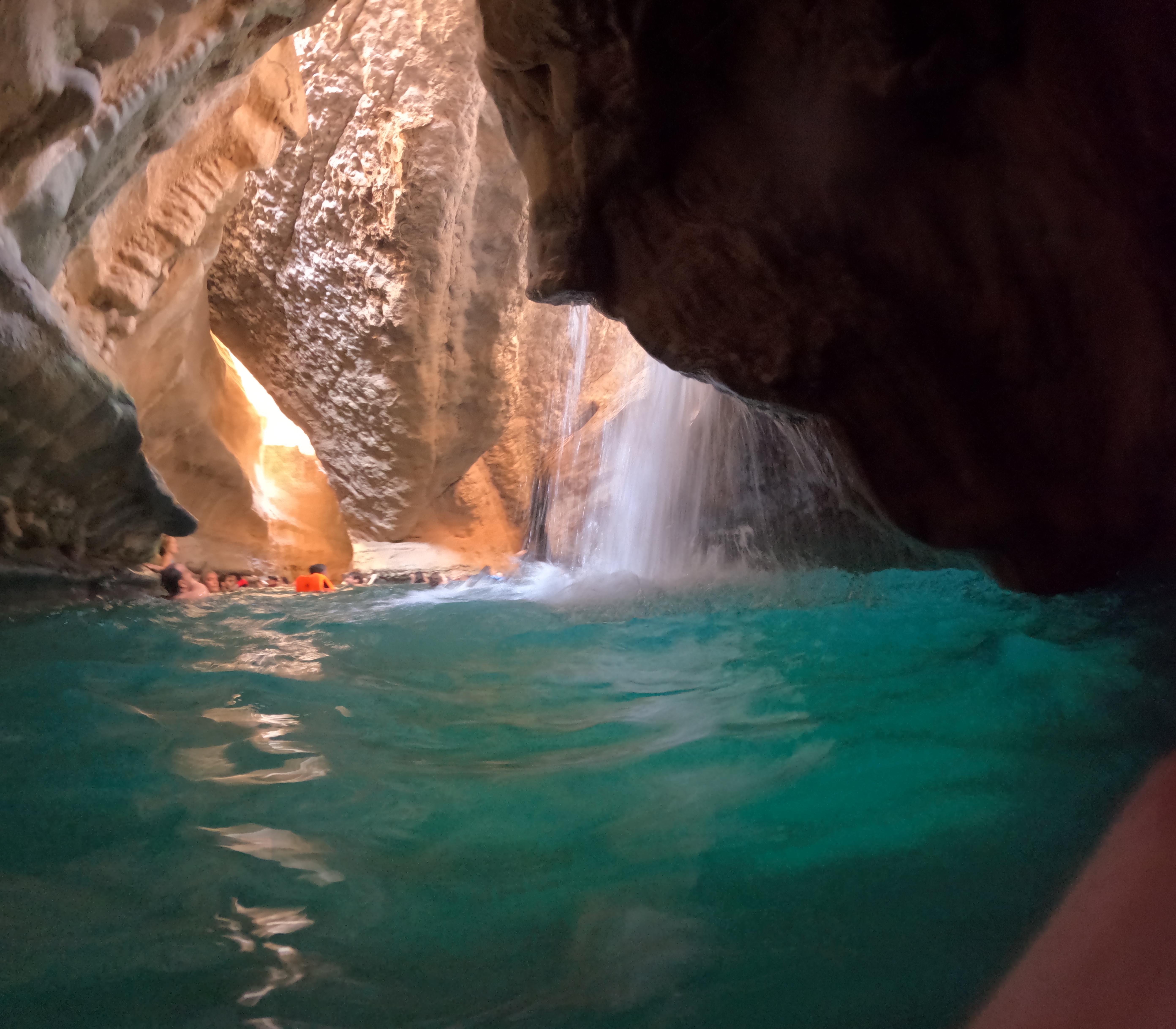
Hike through a stunning canyon, swim to a hidden cave waterfall, and explore a turquoise sinkhole on this scenic day trip from Muscat.

4.8 (2068)
FromFrom $40
See details
Wadi Shab & Bimmah Sinkhole Adventure 3 to 9 hours Free Cancellation

Wadi Shab & Bimmah Sinkhole Adventure

Journey through Oman's natural treasures with hiking, swimming, and exploration of dramatic landscapes

4.9 (378)
FromFrom €26.34
See details
Wadi Bani Khalid & Wahiba Sands Desert Sunset Experience 11 hours Free Cancellation

Wadi Bani Khalid & Wahiba Sands Desert Sunset Experience

Discover Oman's turquoise oasis pools and golden dunes on this full-day adventure from Muscat

5 (4)
FromFrom $108.21
See details
Wadi Shab Cave, Fins Beach & Bimmah Sinkhole Day Trip 8 hours 30 minutes Free Cancellation

Wadi Shab Cave, Fins Beach & Bimmah Sinkhole Day Trip

Explore Oman's natural wonders: hike to a secret waterfall cave, swim in turquoise pools, and visit a legendary sinkhole.

5 (41)
FromFrom €88
See details
Wahiba Sands Self-Drive Dune Buggy Safari 1 hour Free Cancellation

Wahiba Sands Self-Drive Dune Buggy Safari

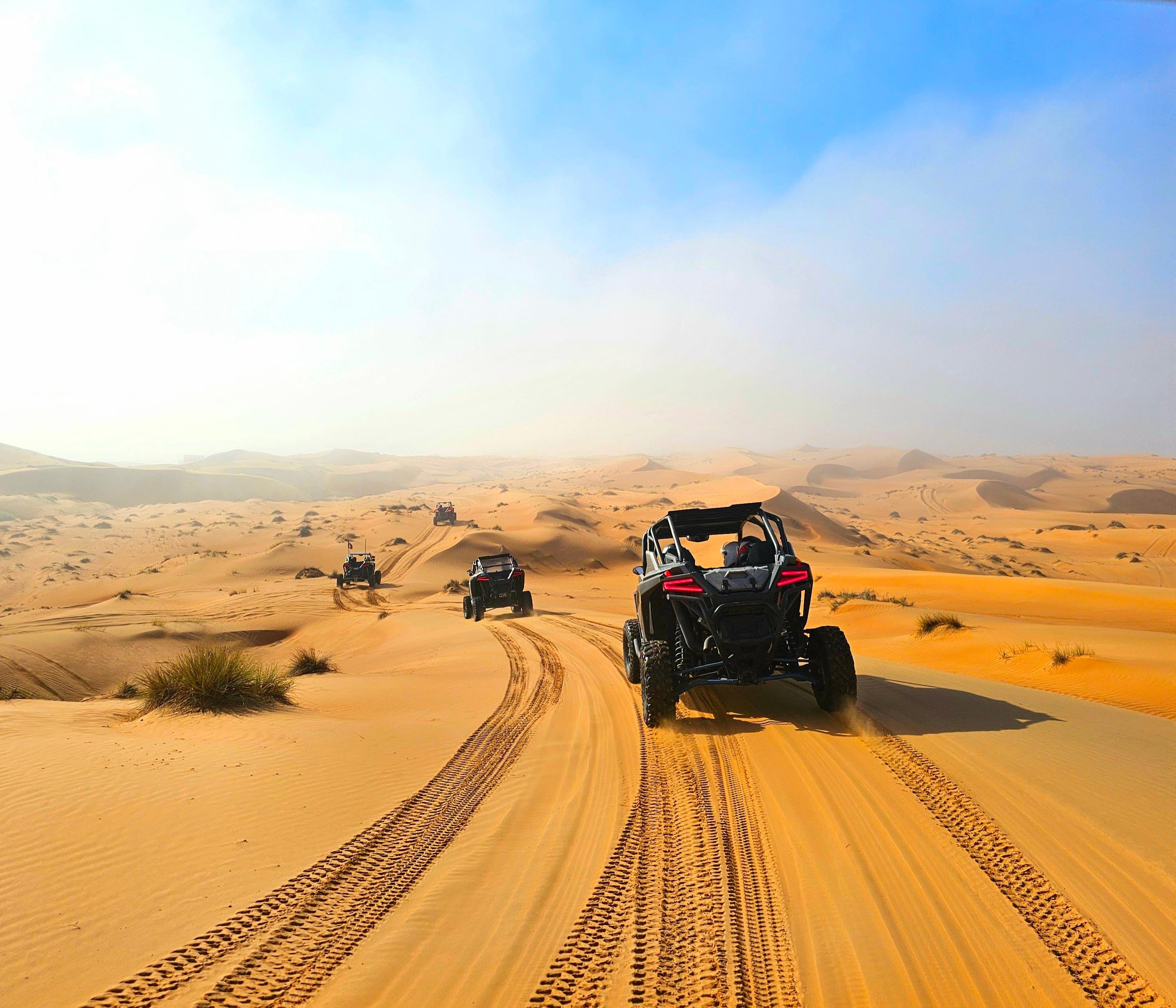
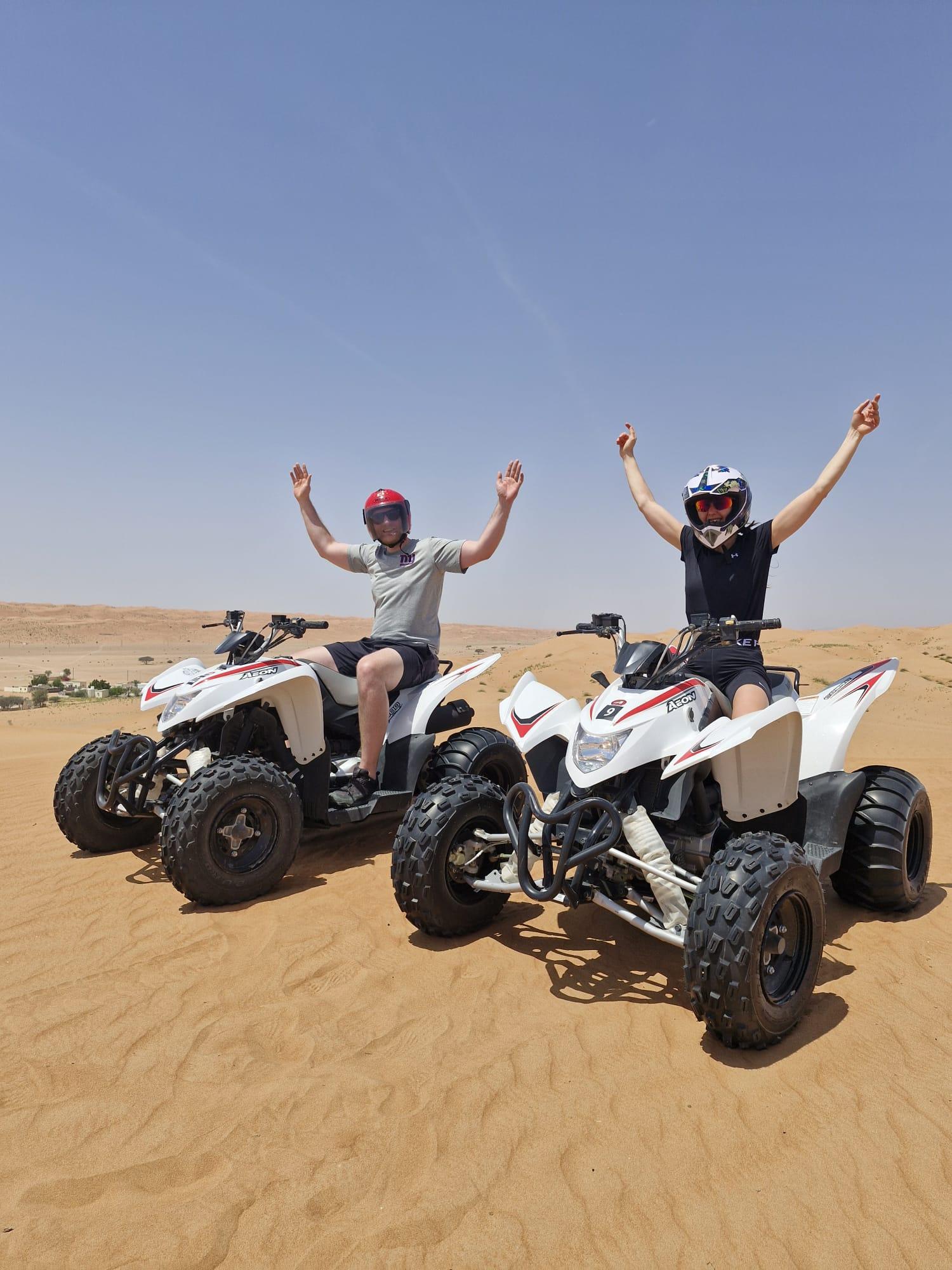
Command your own premium buggy through Oman's legendary desert dunes on a thrilling guided expedition

5 (19)
FromFrom €78.13
See details
Wahiba Sands Desert Safari with Camel Ride from Bidiyah 2 hours Free Cancellation

Wahiba Sands Desert Safari with Camel Ride from Bidiyah

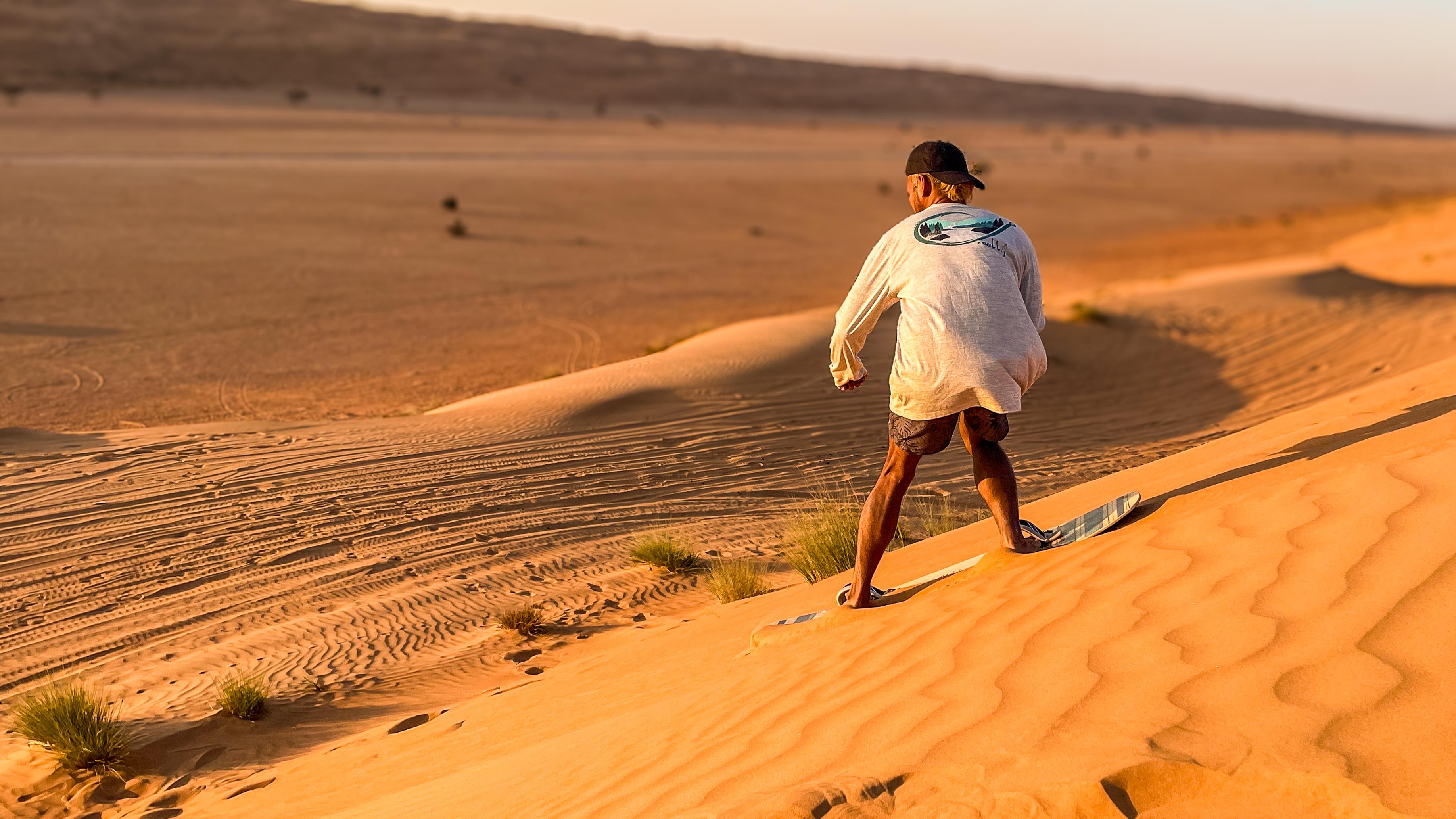
Two-hour desert adventure combining camel trekking, sand skiing, dune bashing, and Bedouin culture

5 (1)
FromFrom €100.96
See details
Wahiba Sands Desert Adventure with Sunset 8 hours Free Cancellation

Wahiba Sands Desert Adventure with Sunset

Explore Oman's golden dunes with Bedouin culture, camel rides, quad biking, and a breathtaking sunset

5 (3)
FromFrom €85.15
See details
Private Wahiba Sunrise, Bedouin Village & Wadi Hawer Tour 8 hours Free Cancellation

Private Wahiba Sunrise, Bedouin Village & Wadi Hawer Tour

Experience desert dawn, traditional hospitality, and mountain wadi beauty on this full-day private adventure

FromFrom $175
See details
Your journey

Your Camel Safari Oman day, step by step

1
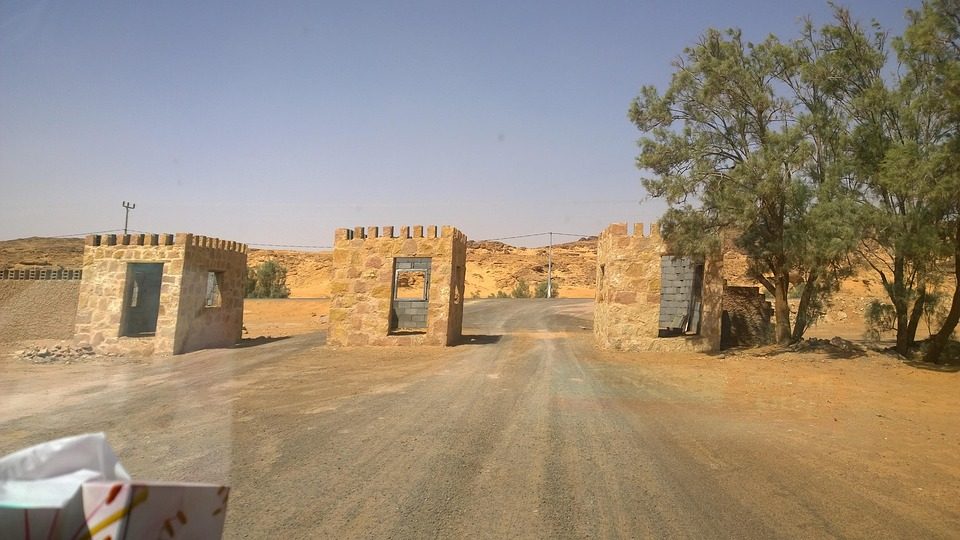
Arrival at Gate

Arrival at Gate

Registration and meeting the guide

2
Camel Mounting

Camel Mounting

Learning basic handling and safety

3
Dune Trek

Dune Trek

Guided ride across red sand dunes

4
Bedouin Hospitality

Bedouin Hospitality

Traditional tea and history lesson

What you'll see

What you'll see at Camel Safari Oman

Red Sand Dunes

Red Sand Dunes

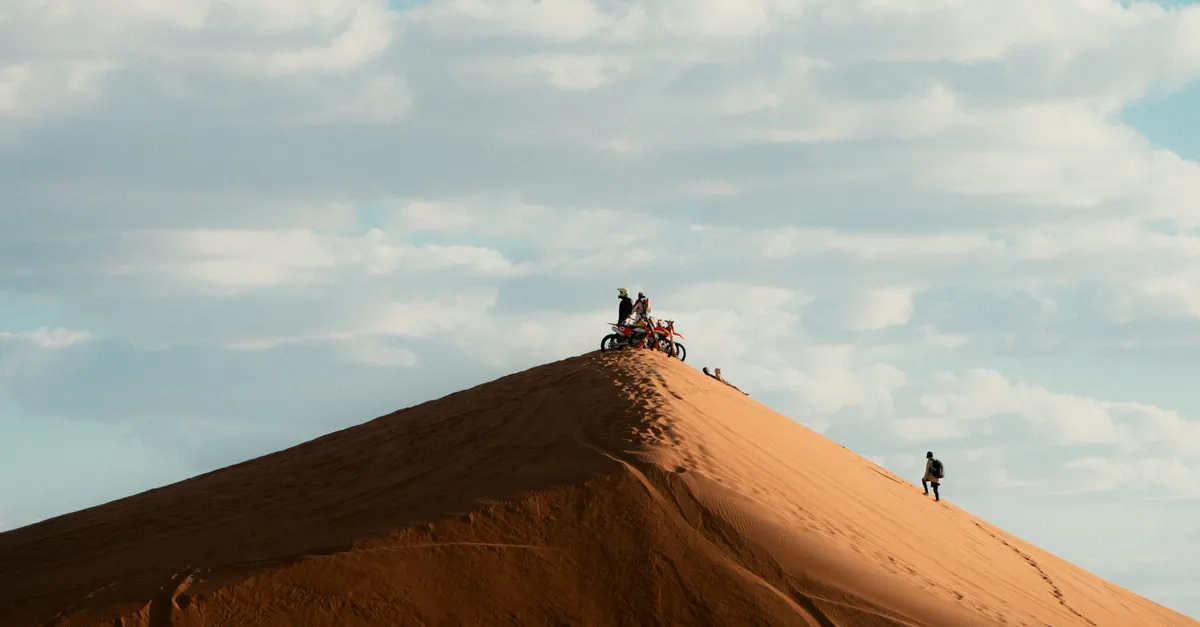
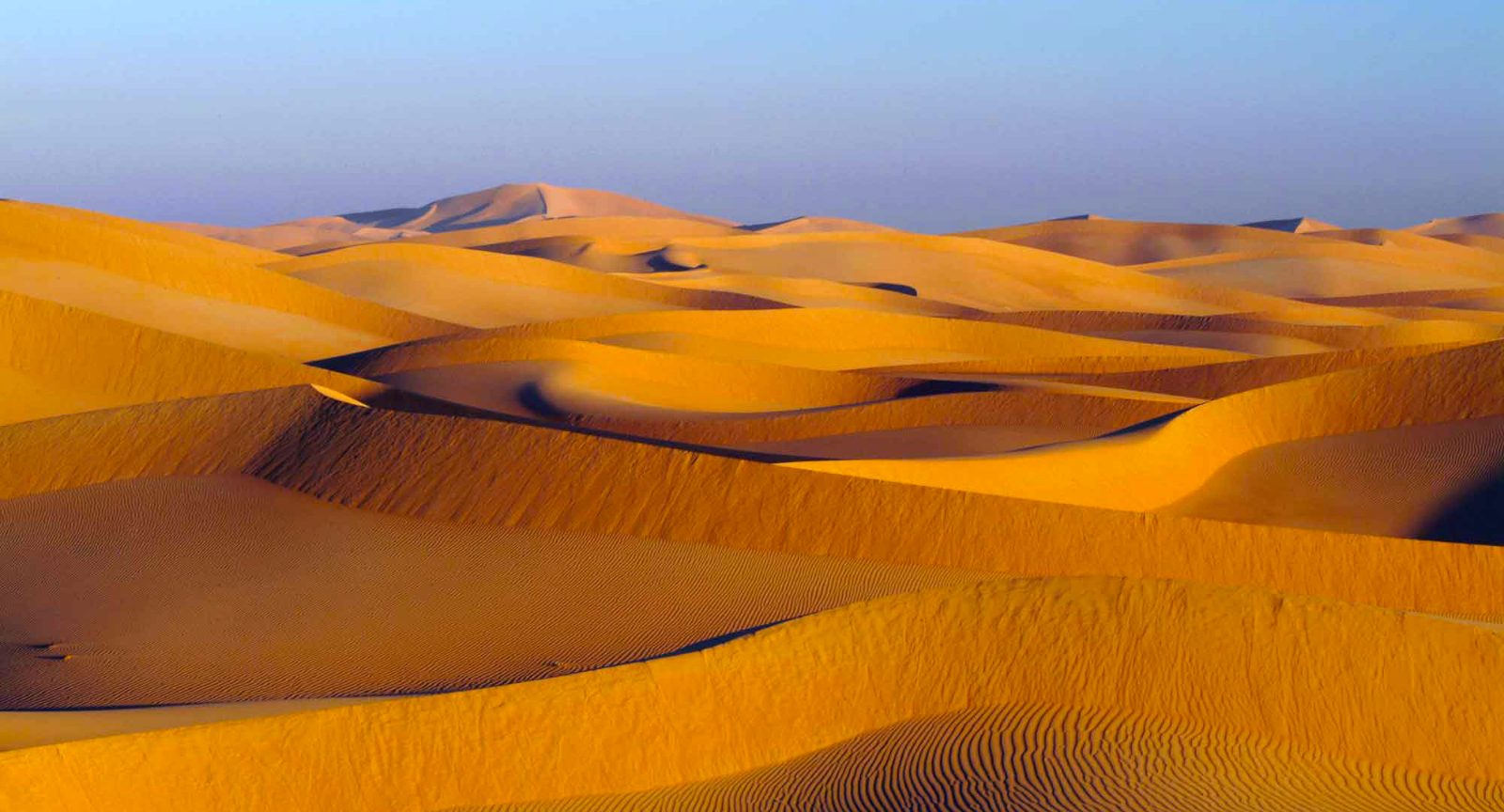
These iconic dunes reach heights of over 100 meters, shifting constantly with the desert wind. They provide the signature backdrop for every camel safari oman.

Bedouin Camps

Bedouin Camps

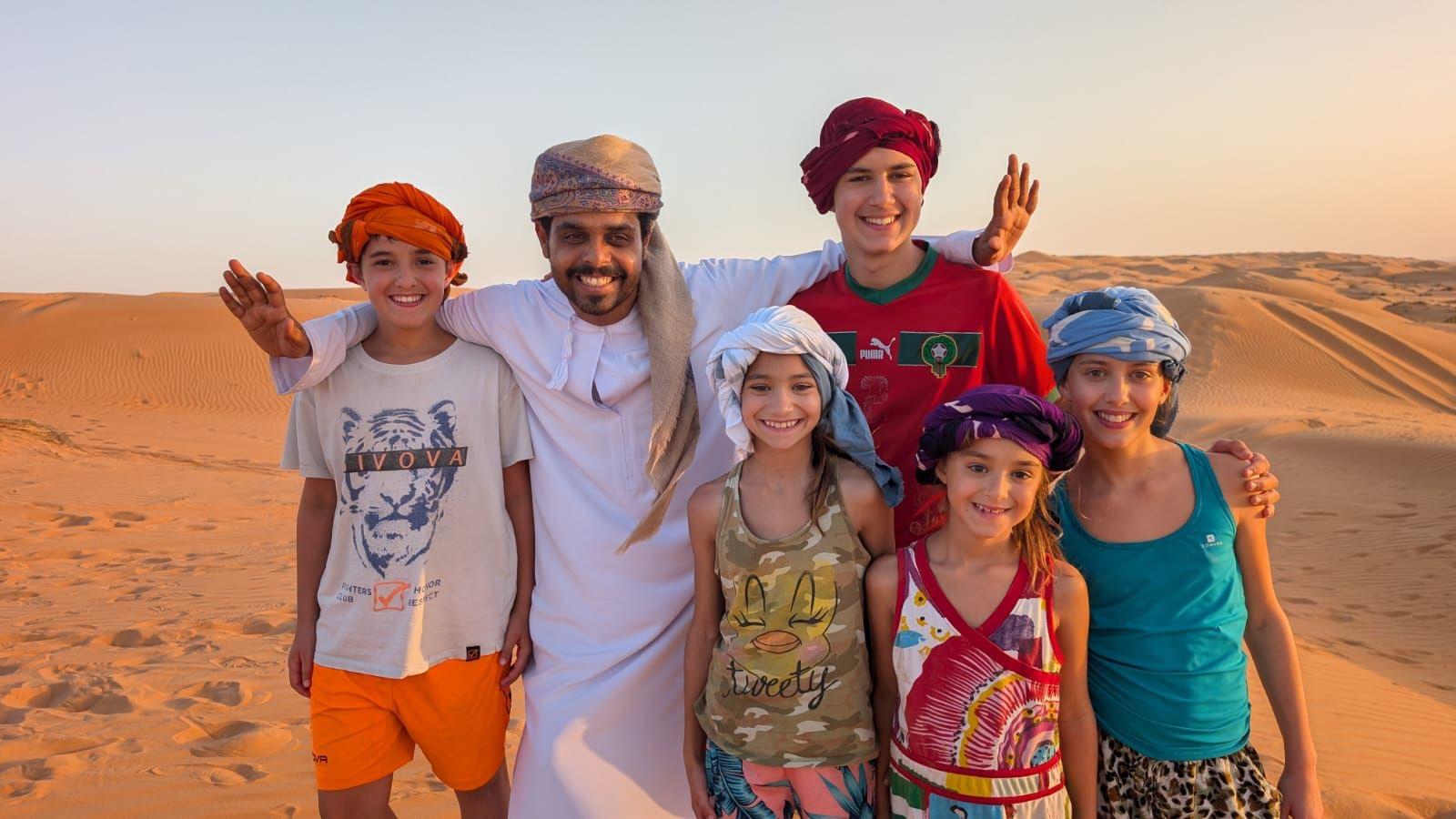
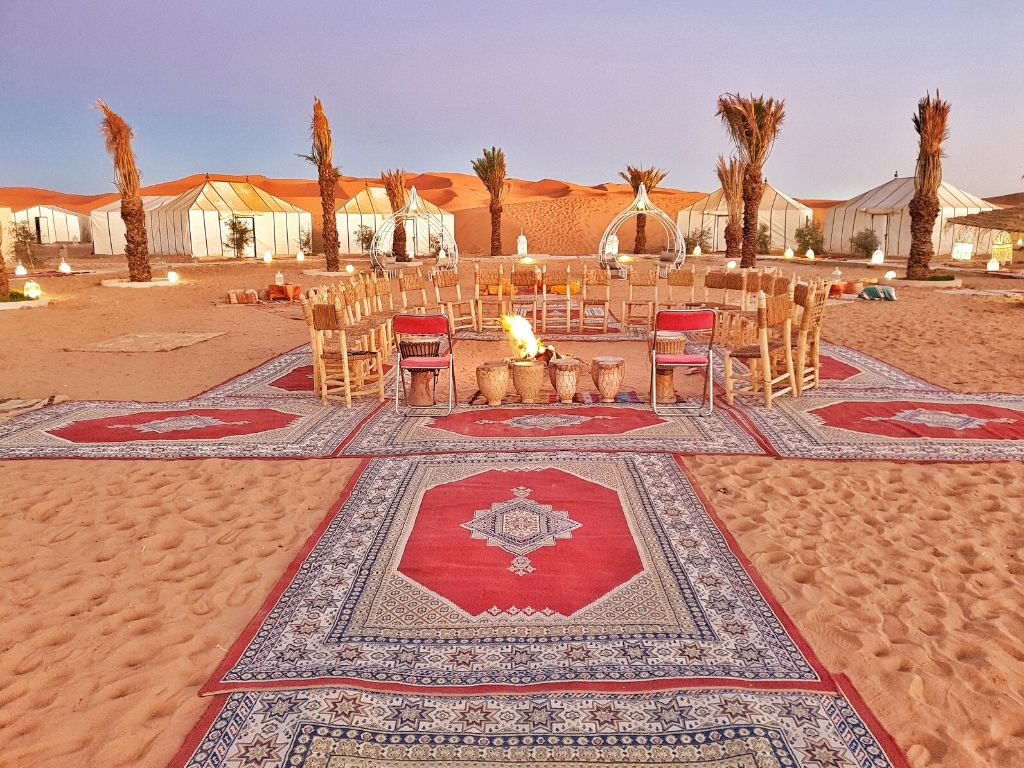
Experience traditional hospitality and learn about historical desert nomadic life. Visitors often share coffee in these camps during a camel safari oman.

Stargazing Points

Stargazing Points

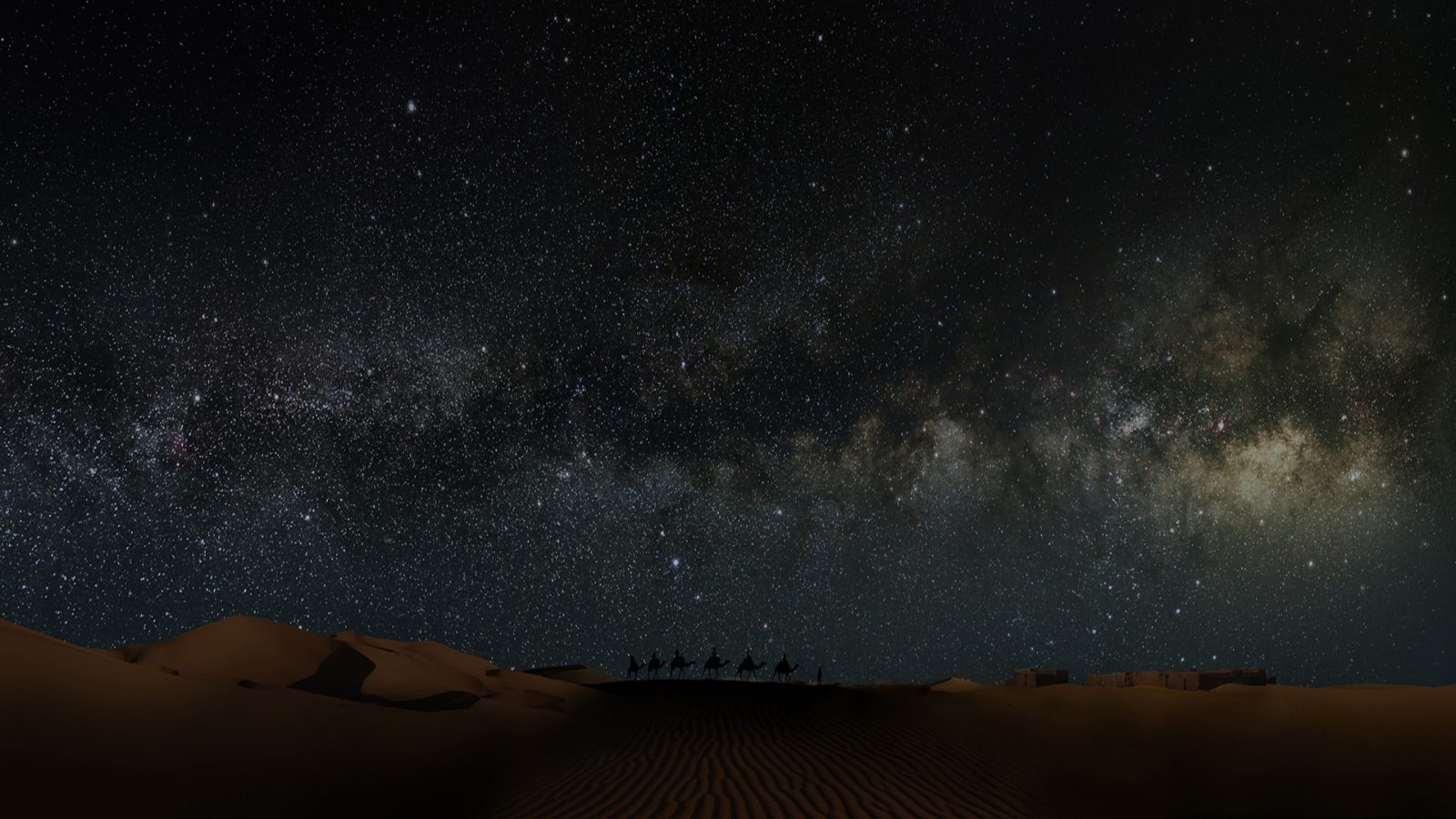
Far from light pollution, the desert sky offers a view of thousands of stars. This is a common finale for an overnight camel safari oman.

Camel Farm Gates

Camel Farm Gates

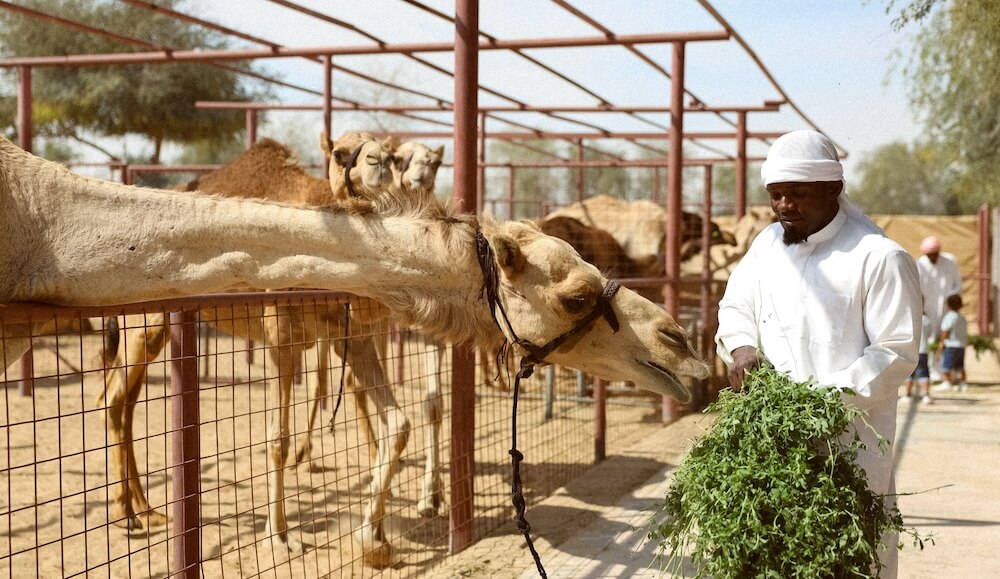
The starting point where visitors meet their guides and dromedaries. It serves as an educational introduction to local animal husbandry.

The experience

What visiting Camel Safari Oman is really like

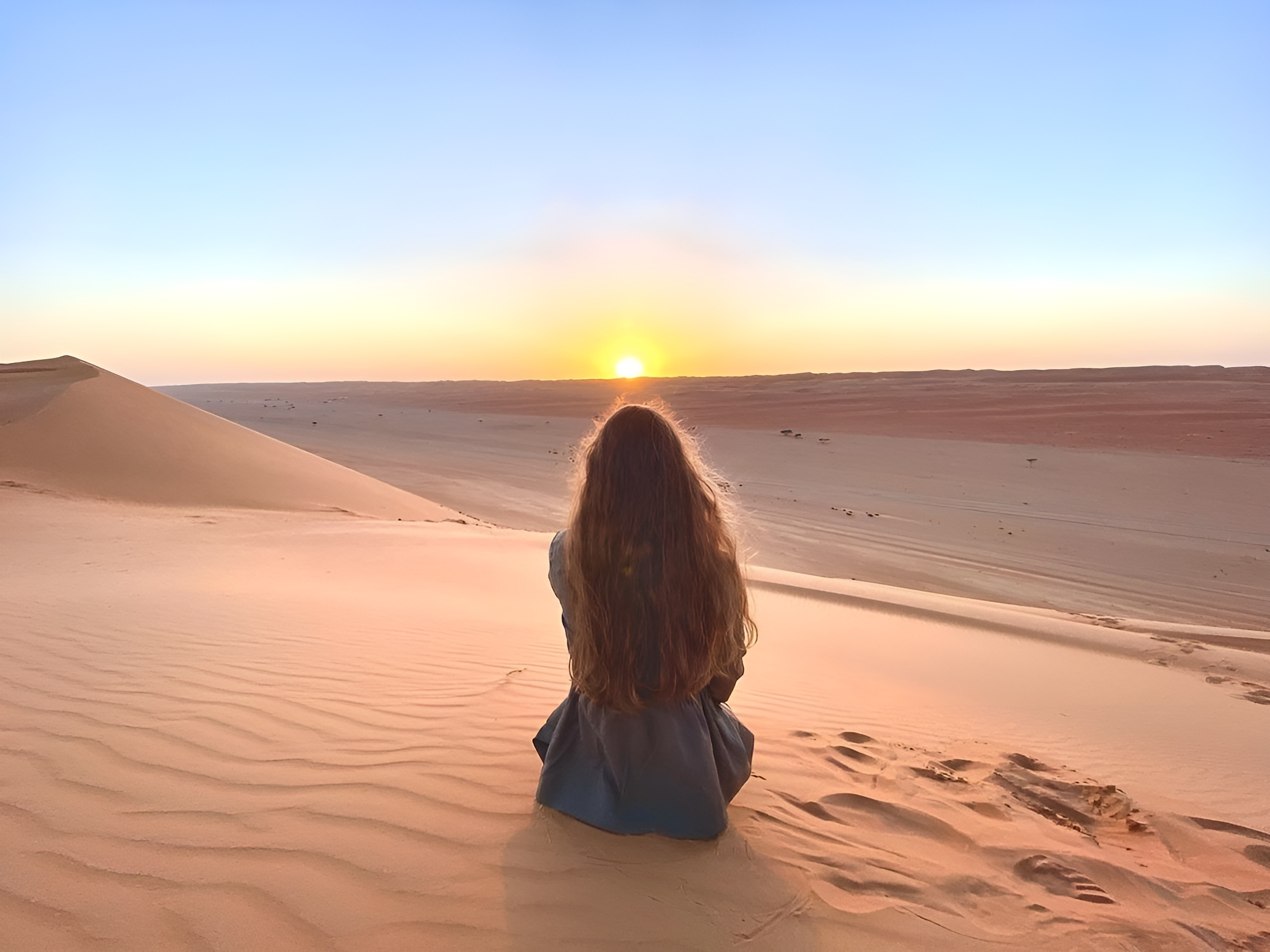
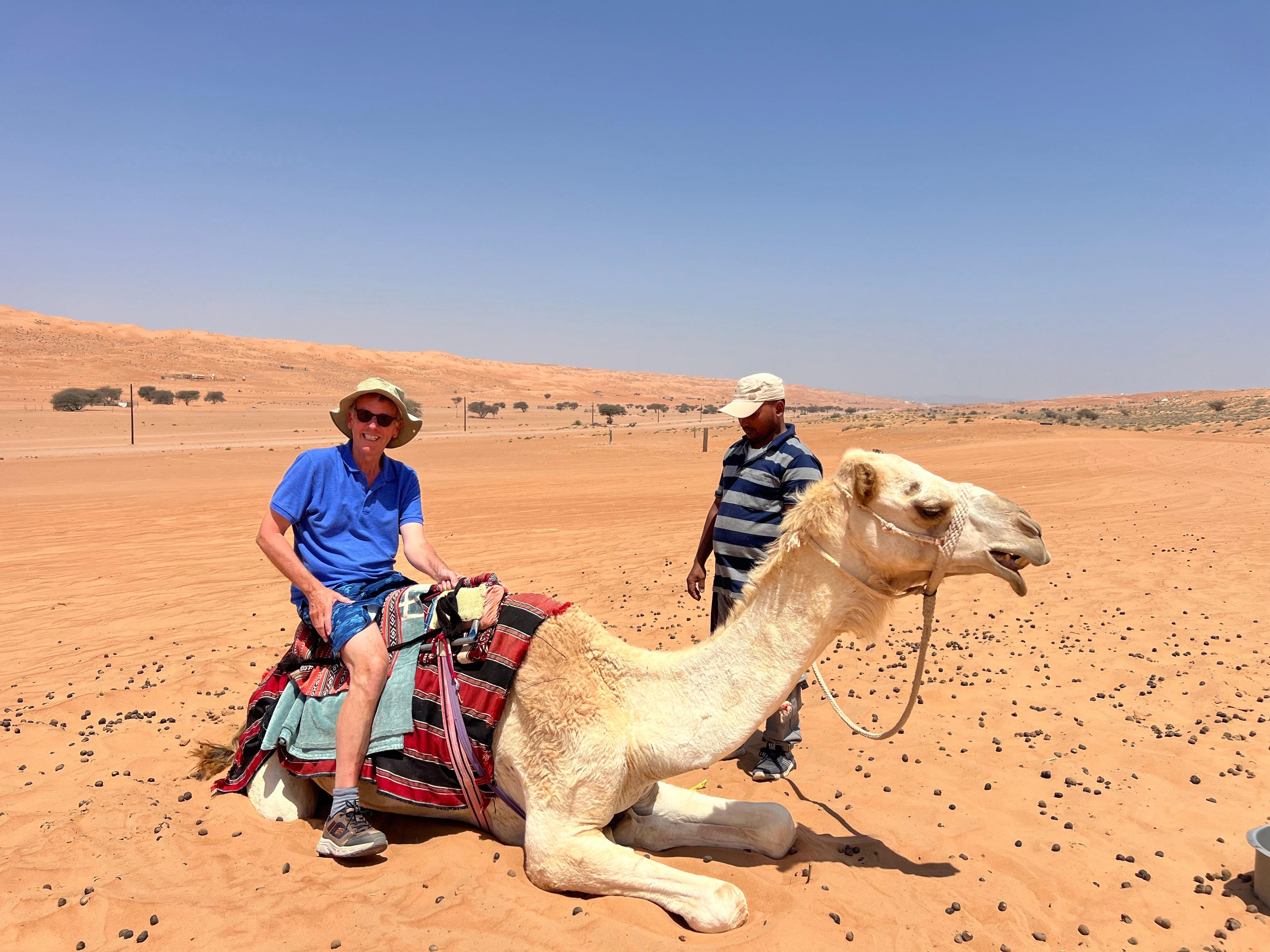
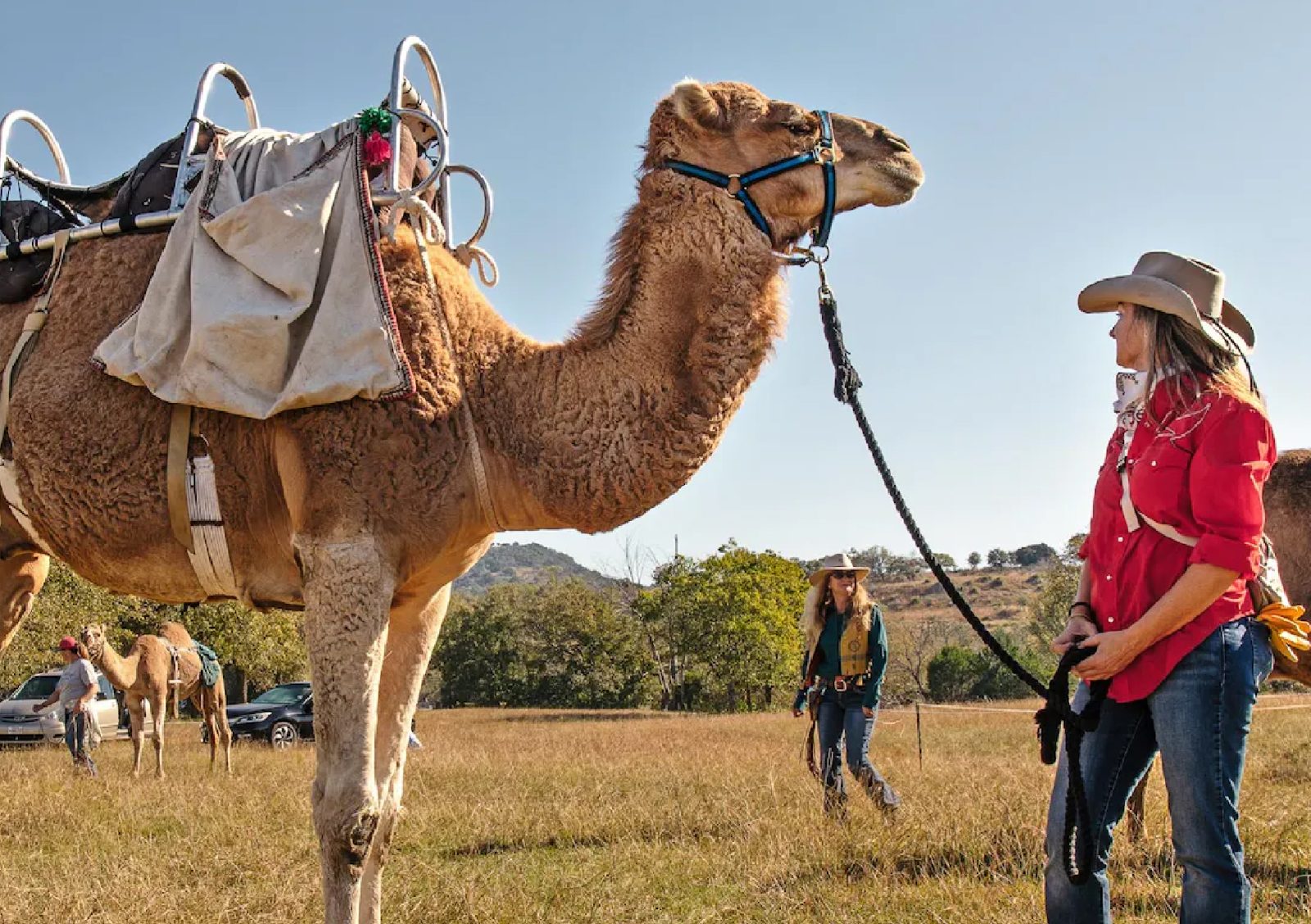
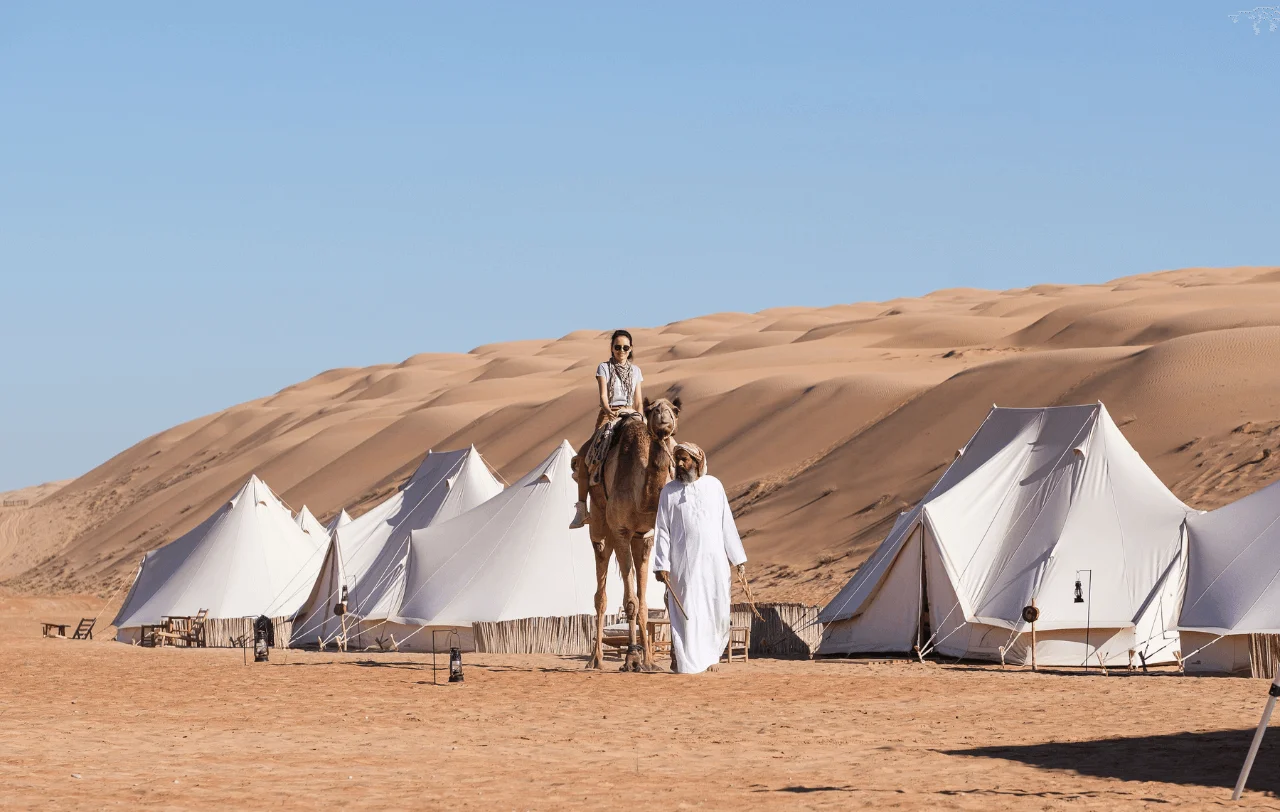
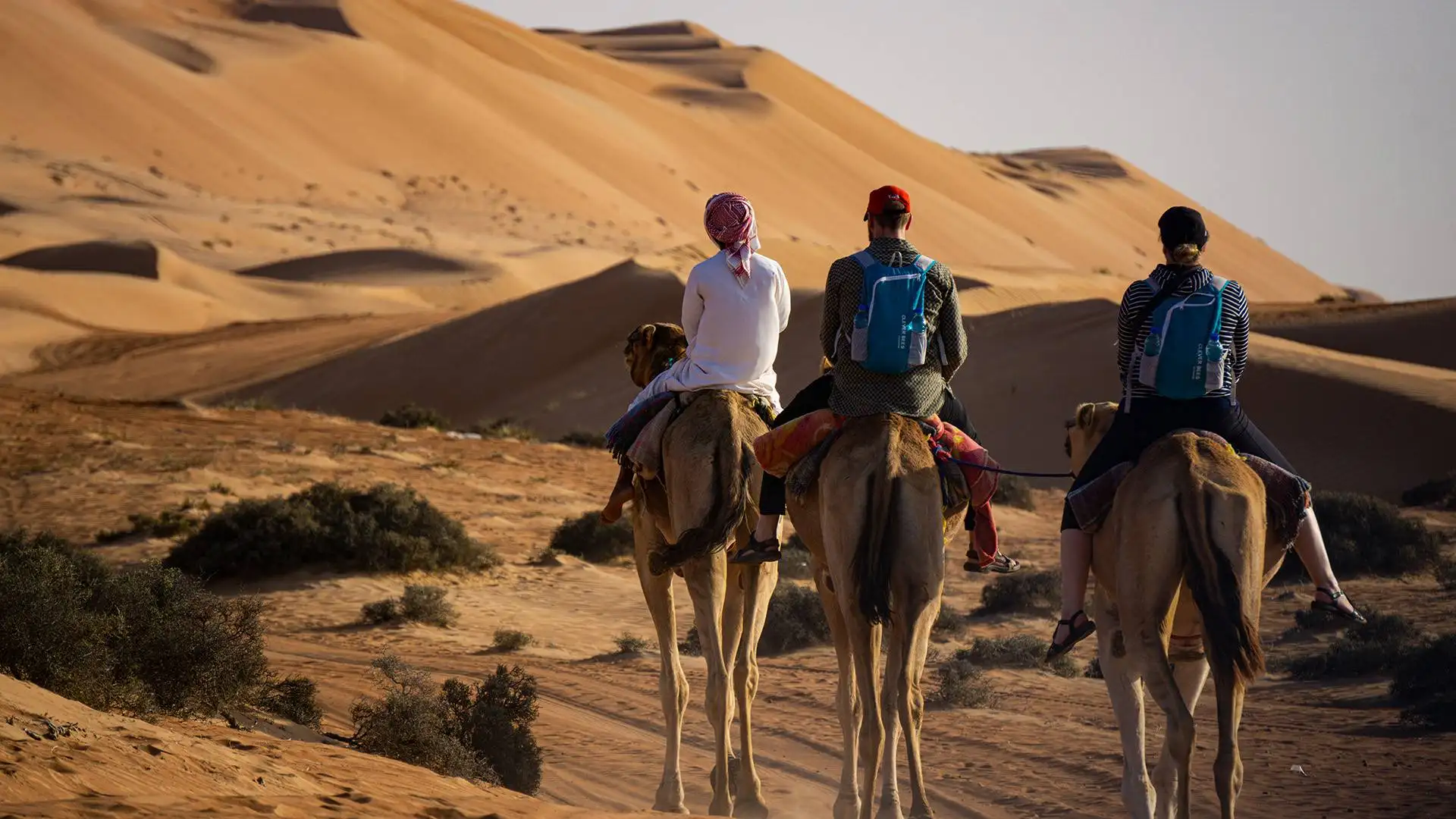
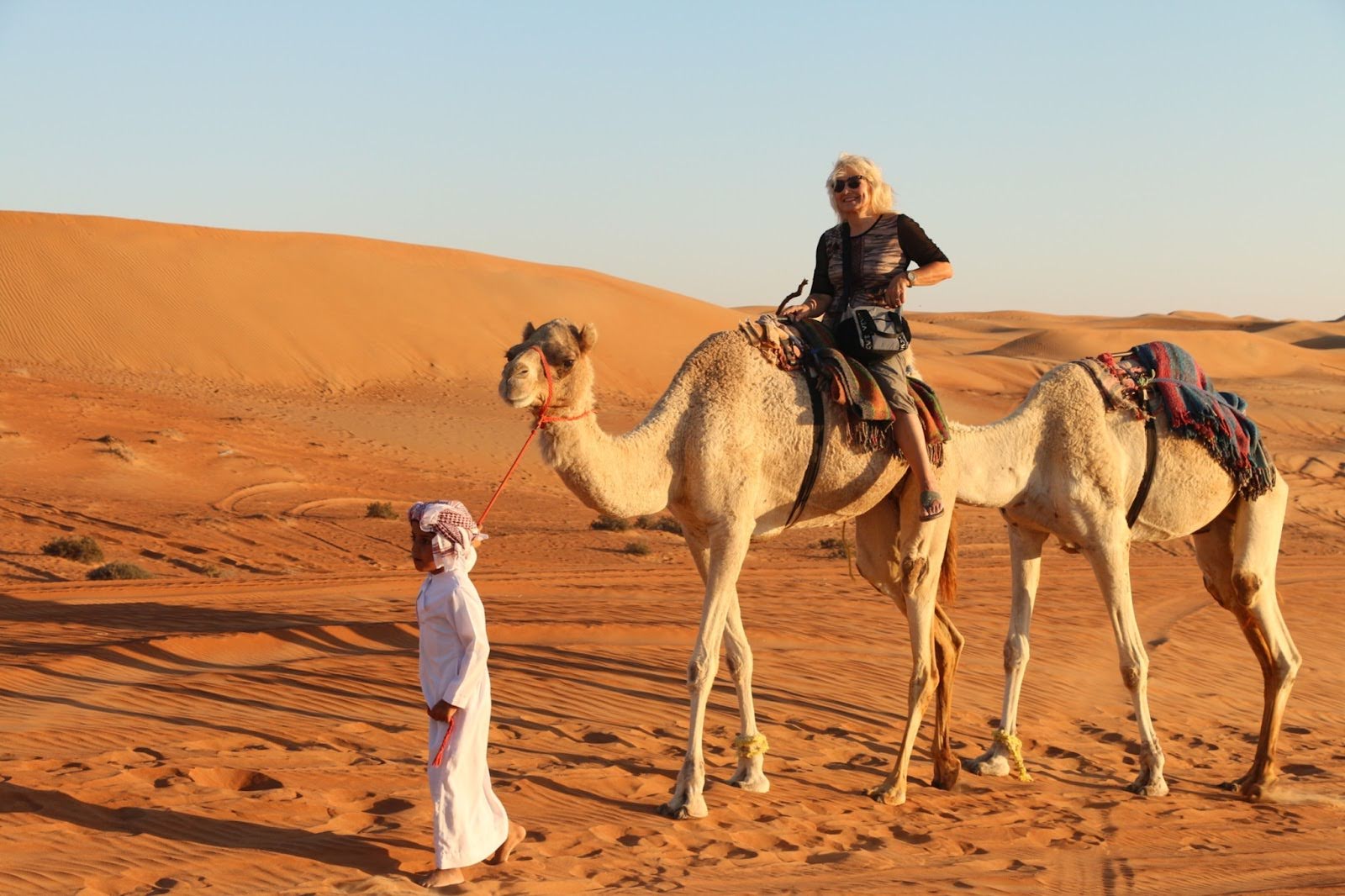
You arrive at the edge of Wahiba Sands before sunrise, when the dunes are violet and the air still holds night's coolness. Your guide introduces a dromedary—six feet tall at the shoulder, calmly chewing cud—and shows you the double-saddle grip as the animal folds its legs to let you mount.

Read more Show less

The camel rises in two lurching stages, front then back, and you start east into the dune field.

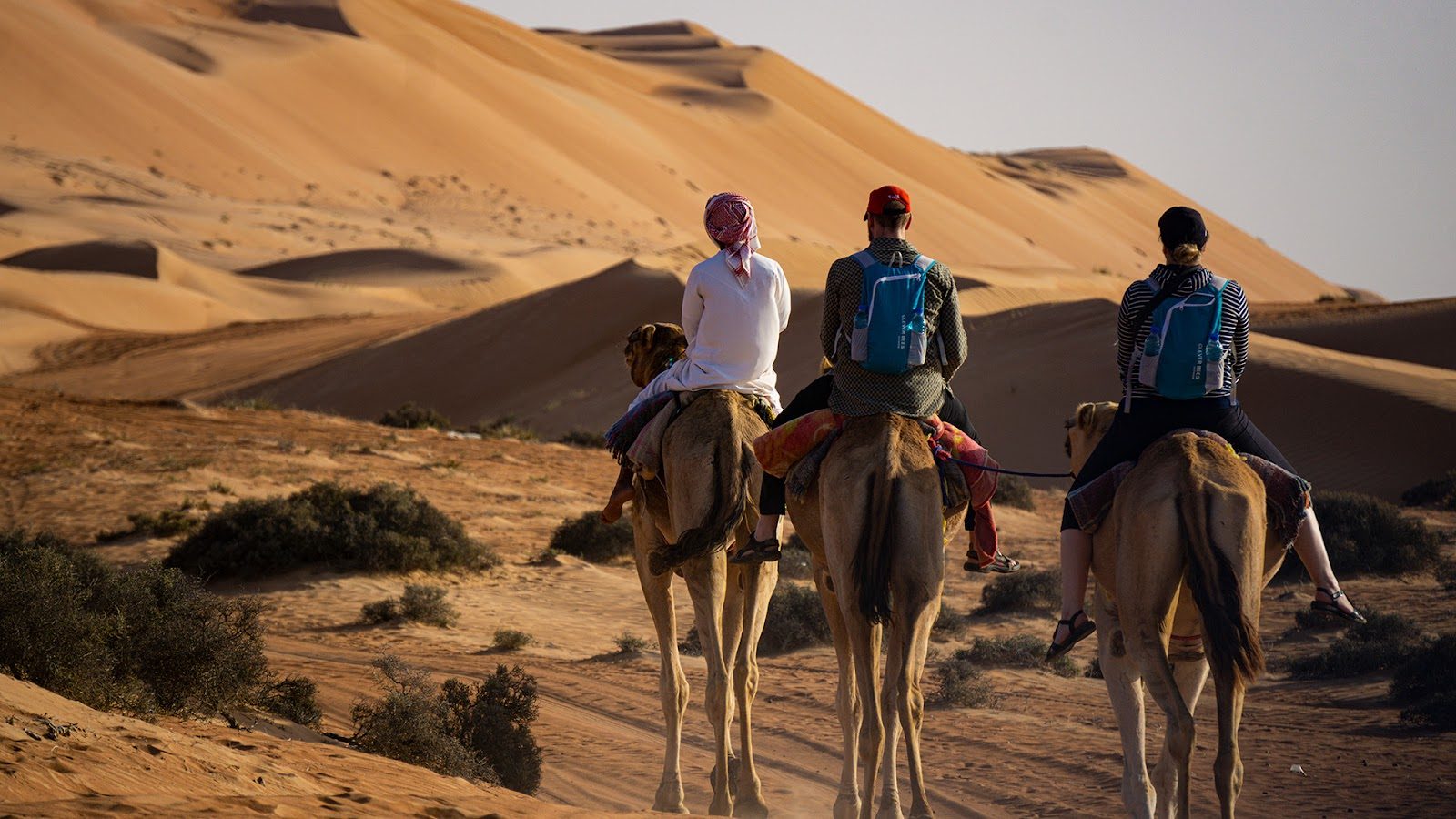
The first hour follows a gully between ridges, sand compressed enough for steady footing. You pass acacia trees twisted low by wind, their roots reaching 30 metres down for moisture. The guide points to oryx tracks—paired crescents pressed deep—and explains how the animals navigate by stars. At the crest of a longitudinal dune, you pause: the view extends 20 kilometres, nothing but amber waves and the jagged line of the Hajar Mountains to the west.

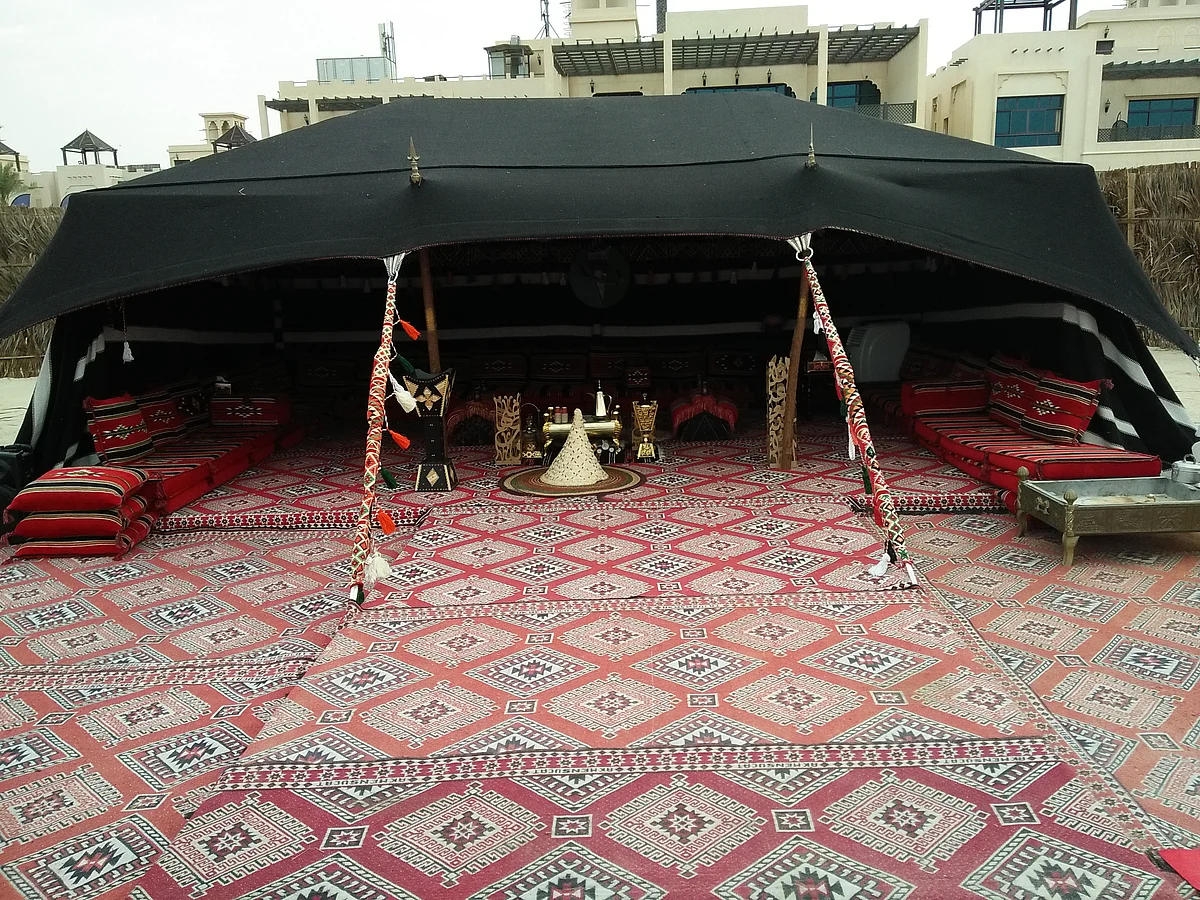
You descend the slip face, the camel planting each foot deliberately as sand cascades around its ankles. By mid-morning, you reach a Bedouin camp—low goat-hair tents, a fire pit, coffee pots arranged on woven rugs. You dismount and sit in the shade while your guide brews qahwa, cardamom-scented and served in thimble cups. The silence is absolute except for wind and the occasional bleat of a grazing goat.

After the rest, you ride west toward Wadi Bani Khalid, trading dunes for rocky flats and the sudden green shock of date palms marking the canyon's entrance.

Camel Safari Oman
Everything You Need to Know

Your complete Camel Safari Oman guide

All the details about your upcoming adventure in one place

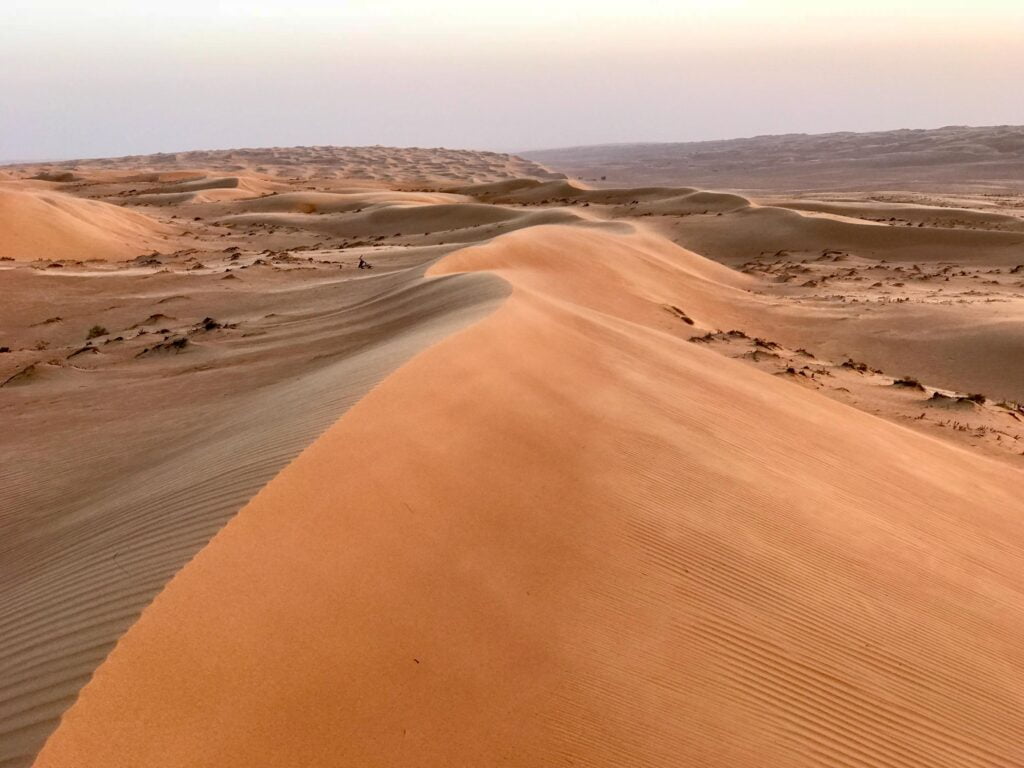
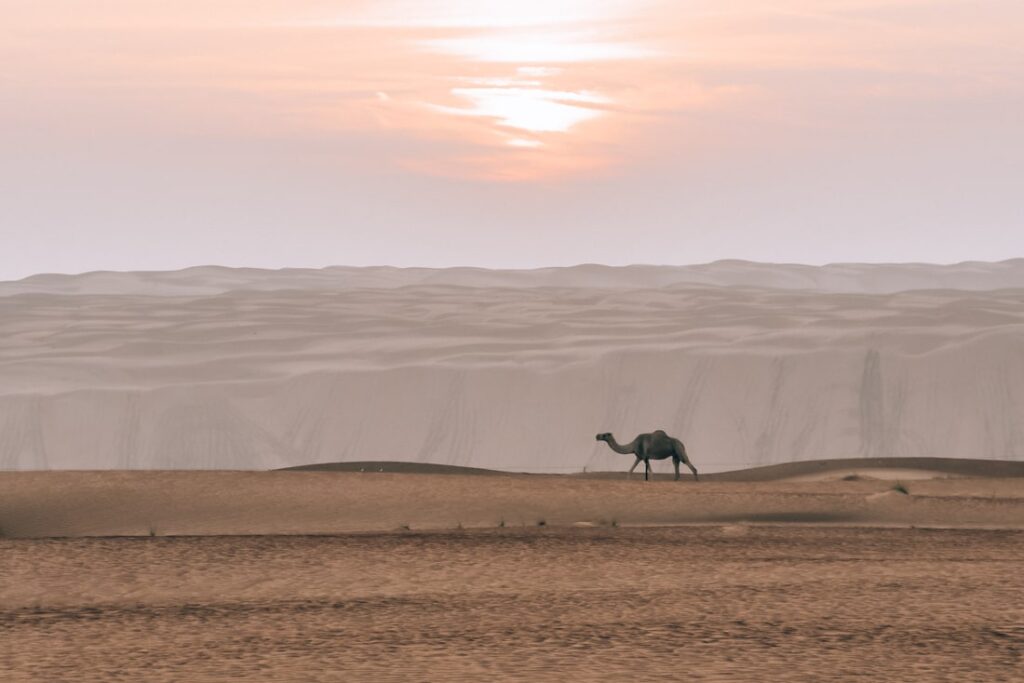
Wahiba Sands stretches 180 kilometres north to south across Oman's Sharqiyah Region, a sea of amber dunes rising to 100 metres that shift direction with the shamal winds.

The desert takes its name from the Wahiba tribe, Bedouin herders who have navigated these sands for centuries using camel caravans as the only reliable transport across terrain that swallows wheeled vehicles. In 1986, a Royal Geographical Society expedition spent eight weeks mapping the region's biodiversity and found 16,000 invertebrate species, 200 plant varieties, and seasonal watercourses that carve through the dune fields during the khareef rains. The study confirmed what nomadic families had long known: Wahiba is not barren but a living system where oryx, sand cats, and Egyptian vultures track water beneath the surface.

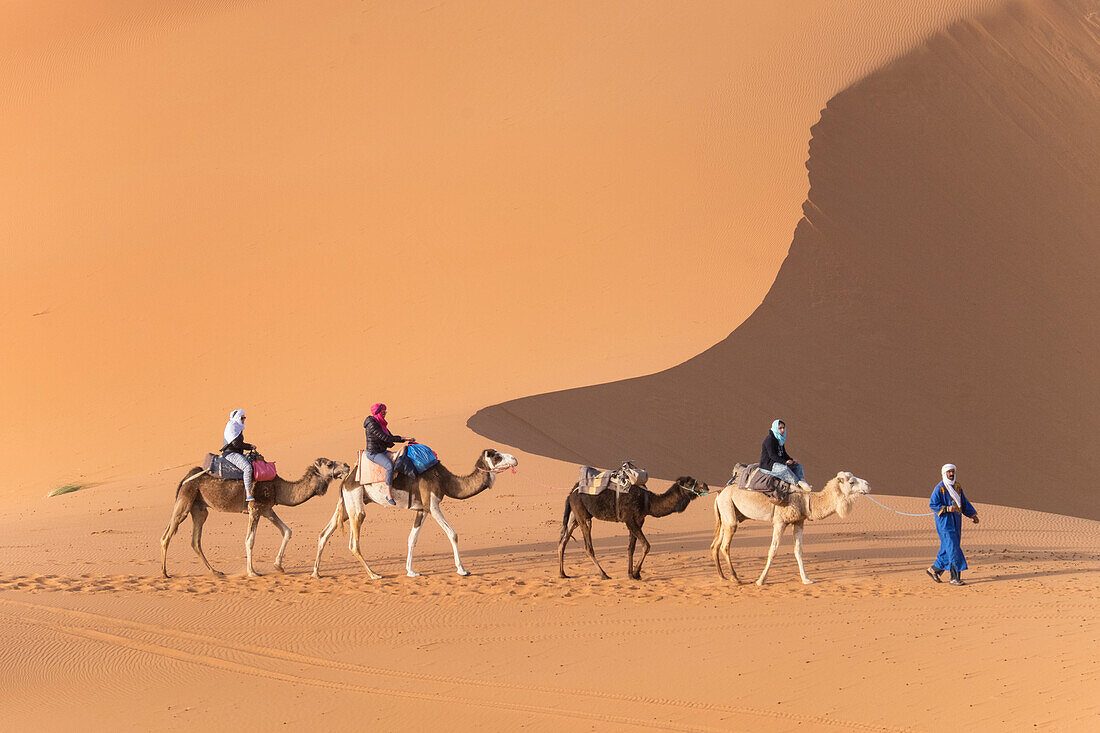
Today, a camel safari oman expedition follows those same Bedouin routes, departing from camps along the eastern edge where asphalt ends and sand begins. Dromedaries bred for desert endurance carry riders at dawn and dusk, the only hours when surface temperatures drop below 35°C. Guides from the Al Wahiba lineage navigate by dune crests and fossilized riverbeds, pausing at acacia groves where wild hares shelter and at the ruins of 17th-century watering posts marked by stacked stones. The rides connect to Wadi Bani Khalid, a canyon oasis 40 kilometres west where limestone pools hold year-round water fed by underground aquifers. This pairing of sand and wadi defines the Sharqiya desert tour: dunes at sunrise, canyon shade by midday, return to camp as the Milky Way illuminates the sand.

The landscape earned UNESCO consideration in 2018 for its geomorphological significance—dunes here form longitudinal ridges aligned southwest to northeast, shaped by opposing monsoon and continental winds. Bedouin camps now offer guided treks ranging from two-hour loops to overnight crossings that end at Mudayrib Village, a settlement of 400 on the desert's northern fringe. Riders cross star dunes, barchan crescents, and flat interdune corridors called gassi, terrain that changes weekly as wind redistributes millions of tons of silica. The camel remains the most stable platform: its splayed feet distribute weight across sand, and its metabolism extracts water from thornbush fodder that would kill a horse. For visitors, the experience is tactile—leather saddles creak, sand hisses down dune faces, and the horizon holds nothing but oxidized quartz grains and sky.
Wahiba is not barren but a living system where oryx, sand cats, and Egyptian vultures track water beneath the surface.

Dress code

Wear loose, breathable clothing that covers shoulders and knees to respect local Omani culture and protect against sun. A light scarf is useful for dust protection during your camel safari oman.

Bags & security

Travel light with a soft-sided daypack for your camel safari oman. No secure lockers exist in the desert, so keep valuables on your person.

Photography

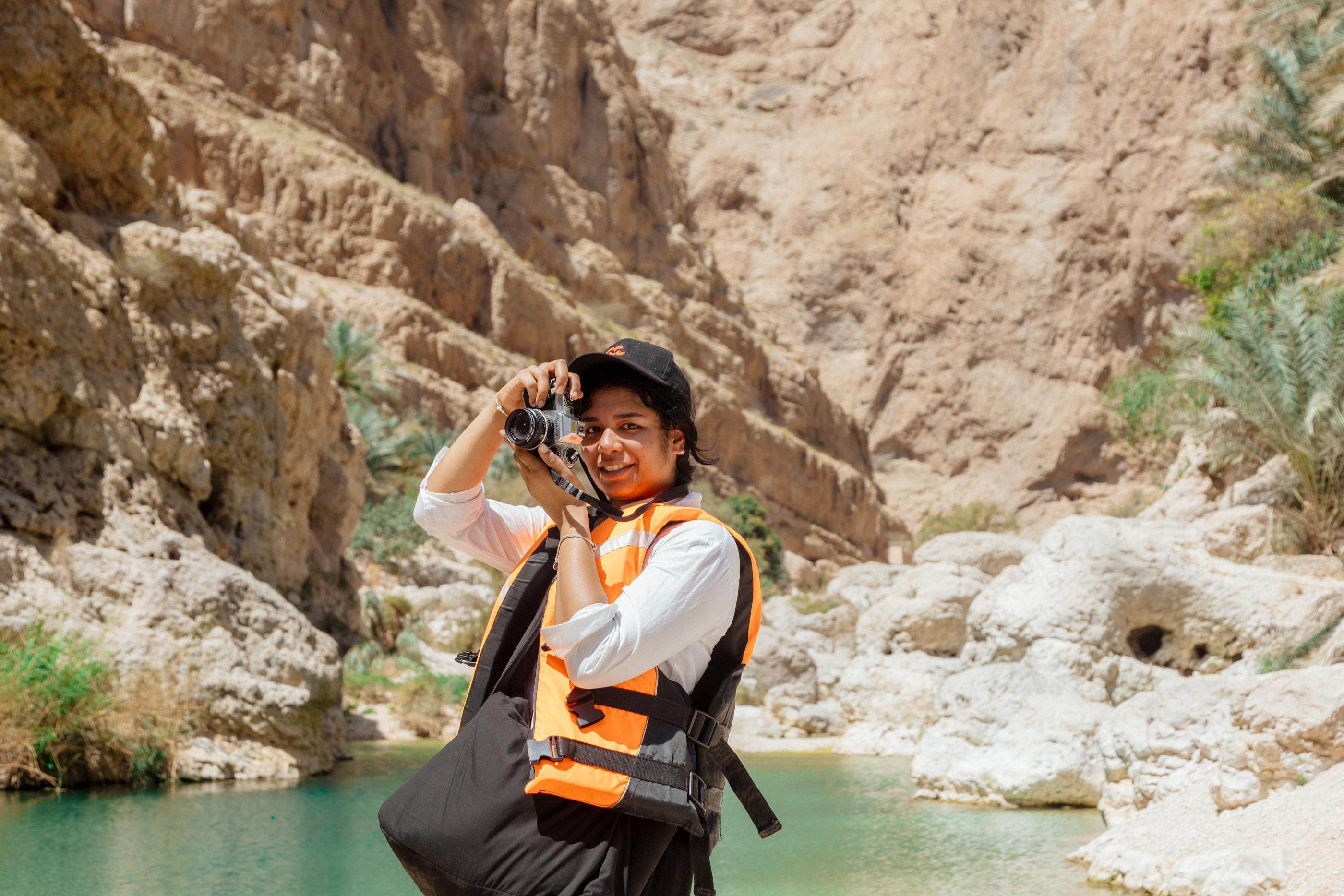
Photography is permitted; however, always request permission before capturing images of local people. Drones may require specific Omani aviation authority permits for a camel safari oman.

Families & strollers

Families are welcome, though children should be supervised constantly near camels and during dune activities. Ensure young travelers remain hydrated throughout the camel safari oman.

Accessibility

The desert landscape features soft dunes and uneven terrain unsuitable for standard wheelchairs. Specialized desert transport is necessary for a comfortable camel safari oman experience.

Food & drink

Most operators include traditional Omani coffee and dates or full meals. Carry sufficient bottled water to remain hydrated in the arid Wahiba Sands climate.

Not allowed

× Alcohol × Drones without permits × Litter × Illegal substances × Amplified music × Firearms × Excessive heavy luggage × Off-road racing gear

What to bring

✓ Sunscreen ✓ Sunglasses ✓ Wide-brimmed hat ✓ Closed-toe shoes ✓ Refillable water bottle ✓ Personal medication ✓ Light jacket for evenings

Opening hours

Mon 00:00 – 23:59
Tue 00:00 – 23:59
Wed 00:00 – 23:59
Thu 00:00 – 23:59
Fri 00:00 – 23:59
Sat 00:00 – 23:59
Sun 00:00 – 23:59

How to get there

At a glance

Opening Hours

00:00–23:59

Address

Wahiba Sands (Sharqiya Sands), Sharqiyah Region, Oman

Accessibility

Desert terrain requires specialized 4x4 transport

Best arrival window

06:00–10:00

Storage

Not available at desert gates

Entrance fee

0 OMR

Getting there

Car · 3 hours from Muscat · Fuel costs vary

Follow Route 23 to Bidiyah, then transfer to 4x4 vehicles.

Taxi · 3.5 hours · Varies by negotiation

Hire private 4x4 taxis from major cities for direct access.

Cancellation policy

Cancellations must be made according to the specific operator terms provided at booking. As there is a 0 OMR entrance fee for Wahiba Sands, refund policies only apply to service-based components of your camel safari oman tour.

Plan your time

Optimal Timing and Duration for a Camel Safari Oman

Recommended time

2-3 hours

A camel safari oman excursion in Wahiba Sands typically runs 2-3 hours, enough time for the trek out, time among the dunes, and the return. Arriving within the 06:00-10:00 window matters here: temperatures climb fast once the sun is up, and camels plus riders tire quickly in direct heat, so a later start often means cutting the ride short. Add 30-45 minutes if your desert camel trekking tour pairs with a sunset viewpoint stop or photo break at the dunes. There's no ticket queue to worry about since entry is free, but camel saddling and group assembly can add a short wait before departure.

Crowd levels through the day

Early morning (06:00-08:00) Light
Mid-morning (08:00-10:00) Moderate
Midday (10:00-14:00) Light (heat-driven drop-off)
Afternoon (14:00-16:00) Building
Late afternoon (16:00-18:00) Busy
Evening (18:00-20:00) Moderate
Plan ahead

Best time to visit Camel Safari Oman

Weather · crowds · average price — dots go green to amber to red as each metric rises.

Autumn

September brings milder temperatures compared to summer, making it ideal for camel safari oman tours.

Winter

December to February offers the coolest, most comfortable climate for extended desert exploration.

Spring

March and April remain pleasant before the intense heat of summer arrives.

Summer

Extreme temperatures make daytime travel difficult, so night safaris are preferred.

Insider tips

Helpful tips for visiting Camel Safari Oman

Book Early

Reserve your camel safari oman tour during peak winter months to ensure availability. Weekends are busier with local visitors.

Sun Protection

Even in autumn, the sun is intense, so use high-SPF sunscreen. Cover exposed skin during midday hours.

Stay Hydrated

Carry more water than you expect to drink. Humidity is low, which can mask fluid loss during a camel safari oman.

Listen to Guides

Bedouin guides have intimate knowledge of the dunes. Their instructions are vital for safety during a camel safari oman tour.

Respect Traditions

Oman is a conservative country; modest dress shows respect. This enhances interactions during your visit.

Where to meet

Camel Safari Oman meeting points

Bidiyah Village

Bidiyah Village

Main road access

Convenient start for camel safari oman tickets holders

Get directions
The story

The history of Camel Safari Oman

The Wahiba Sands—known historically as Ramlat al-Wahiba—has served nomadic Bedouin tribes as a migration corridor for over two thousand years, long before modern tourism transformed the dune fields into a destination for camel safari Oman experiences. Archaeological surveys in the 1980s uncovered Stone Age tools and pottery fragments near seasonal water sources, confirming human presence dating to the third millennium BCE. The Al-Wahiba tribe, for whom the region is named, maintained grazing routes and date-palm oases through centuries of trade between the coast and interior settlements, relying on camels as the sole transport across the shifting sand sea. Formal study began in 1986 when the Royal Geographical Society conducted a comprehensive scientific expedition mapping the dune ecology, groundwater systems, and Bedouin livelihood patterns. The eighteen-month survey documented over 150 plant species, sixteen mammal species, and the intricate social structures of resident families who had never encountered mechanized vehicles. That research laid the groundwork for sustainable tourism development in the 1990s, when Omani authorities began permitting small-scale desert camps under strict environmental guidelines. Early camel safari oman tours operated from family-run encampments with fewer than ten guests per season, preserving traditional navigation methods and oral histories passed through generations. By the mid-2000s, paved road access to the eastern edge accelerated visitor numbers, prompting the government to designate buffer zones and enforce waste-management protocols. The 2011 renaming to Sharqiya Sands by royal decree honored the broader Sharqiyah governorate while retaining Wahiba as the colloquial reference. Today, licensed operators blend heritage practices—star navigation, hand-woven saddlebags, date harvests—with modern logistics, maintaining a fragile equilibrium between cultural preservation and economic necessity. The dunes remain free-access public land, yet camel safari oman tickets now support conservation funds that protect endemic flora and fund water infrastructure for the remaining Bedouin households who choose nomadic life over urban migration.

3rd mill. BCE

Stone Age populations inhabit oases near present-day dune margins, leaving flint tools and ceramic shards.

7th–15th c.

Al-Wahiba tribe establishes migration routes, trading frankincense and dates between coastal ports and interior towns.

1986–1987

Royal Geographical Society expedition maps ecology and Bedouin culture across 12,500 square kilometers of dunes.

1994

First government-licensed desert camps open, offering guided camel treks under environmental oversight.

2006

Paved Sultan Qaboos Highway extension reaches the eastern boundary, reducing travel time from Muscat to under three hours.

2011

Official renaming to Sharqiya Sands by royal decree; Wahiba remains in common usage and tourism branding.

2019

Conservation fund established, channeling tour fees toward habitat restoration and Bedouin livelihood programs.

2024–present

Operators integrate solar power and GPS safety systems while maintaining traditional navigation training for guides.

Photo spots

Top Photography Locations for Your Camel Safari Oman

High Dune Crest

High Dune Crest

Best light · Golden hour

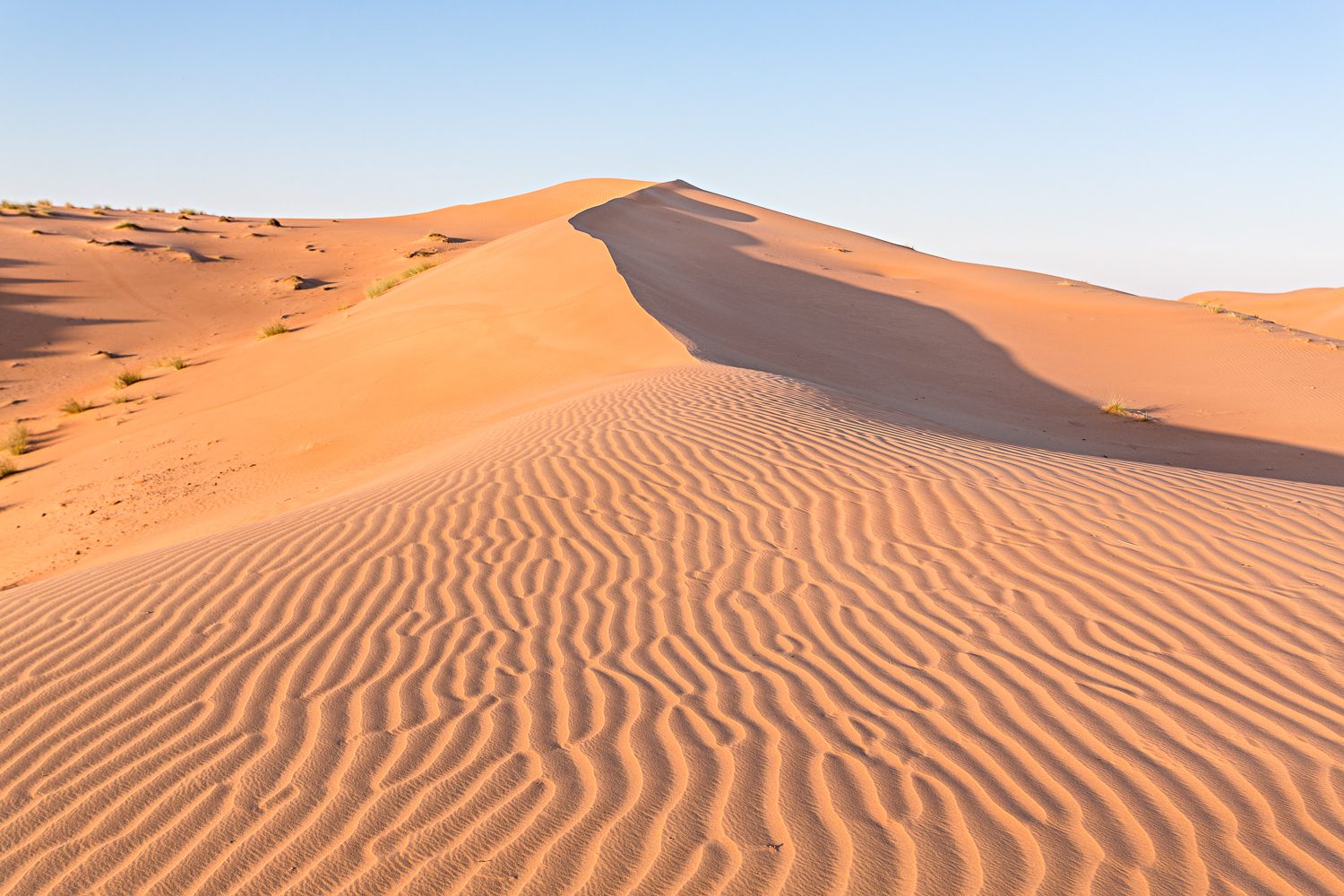
Position yourself at the highest ridge for panoramic views of the golden landscape. This vantage point provides an expansive backdrop for a camel safari oman captured at the horizon line.

Bedouin Camp Periphery

Bedouin Camp Periphery

Best light · Before 09:00

Frame your shot near the edge of a traditional settlement to incorporate tent textures and desert flora. This spot highlights the cultural authenticity often sought in camel safari oman tours.

Sand Ripple Corridor

Sand Ripple Corridor

Best light · Early morning

Locate the wind-swept patterns between massive dunes to add leading lines to your composition. These natural formations are ideal for minimalist photography during your camel safari oman tour.

Dune Shadow Basin

Dune Shadow Basin

Best light · Golden hour

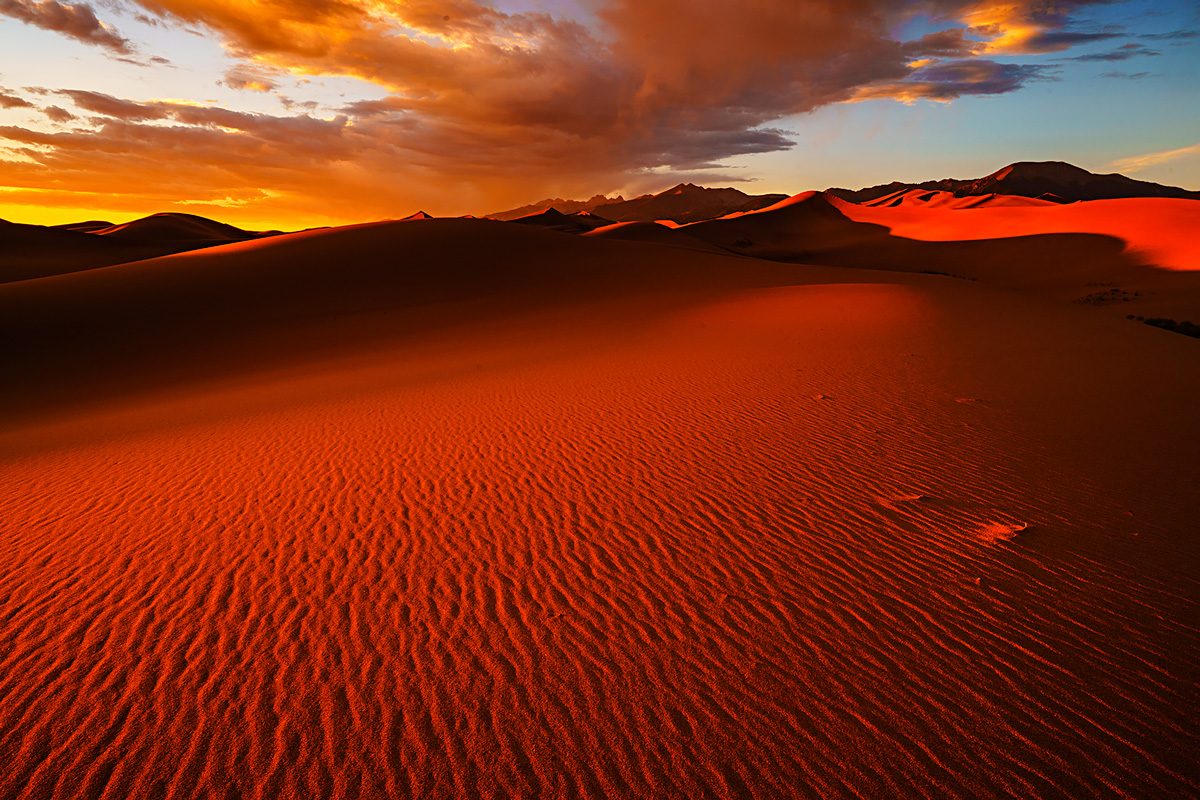
Look for the deep orange-to-purple transitions created by low sun angles on the leeward side of the dunes. Photographers often secure camel safari oman tickets to gain access to these isolated areas.

Gallery

Moments from Camel Safari Oman

With kids

Family Logistics for a Camel Safari Oman

Exploring the desert landscape via a camel safari oman offers families a unique way to experience the dunes at a gentle pace. Preparing for the shifting sands and arid climate ensures a comfortable experience for travelers of all ages.

Heat Management

The desert sun is intense, so prioritize booking camel safari oman tours during the recommended 06:00–10:00 window to keep children cool. Ensure everyone wears lightweight, breathable clothing and high-SPF sunscreen to guard against prolonged exposure.;Physical Readiness

FAQ

Camel Safari Oman — frequently asked questions

Everything you need to know for your journey

Around the corner

More to see near Camel Safari Oman

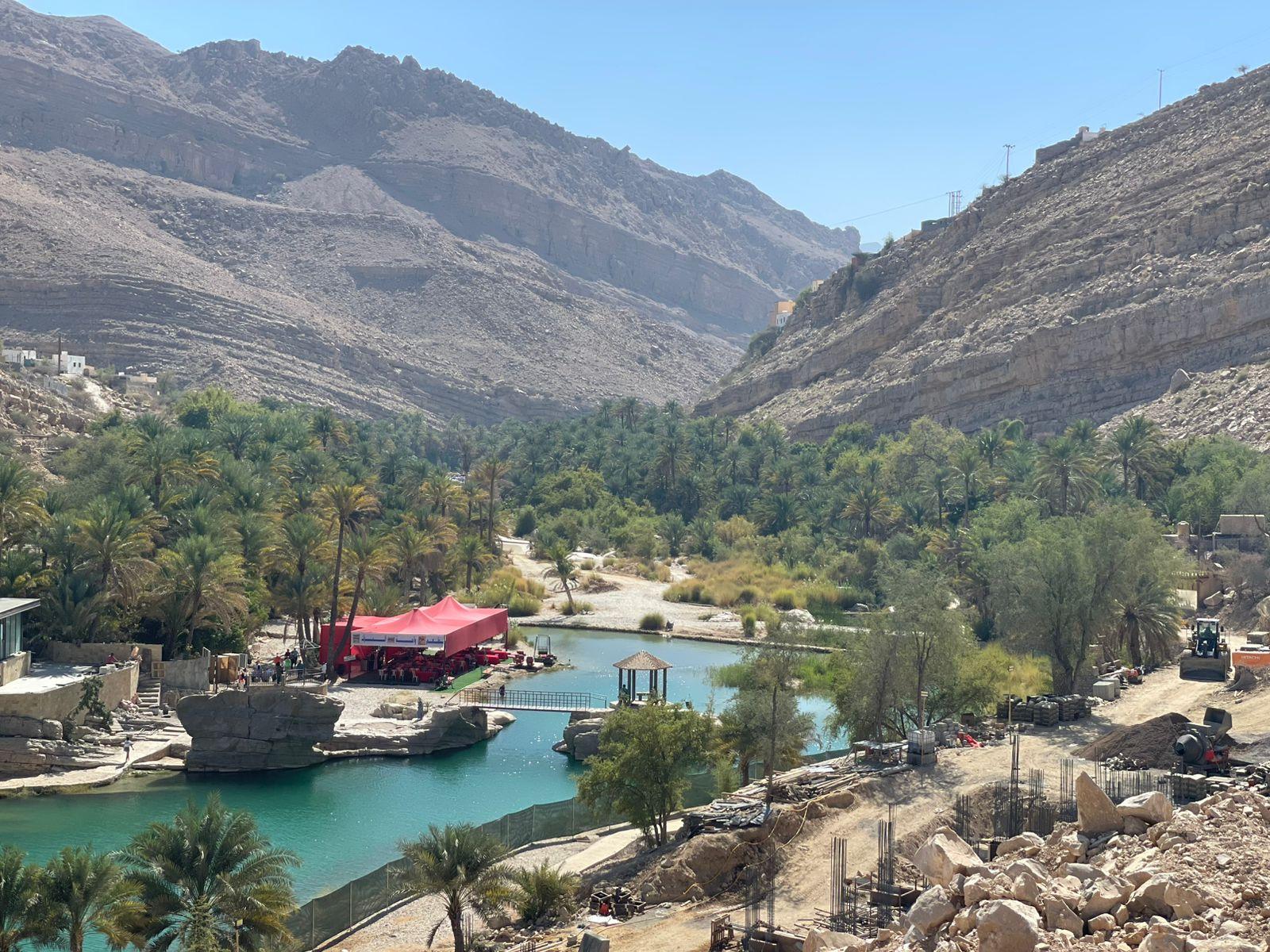
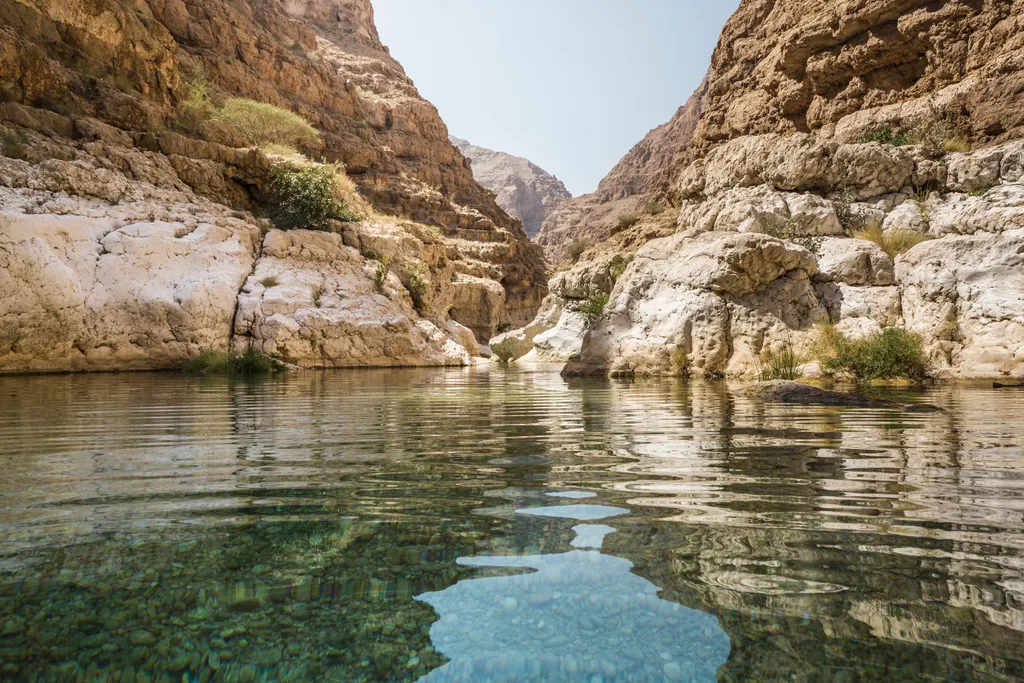
Wadi Bani Khalid

Wadi Bani Khalid

1 hour

landmark

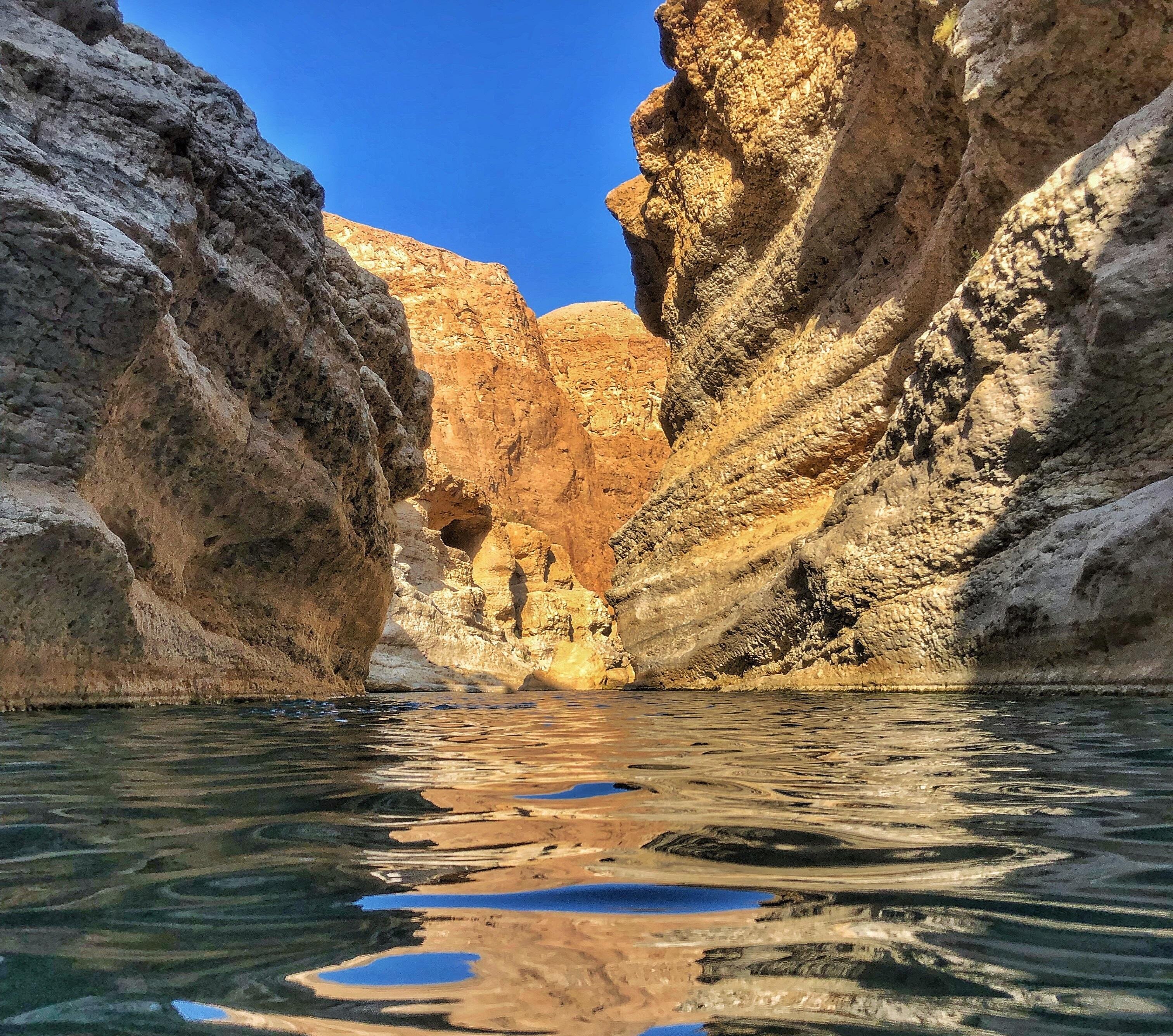
Natural oasis with emerald pools and caves.

Al Wasil Village

Al Wasil Village

20 min

landmark

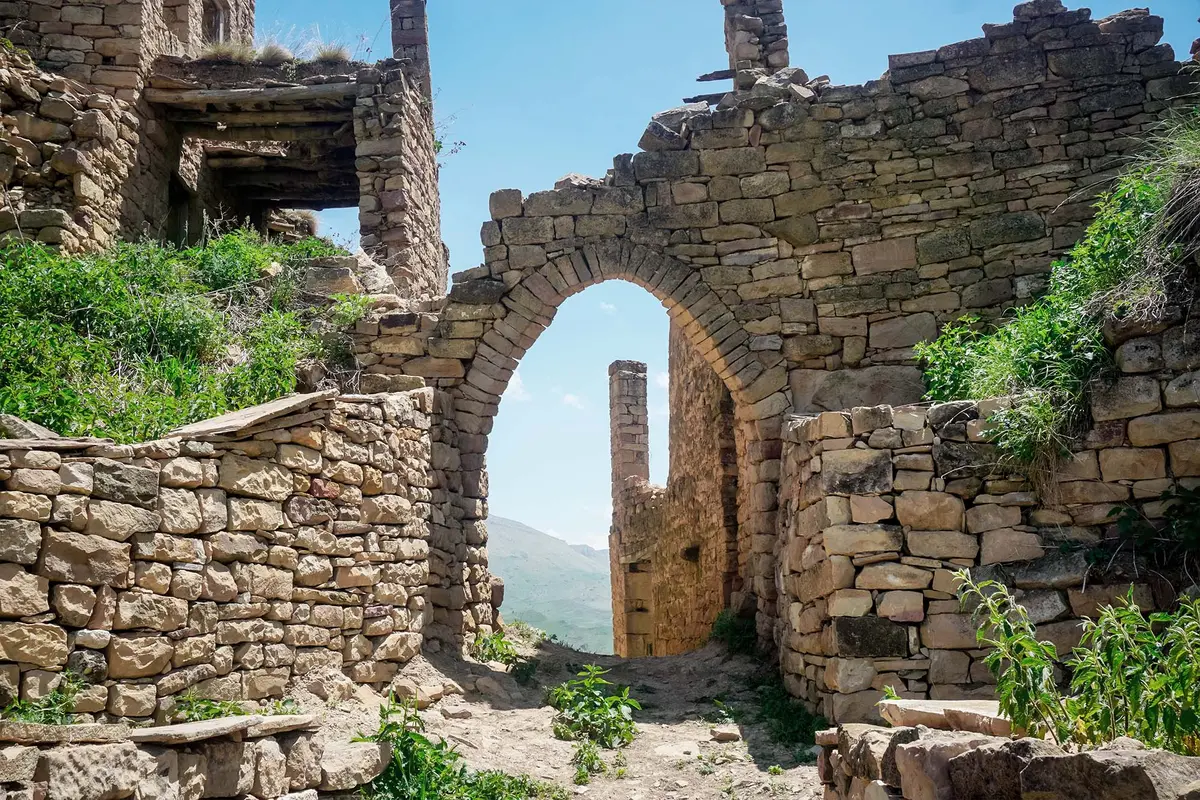
Historic settlement showing traditional desert architecture.

Bidiyah Market

Bidiyah Market

15 min

landmark

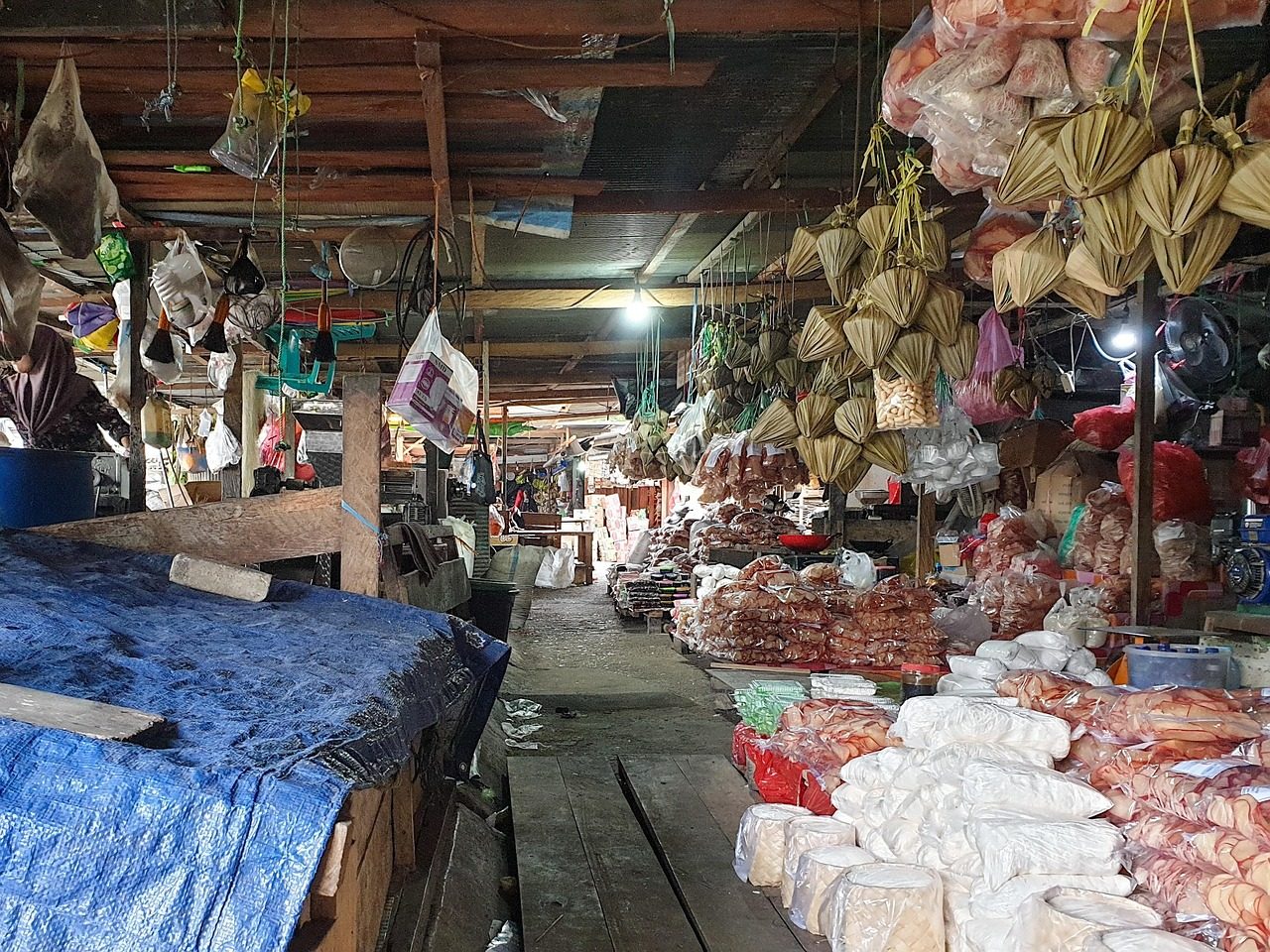
Local market for authentic Omani handicrafts and goods.

Where to stay

Where to stay near Camel Safari Oman

Desert Nights Camp

N/A

luxury

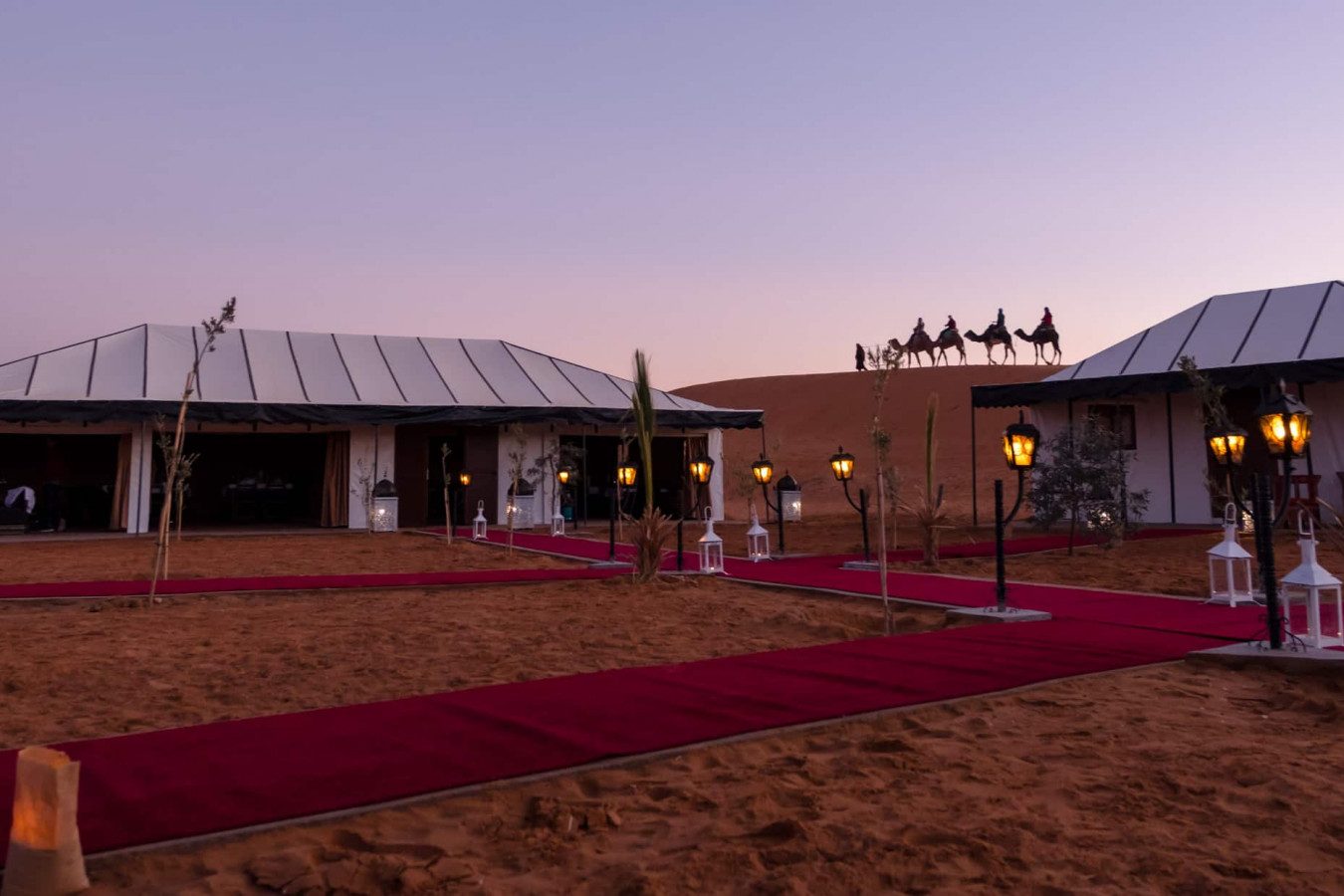
High-end tents in the heart of the dunes.

Ready for Adventure?

Join thousands of happy travelers who have discovered this incredible experience

Book Your Experience Now